
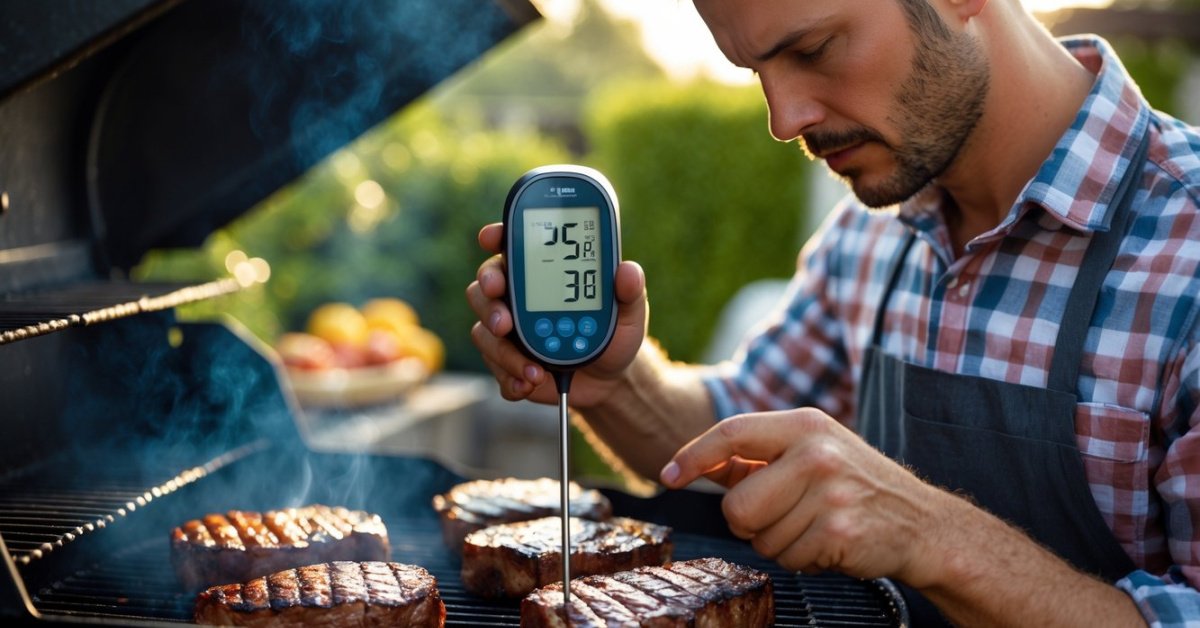
Nothing beats the sizzle of sausages on a hot grill, but getting them just right can be tricky. I’ve had my fair share of sausages that looked perfect on the outside but turned out undercooked or dry inside. That’s where a thermometer comes in handy.
Using a thermometer takes the guesswork out of grilling and helps me serve sausages that are juicy, flavorful, and safe to eat every time. It’s a simple tool, but it makes a huge difference in the final result. If you’re ready to step up your grilling game, I’ll show you how easy it is to use a thermometer for perfect sausages.
Why Temperature Matters When Grilling Sausages
Precise temperature control guarantees sausage safety on the grill. Pork, chicken, and mixed meat sausages always reach a safe internal temperature of 160°F or higher, according to USDA guidelines, if I rely on a good grilling thermometer.
Even cooking keeps sausage texture and juiciness consistent. If I grill sausages over high heat without checking the internal temperature, the outside browns before the center cooks through, which leads to dry sausage with raw spots inside. With a thermometer, I pull sausages at the right moment so they stay juicy and cook evenly from end to end.
Taste and food safety always go hand in hand for sausage lovers. Undercooked sausages risk foodborne illness from bacteria like Salmonella, which spoils any bbq gathering. Accurate temperature readings remove that risk, giving me confidence to serve guests flavorful, perfectly done sausages every time.
Flavor retention matters more with premium sausages. When I grill artisan or specialty sausages with unique seasoning blends, precise temperatures help retain their original flavors and avoid bitterness caused by overheating. Reliable thermometers let those signature flavors shine at backyard cookouts.
Types of Thermometers for Grilling Sausages
Choosing the right thermometer means every sausage comes out both safe and juicy. Over years at my Texas food cart and in my backyard, I’ve put every type through its paces.
Instant-Read Thermometers
Instant-read thermometers give me quick, accurate sausage temperature checks. I insert the probe into the thickest part of the sausage, keeping the tip away from the casing, and get a digital reading in 3–5 seconds. This type includes compact models like the ThermoWorks Thermapen ONE, which shows temps from 32°F–572°F. I use instant-read models when testing several sausages back-to-back or when grilling smaller batches because they let me check doneness and pull them off at exactly 160°F. Handheld instant-read styles make them easy to use one-handed—a must for flipping sausages on a crowded grill.
Leave-In Probe Thermometers
Leave-in probe thermometers monitor sausage temps during the whole cook. These thermometers feature heat-resistant cords that connect the probe inside the sausage to a display sitting outside the grill. Brands like MEATER and ThermoPro offer wireless and Bluetooth options that send alerts to my phone at target temps, typically 160°F per USDA guidance for pork or chicken sausages. I use leave-in probes for big BBQ events, like when making 20+ links at once, since I can track several sausages without lifting the grill lid. This type protects against overcooking and lets me stay hands-off while ensuring every link is evenly done.
Step-By-Step Guide: How to Use a Thermometer for Grilling Sausages
I always lean on a reliable thermometer when I want a juicy, flavorful sausage. Grilling gets easier when I follow a simple, step-by-step process for monitoring temperature.
Preparing the Sausages and Grill
I start by preheating the grill to medium heat, usually aiming for about 350°F. I use direct heat for browning the sausages, then move them to indirect heat to finish cooking without burning the casings. Before grilling, I pat each sausage dry with a paper towel, which helps create an even sear and avoids flare-ups. For thicker sausage links like bratwursts, I prick each a couple of times with a fork to prevent splitting and uneven cooking.
Proper Placement of the Thermometer
I always insert the thermometer into the center of the thickest part of the sausage. For accurate readings, I avoid touching the grill grates or piercing completely through the sausage. When using an instant-read thermometer, I remove a sausage from the heat briefly and insert it from the end. When using a leave-in probe, I gently slide it into the center before placing the sausage on the grill, taking care not to lose juices through the entry point.
Checking for Doneness
I check for doneness when the thermometer reads at least 160°F for pork or beef sausages and 165°F for poultry sausages, according to USDA food safety guidelines. I check several sausages if I’m grilling a bigger batch to ensure even results. After confirming the correct temperature, I let the sausages rest for a couple of minutes before serving to help the juices settle inside.
Tips for Perfectly Grilled Sausages
- Sausage selection matters
I choose sausages with natural casings, such as fresh bratwurst or Italian sausage, because these casings snap when fully cooked and seal in juices better than skinless or pre-cooked sausages.
- Room temp for even cooking
I let sausages rest at room temperature for 10–15 minutes before grilling, since this prevents sudden shrinking, splitting, and helps maintain juiciness as heat is distributed more evenly.
- Manage grill zones for control
I set up two grill zones—direct heat for caramelizing sausage exteriors, then indirect heat for gently reaching the target internal temperature—so the sausages brown without burning and cook through consistently.
- Use thermometers strategically
I rely on an instant-read thermometer for smaller batches, like when I’m testing a new jalapeño-cheddar mix, inserting it into the center and avoiding the grill grates for an accurate reading every time.
- Check temps early
I start checking internal temperatures when sausages look browned and slightly firm, not just when grill marks appear, so I know if slow-cooked pork and beef sausages have safely reached 160°F or if chicken links have hit 165°F.
- Flip sausages for even browning
I use tongs to turn sausages every few minutes, so the casings brown uniformly and excess fat drips away.
- Resting improves texture
I rest sausages for about 5 minutes after removing them from the grill, since resting redistributes juices and enhances the final bite.
- Keep grill lid closed
I keep the lid down after placing sausages over indirect heat, since this keeps the ambient temperature steady and speeds up even cooking without needing high heat.
- Avoid overcooking
I pull sausages off the grill right at their target temperature, because carryover heat—especially when cooking thicker links—will finish the job without leaving them dry.
- Monitor multiple sausages
I test different sausages from the batch, not just one, since sizes can vary and an accurate sample gives reliable doneness for the whole group.
Common Mistakes to Avoid
Skipping Calibration
I see a lot of folks trust new thermometers right out of the box. Calibrating each thermometer before hitting the grill ensures accuracy, since manufacturers sometimes ship devices with slight offsets.
Piercing Sausages Repeatedly
I avoid poking sausages multiple times with my thermometer, because each hole releases precious juices. I always pick the thickest link, probe it once, and read quickly.
Inserting Thermometer Incorrectly
Accurate internal temperature depends on correct thermometer placement. I push the probe into the center, avoiding grill grates or sausage casings, since that contact may result in false readings.
Ignoring Sausage Rest Time
After removing sausages from the grill, I rest them for 3–5 minutes. Skipping this step can cause juices to escape and dry out the meat when sliced.
Not Cleaning the Thermometer Between Uses
I clean my thermometer’s probe with alcohol wipes after each use. If I don’t, cross-contamination between raw and cooked sausages increases risk, especially when grilling for groups.
Judging Doneness by Color
Grilled sausages don’t always show doneness from outside color. I rely on a thermometer for final proof, since browning occurs faster than internal cooking, especially over direct heat.
Failing to Monitor All Sausages
I test temperatures in several links, not just one. Grills sometimes have hot spots, so one overcooked or undercooked sausage is easy if I skip this step.
Rushing Temperature Readings
I wait for my thermometer to stabilize before removing it from the sausage. Moving too fast causes inaccurate readings, especially with digital instant-read models.
Using Thermometers on Cold Sausages
I avoid inserting a thermometer into cold sausages before grilling, since that step doesn’t give any useful doneness data.
Not Replacing Batteries
I make a habit of checking thermometer batteries before every session. Weak batteries cause dim screens and unreliable readings during busy bbq events.
Each of these slip-ups—skipping calibration, misplacing probes, or trusting color—can throw off sausage safety and flavor, even with the best thermometer.
Conclusion
Grilling sausages doesn’t have to be a guessing game. Once I started using a thermometer, I noticed how much juicier and more flavorful my sausages turned out. It’s a small step that makes a huge difference for both taste and safety.
Now I can relax and enjoy the cookout, knowing every bite will be just right. If you haven’t tried grilling with a thermometer yet, give it a shot—you’ll be amazed at the results.


