
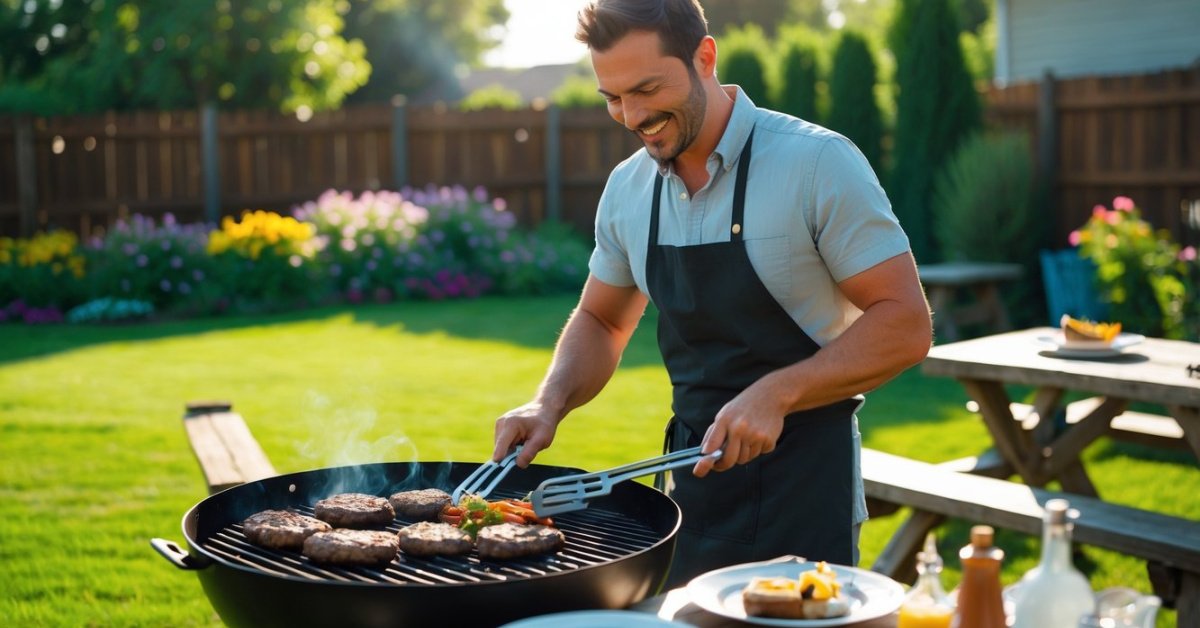
Nothing beats the taste of a homemade pizza fresh off the grill. I love that crispy crust and bubbling cheese but getting it just right can be tricky. If the grill’s too hot the bottom burns before the toppings cook. Too cool and the crust turns soggy instead of crisp.
That’s where a thermometer makes all the difference. With a simple temperature check I can make sure my pizza cooks perfectly every time. Let me show you how easy it is to use a thermometer and take the guesswork out of grilling pizza.
Why Use a Thermometer When Grilling Pizza
Getting consistent results on the grill depends on using a thermometer. I always monitor the temperature zone with a grilling thermometer since pizza crust reacts fast to direct heat. Brick-oven-style pizza tastes come from keeping the grill in the sweet spot—usually between 450-500°F for thin crust. With thermometers, I avoid burnt bottoms or soggy dough because I can adjust my fuel or placement right away.
Precise heat control matters for cheese and toppings, too. I use an instant-read thermometer to check the internal pizza temp hits at least 200°F in the middle, which melts cheese fully and cooks raw toppings like sausage or vegetables. That keeps everything safe and gives an ideal chew.
Cooking on different grills—gas, charcoal, or wood-fired—brings temperature swings. Thermometers help me dial in the right temp, even when outside weather changes. With regular use, I’ve eliminated guesswork and matched the pizza quality I used to serve back in Texas.
Choosing the Right Thermometer for Grilling Pizza
Picking the right thermometer streamlines the pizza grilling process and ensures spot-on results. I’ve tested dozens on everything from brisket to flatbread pizzas, and I look for accuracy and ease of use every time.
Types of Thermometers
- Instant-read Units: Instant-read models like the ThermoWorks Thermapen show temperatures in under 5 seconds. I check both pizza crust and melted cheese fast without lifting the grill lid too long.
- Probe Thermometers: Probe thermometers have a wire probe left on the grill. I place the sensor near the pizza on a pizza stone to track the entire cook, which helps manage heat zones.
- Infrared Thermometers: Infrared thermometers measure surface temperatures without touching the food. I scan the stone or grates before sliding on the dough so I always know if the base will crisp up.
- Digital Grill Thermometers: Digital grill thermometers with ambient probes monitor the inside of gas or charcoal grills. I like these for hands-off temperature tracking during bigger pizza parties.
Features to Consider
- Accuracy: I expect a margin of error under ±2°F. Consistent accuracy means I never get soggy centers or overcooked edges.
- Speed: Fast temperature readings—ideally under 3 seconds—let me check both crust and toppings quickly.
- Temperature Range: Look for a range that tops at least 700°F to handle high-heat pizza cooks.
- Readability: Bright, backlit displays make evening or outdoor grilling much easier.
- Build Quality: I value thermometers with durable, water-resistant cases since pizza grilling often gets messy.
- Probe Length and Material: Probes 4 inches or longer made from stainless steel reach through thick crusts and cheese with ease.
- Wireless Connectivity: For longer cooks or busy nights, Bluetooth or Wi-Fi connectivity lets me monitor temps from my phone.
- Battery Life: Strong battery life—over 80 hours—keeps me grilling pizza all weekend without interruptions.
Step-by-Step Guide: How to Use a Thermometer for Grilling Pizza
Using a thermometer lets me control both crust texture and topping doneness every time I grill pizza. My routine relies on careful steps for prep, temp checks, and finishing touches.
Preparing Your Grill and Pizza
Starting with a clean, preheated grill creates an even cooking environment for pizza. I brush down the grates, then ignite my burners or arrange charcoal to reach my target temp zone, usually between 450-500°F. If I use a pizza stone or steel, I set it on the grill at least 20 minutes before cooking, letting it fully absorb the heat—this step keeps the crust crisp. While the grill preheats, I stretch dough, add sauce, then layer cheese and toppings. I keep pizza size under 12 inches for even grilling.
Measuring Grill Temperature
Accurate grill temperature makes all the difference in pizza results. I attach my digital grill thermometer probe a few inches above the cooking grate or on the pizza stone’s edge, right where the pizza will rest. This placement reflects the true cooking temperature, not just the grill’s ambient heat. I check the display after the grill’s been closed 10-15 minutes. If temps fall outside 450-500°F, I adjust vents or burners, then wait until the probe confirms stability before sliding on my pizza. I repeat this check each time I open the grill to avoid heat loss.
Checking Pizza Doneness
Checking pizza doneness relies on an instant-read thermometer for quick accuracy. I insert the probe through the side of the pizza, aiming for the dough’s center—my grilled crusts reach perfection once the internal temp hits 200°F. This ensures cheese melts thoroughly and toppings cook evenly, even if the pizza looks golden on the surface. If the temp’s shy of 200°F, I rotate the pizza or shift its placement for a quicker finish, monitoring at 2-3 minute intervals. Using this method, I avoid soggy bottoms, undercooked dough, or cool cheese regardless of grill type or topping choice.
Common Mistakes and Troubleshooting Tips
Incorrect Probe Placement
Placing the grill thermometer too close to the pizza or heat source can give false readings. I always place the probe on the grill surface near the center, not touching the stone or crust, to measure actual grill temperature.
Neglecting Thermometer Calibration
Using an uncalibrated thermometer leads to inconsistent results. I check calibration before each grilling session by testing it in boiling water (212°F at sea level) and adjust or replace if readings are inaccurate.
Opening the Grill Too Often
Opening the lid repeatedly causes heat loss and temperature swings. I only open the grill when necessary, like turning the pizza or checking doneness with my instant-read thermometer.
Ignoring Hot Spots
Grills often have zones with uneven heat. I use my thermometer to check multiple spots on the grill surface, then rotate the pizza or move it to avoid burnt crusts and undercooked dough.
Relying Only on Visual Cues
Judging doneness by looks alone often results in raw centers or overdone toppings. I always insert my instant-read thermometer through the crust’s edge into the center; 200°F signals a perfectly cooked pizza.
Failing to Factor in Stone or Steel Temperature
Using a cold stone or steel causes soggy crusts. I allow my pizza stone or steel to preheat fully, then verify with a surface thermometer so it’s consistently above 450°F before placing the dough.
Forgetting Rest Time
Cutting pizza right off the grill causes cheese and toppings to slide. I wait 2-3 minutes after grilling for the cheese to set, then slice for clean servings.
| Mistake | Impact | Solution |
|---|---|---|
| Incorrect probe placement | Bad temperature readings | Position probe away from direct heat |
| Uncalibrated thermometer | Inconsistency | Calibrate or replace regularly |
| Opening grill too often | Heat loss, uneven cooking | Minimize lid openings |
| Ignoring grill hot spots | Burnt or raw pizza | Rotate and reposition pizza |
| Only using visual cues | Undercooked or overdone | Use instant-read thermometer |
| Cold stone or steel | Soggy crusts | Preheat and verify with surface thermometer |
| Skipping rest time | Messy slices | Rest 2-3 minutes before cutting |
Cleaning and Maintaining Your Thermometer
Regular cleaning keeps my grilling thermometers accurate and safe for every pizza session. Food residue, cheese grease, or pizza sauce can build up quickly, so I wipe the probe with a damp cloth after each use. For stuck-on bits, I scrub gently using a soft sponge and dish soap. I never submerge digital parts in water—a quick wipe for the handle always does the trick.
Proper sanitizing helps prevent cross-contamination, especially after checking multiple pies or toppings. I dip the probe tip in a mixture of water and isopropyl alcohol, then let it air dry. On busy grilling days, I carry sanitizing wipes for a fast, on-the-go clean between pizzas.
Regular calibration ensures my thermometer readings match the grill heat, not just my guesswork. I usually check calibration in ice water (32°F) or boiling water (212°F at sea level) every few weeks. If I notice inaccurate readings, I follow the manufacturer’s adjustment instructions. Reliable calibration gives me confidence that my cheese will melt and my dough will bake just right.
Storing thermometers properly prevents probe damage and extends lifespan. I store digital models in their protective cases, away from direct sunlight and the humid air near the grill. For analog or instant-read thermometers, I secure the sheath to avoid bending the delicate probe.
Consistent maintenance transforms my thermometers into the most trusted tools in my pizza setup, helping me grill everything from classic Margherita to BBQ chicken pizza without losing accuracy.
Conclusion
Grilling pizza at home has become one of my favorite ways to enjoy a slice with friends and family. With a reliable thermometer by my side I can focus on creativity and flavor instead of worrying about undercooked dough or burnt crusts.
It’s amazing how such a simple tool can make a big difference in the quality of my pizzas. With a little practice and attention to temperature I’ve found that every pizza night feels like a win—no more guesswork just great results every time.


