
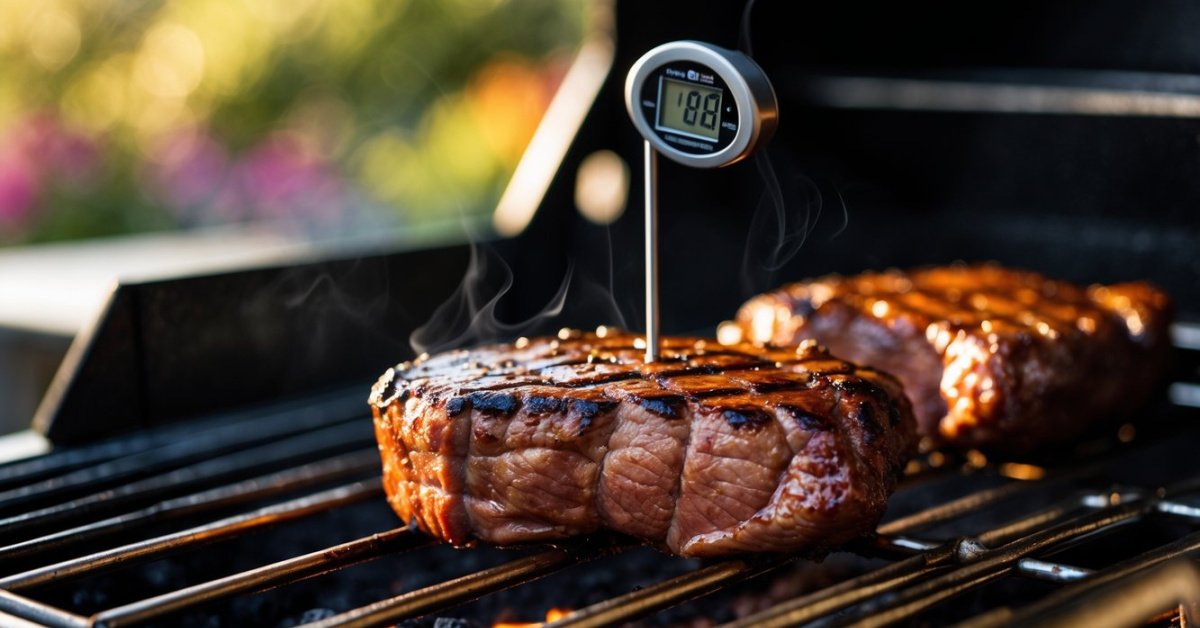
Nothing beats the mouthwatering aroma of slow-cooked BBQ ribs sizzling away on the grill. I love the anticipation that builds as the meat gets tender and the flavors deepen with every passing hour. But if there’s one secret I’ve learned over the years it’s that nailing the perfect rack of ribs isn’t just about patience or a killer spice rub.
Using a thermometer has completely changed the way I approach BBQ. It takes the guesswork out and helps me serve ribs that are juicy and perfectly cooked every single time. If you want to impress your friends and family at your next cookout it’s time to make the thermometer your new best friend.
Why Temperature Matters in Slow-Cooked BBQ Ribs
Accurate temperature delivers tender, safe BBQ ribs every time. Overcooked ribs often dry out, lose flavor, and turn tough, while undercooked ones become chewy and unsafe to eat. Consistent temperature keeps collagen melting slowly, turning tough connective tissue into that mouthwatering, fall-off-the-bone texture I crave in Texas-style ribs.
Precise monitoring removes all guesswork from BBQ. Even expert pitmasters like me trust a reliable thermometer instead of using touch or color alone. Various external factors, such as wind, humidity, or uneven grill heat, can throw off visual cues that people rely on when cooking ribs. A thermometer provides clear, real-time numbers, so I always know exactly when my ribs reach the ideal internal temperature.
Food safety relies on reaching at least 145°F internally according to the USDA, but I keep my BBQ ribs on until they’re 195–205°F to break down fats and collagen fully. That extra time in the right temperature range makes ribs juicy and flavorful, with a perfectly rendered texture that pleases any crowd.
Types of Thermometers for BBQ Ribs
Getting the right thermometer shapes every rib I cook. I reach for different models based on the stage of the cook, the setup I’m running, and the results I want.
Instant-Read vs. Probe Thermometers
Instant-read thermometers give me a quick reading of internal temperature when I open the lid, press the sensor into the thickest part of the ribs, and check within 3–5 seconds. Brands like ThermoWorks Thermapen and Lavatools Javelin show reliable results with accuracy and speed. I use them during the final hour of a cook, right when I want to double-check doneness without waiting around.
Probe thermometers use a metal probe that stays in the meat during the whole cook, connecting to a digital monitor outside the smoker or grill. Types like the MEATER, ThermoPro, and Maverick ET-733 let me watch the ribs’ internal temp in real time without lifting the lid and letting out precious heat or smoke. I rely on probes for cooks over 2 hours, especially when I’m experimenting with new wood or fuel types.
Pros and Cons of Different Thermometers
| Thermometer Type | Pros | Cons | Example Models |
|---|---|---|---|
| Instant-Read | Fast, accurate, small, easy to clean | Requires frequent opening, user monitoring | ThermoWorks Thermapen, Lavatools |
| Wired Probe | Constant monitoring, alerts, no lid lifting | Probe cords can tangle, batteries required | ThermoPro, Maverick ET-733 |
| Wireless/Bluetooth | Remote monitoring, app integration, preset alerts | Some need charging, possible signal issues | MEATER, Inkbird IBT-4XS |
Instant-read thermometers give fast temp checks but force me to open the pit each time, which drops heat. Wired probes provide real-time updates but have cords that can become a hassle during all-day ribs projects. Wireless models let me roam around the yard, grab a drink, and still monitor the temps on my phone, though sometimes I lose connection when I wander too far.
Matching the thermometer to my BBQ setup and habits means I avoid overcooking, undercooking, or constantly fussing over the grill—each thermometer keeps my ribs juicy and crowd-worthy.
How to Use a Thermometer to Monitor Slow-Cooked BBQ Ribs
Monitoring slow-cooked BBQ ribs with a thermometer guarantees juicy, tender results and eliminates guesswork. I rely on the right placement and proper timing to keep every rack flawless.
Placement and Timing Tips
Correct thermometer placement and timing maintain reliable readings during slow-cooking. I always insert the probe into the thickest part of the ribs, away from bone and fat, since bone absorbs heat and creates a false high reading. For an instant-read thermometer, I check multiple spots around the thickest middle section to confirm even doneness.
Once the ribs reach an internal temperature of 190–203°F, collagen breaks down for optimum tenderness. I avoid opening the grill lid too often, since each lift drops cooking temperature and extends cook time. If I’m using a probe thermometer, I set the alert a few degrees below my preferred finish, usually at 190°F, to account for carryover heat as ribs rest.
Common Mistakes to Avoid
Missteps with thermometer use often lead to unevenly cooked or dry ribs. I never place the probe against or near bone, since this inflates temperature readings and leaves meat undercooked. Relying on only one temperature spot causes problems, especially with irregular racks. It’s best to test a few areas along the meatiest part.
Skipping pre-calibration checks on a thermometer risks errors due to device drift. I perform a quick test in ice water (32°F) or boiling water (212°F at sea level) before every big cook. I also avoid using low-cost, slow-reacting dial thermometers, which can lag by 20–30 seconds, missing real-time changes.
Leaving the probe inside while moving ribs for wrapping or saucing creates kinks or damages wires in many units. I always remove my probe temporarily for sauce or wrap steps, reinserting it afterward to get accurate readings.
Benefits of Using a Thermometer for BBQ Ribs
- Precision Cooking for Consistent Results
Using a thermometer for BBQ ribs provides precise temperature readings at every stage. When I check my ribs, this accuracy helps me hit the ideal doneness range of 195–205°F, locking in juiciness and tenderness for every rack.
- Food Safety Assurance
Monitoring ribs with a thermometer keeps the meat safely above the USDA’s minimum standard of 145°F. Proper tracking reduces risks from undercooked pork, especially when cooking large batches for gatherings.
- Elimination of Guesswork
A thermometer eliminates guesswork by delivering real-time data. I’m not reliant on texture or color cues, which external conditions can throw off, so every rib batch ends up with reliable texture, regardless of weather or grill variables.
- Optimal Smoke Flavor Retention
With a probe thermometer, I keep the grill closed and the smoke rolling. Consistent temperatures maximize smoke absorption, locking in flavor that makes BBQ ribs unforgettable.
- Efficient Cooking Process
Monitoring with a quality thermometer means I catch temperature stalls early. Setting alerts a few degrees shy of my finish temp lets me control carryover cooking and rest times, streamlining every step.
- Better Results with Recipe Experimentation
When I tweak BBQ rubs or techniques, a thermometer shows exactly how those changes affect cooking time and final texture. This data speeds up recipe development, helping me fine-tune new flavor combinations and cooking styles.
Final Thoughts on Using a Thermometer to Monitor Slow-Cooked BBQ Ribs
Using a thermometer for slow-cooked BBQ ribs takes the guesswork out of grilling, which always raised my confidence back when I ran my BBQ cart in Texas. Every rack of ribs benefits from accurate temperature reading, whether I’m using instant-read models for quick checks or setting up wireless probes to track the cook for hours. Smart placement of the probe means my ribs finish with the right juiciness, tenderness, and smoke flavor that Texas BBQ fans love.
Grill thermometers simplify repeatable results. Over hundreds of cooks, I’ve compared briskets and pork ribs in high heat Central Texas smoky pits and backyard kettles, proving that temperature data impacts consistency more than intuition ever could. Real-time monitoring means I catch stalls early, preserve moisture by keeping the lid closed, and avoid the dryness that comes from overcooking.
Food safety also comes easier. By keeping every rack above 145°F for safety, then finishing to 195–205°F, I create ribs that stay tender and delicious every time—my favorite part of recipe development. Multiple thermometer styles exist now, from classic wired probes to app-connected wireless models. Each can suit different pitmaster routines, grill types, and BBQ techniques.
Experimentation always gets easier with precise temperature tracking. Every time I tweak a spice rub or use a new smoke wood, the thermometer lets me dial in texture and flavor without surprises. For me, that continuous feedback loop turns slow-cooking ribs into an art form any backyard BBQ fan can master—one perfect bite at a time.
Conclusion
There’s nothing quite like the satisfaction of pulling a perfectly cooked rack of ribs off the grill and knowing they’re juicy tender and packed with flavor. For me using a thermometer takes the stress out of slow-cooking and lets me focus on enjoying the process and the company.
Whether you’re just starting out or you’re a seasoned pitmaster a good thermometer is your best friend for BBQ success. Trust me—once you start using one you’ll wonder how you ever grilled without it.


