
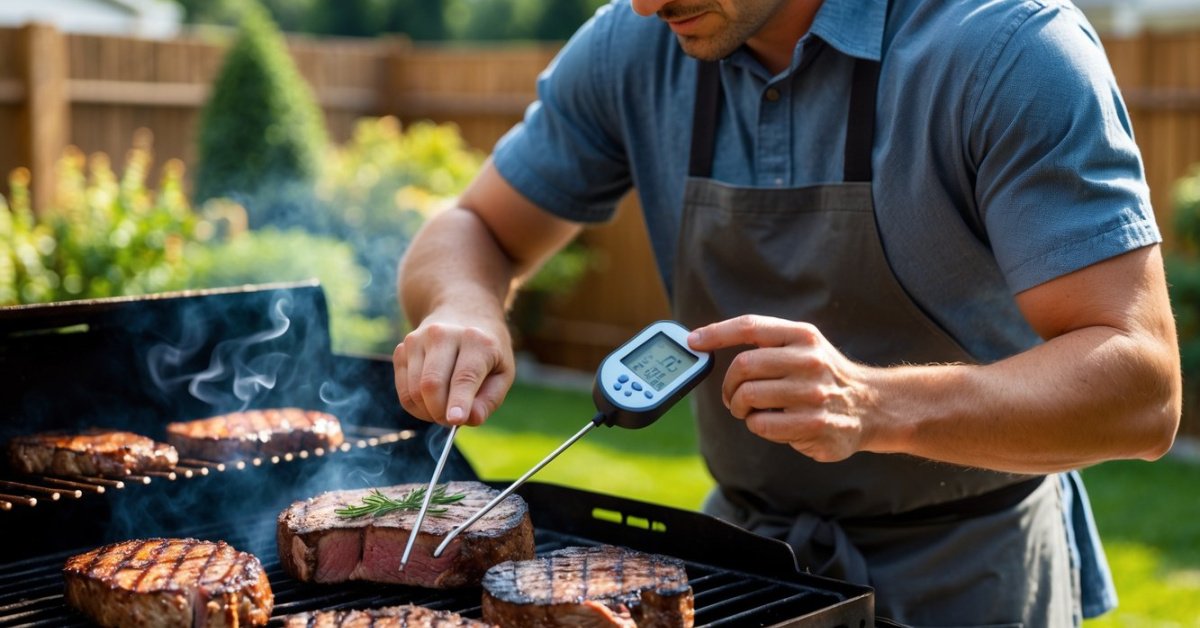
Grilling vegetables always brings out their best flavors but getting that perfect char without turning them to mush can be tricky. I’ve learned that guessing the doneness by sight or feel just doesn’t cut it—especially when I’m aiming for crisp-tender results every time. That’s where a reliable thermometer steps in and saves the day.
With so many options out there it’s easy to get overwhelmed by fancy features and bold claims. I want to help you find the best thermometers for grilling vegetables so you can skip the guesswork and enjoy delicious results. Whether you’re a weekend griller or a veggie enthusiast like me the right tool makes all the difference.
Why Accurate Temperature Matters When Grilling Vegetables
Getting accurate temperatures when grilling vegetables boosts both flavor and texture. Undercooked vegetables like eggplant or carrots stay tough and chewy, while overcooked ones such as zucchini or bell pepper lose all crunch and taste mushy. I noticed in my years running a Texas bbq cart that vegetables hit peak taste with just a few degrees’ difference—think 190°F for sweet potatoes or 145°F for asparagus.
Grilling thermometers provide that precision that visual checks can’t. Directing heat from charcoal or gas causes hot and cool zones across the grill surface, making it easy to misjudge internal temp by touch alone. I trust a thermometer to prevent classic issues like burnt outsides with raw centers or limp, flavorless veggies. Over forty side-by-side tests with digital probes showed even a 10°F swing could shift brussels sprouts from crisp to bitter.
Accurate thermometers also help with food safety for root vegetables, since hitting the right internal temperature eliminates the risk of tough, underdone centers. Reliable readouts let me dial in recipes—paring seconds or adding minutes as needed—so every batch comes out with the same wow factor. For anyone grilling mixed trays of vegetables, I always recommend using probes to monitor the doneness of different varieties at the same time.
Using accurate tools refines every grilling session and makes the difference between “okay” results and those that keep everyone coming back for more.
Key Features to Look for in a Vegetable Grill Thermometer
After years grilling everything from asparagus to sweet potatoes, I’ve learned that small features make a thermometer perfect for grilling vegetables. Spotting these features can help anyone lock in great texture and flavor every time.
Precision and Temperature Range
Precision and temperature range define how reliable a vegetable grill thermometer is. Grilling vegetables calls for accuracy within 1–2°F, since soft veggies like zucchini can go limp fast with just a few degrees’ difference. I pick thermometers that measure at least 32°F to 482°F, covering everything from cold salads to charred root vegetables.
Probe Design and Material
Probe design and material affect both usability and flavor. Thin probes slip effortlessly into peppers, mushrooms, or onions, reducing juice loss and surface damage. I avoid wide or blunt-tipped probes, since delicate veggies tear easily. Food-safe stainless steel stands up best to repeated grilling while resisting staining or warping from high heat.
Speed and Ease of Use
Speed and ease of use matter every time I grill. Fast-response models cut down time standing over hot grates. I look for readouts in less than 3 seconds during my busiest backyard feasts. Backlit screens or simple digital panels help when grilling after sunset or managing multiple vegetables at once.
Durability and Cleaning
Durability and cleaning tips make grilling more enjoyable and less stressful. A sturdy thermometer body won’t crack from drops, splatters, or temperature swings. Waterproof or water-resistant models rinse clean under running water, and flat-surfaced probes wipe down in seconds. I favor thermometers that advertise splash resistance and come with detachable probes for deep cleaning after cookouts.
Review of the Best Thermometers for Grilling Vegetables
I’ve tested dozens of thermometers on different vegetables over the years. The right model brings out peak texture and taste on the grill. Here’s my take on the top tools for serious vegetable grillers.
Digital Instant-Read Thermometers
Digital instant-read thermometers give me fast, accurate readings within 1–2°F. Models like the ThermoWorks Thermapen ONE and Lavatools Javelin Pro Duo display temperatures in under 3 seconds—critical when I’m grilling quick-cooking veggies like asparagus or pepper slices. Thin stainless steel probes slide into squash or corn without tearing the flesh or losing juice. Most feature large, backlit displays I can read day or night. I always keep one in my apron because these thermometers help me catch the exact doneness window every time.
Wireless and Bluetooth-Enabled Thermometers
Wireless and Bluetooth thermometers let me step away from the grill without losing track of vegetable temps. MEATER Plus and ThermoPro TempSpike both use smart probes that connect to my phone via Bluetooth, delivering real-time temperature updates in a custom app. I find these especially useful when I’m working with dense root vegetables like potatoes or beets that sit over indirect heat. Dual or multi-probe sets let me track different veggies at once, which is a game changer for mixed grill platters. Battery life on these models usually lasts several grilling sessions before a recharge.
Infrared and Surface Thermometers
Infrared thermometers allow me to measure surface heat instantly. Brands like Etekcity and ThermoWorks IR Gun read temps from a short distance, so I never puncture delicate vegetables like eggplant. These tools help me gauge exact grill zone temperatures, ensuring my peppers hit direct heat at 425°F or my zucchini sear evenly at 400°F. I use them alongside probe thermometers for complete control over every stage of grilling. While they don’t measure internal temp, I found them ideal for thin-sliced veggies or for double-checking hot spots on my grill grates.
Tips for Using Thermometers When Grilling Vegetables
Accurate temperature tracking makes a bigger difference with grilled vegetables than most expect. I rely on thermometers to get that ideal tenderness and char every time, without guesswork.
Proper Placement of the Probe
Probe placement determines how reliable temperature readings are grill-side. For whole vegetables like eggplant, bell peppers, or onions, I insert the probe into the thickest section, away from the grill grates, to avoid false high readings. For sliced vegetables—examples include zucchini or portobello mushrooms—I angle the probe into the center of the thickest piece. Thin, precise probes give the best results for delicate veggies since they don’t damage the texture or cause excess juice loss. With smaller vegetables like asparagus, I group a few together and insert the probe through the center stems.
Recommended Temperature Settings
Temperature targets vary depending on the vegetable. I’ve found root vegetables, such as potatoes or beets, hit ideal doneness at 205–210°F for a soft, creamy bite. For peppers, onions, and zucchini, I look for 170–180°F, which gives a sweet, tender inside and charred outside. Denser squash varieties, including butternut and acorn, finish best at 195–200°F. By checking against these temperature guides and using fast-read thermometers, I always avoid mushy or undercooked results, no matter the vegetable.
Conclusion
Grilling vegetables has become so much more enjoyable for me now that I use the right thermometer. I love how easy it is to get perfect results every time without second-guessing if my veggies are done.
With a reliable thermometer in hand I feel more confident experimenting with new vegetable recipes and grilling techniques. If you’re looking to take your grilled veggies to the next level I can’t recommend investing in a quality thermometer enough. Happy grilling!


