
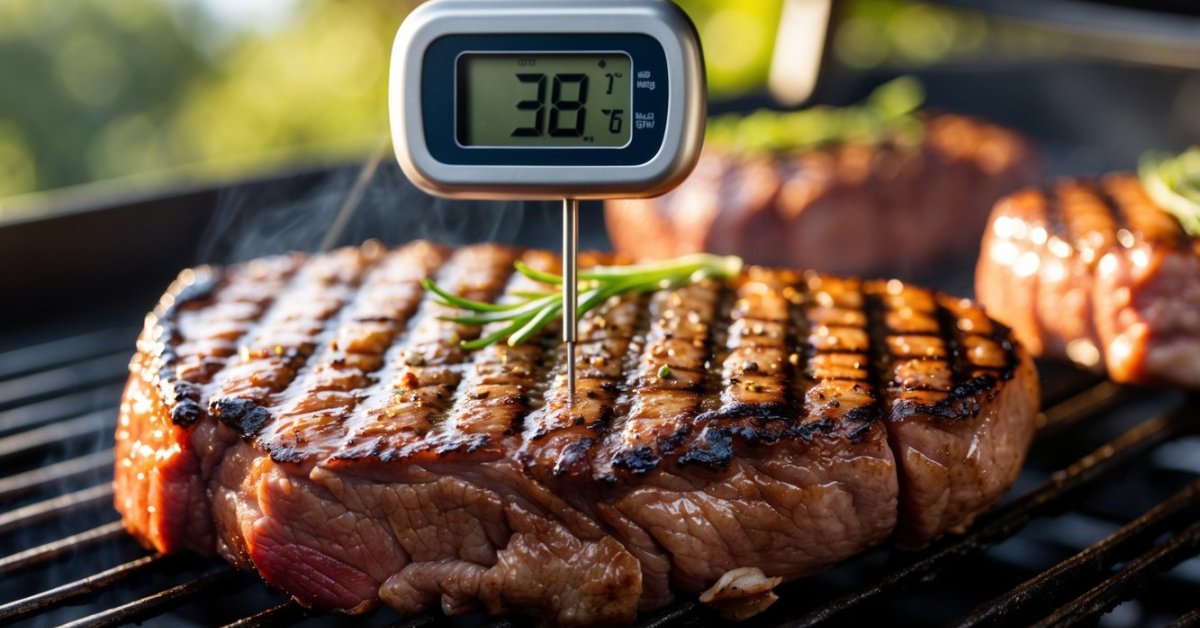
Whenever I cook a juicy steak or bake a batch of cookies I want everything to come out just right. That’s why I always reach for my instant-read thermometer. It’s the secret tool that helps me avoid dry chicken or undercooked fish and makes sure every meal is safe and delicious.
If you’ve ever wondered how to use one of these handy gadgets you’re not alone. Learning to use an instant-read thermometer is quick and easy and it can make a world of difference in your kitchen. Let me walk you through the simple steps so you can cook with confidence every time.
What Is an Instant-Read Thermometer?
An instant-read thermometer gives me temperature readings of meat, poultry, or fish in seconds, letting me check doneness without guessing. This tool uses a metal probe that I insert into food, with a digital or analog display showing the temperature, usually within 2–5 seconds with digital models like the ThermoWorks Thermapen. I trust these thermometers for cuts like brisket, ribs, steaks, or even delicate salmon, since quick accuracy keeps my cook on track.
I rely on the slim probe design to penetrate thick cuts without letting much juice escape. Unlike traditional leave-in thermometers, I use instant-read models for spot checks during grilling, smoking, or roasting, which prevents overcooking when timing matters most.
Quality instant-read thermometers usually provide an accuracy margin of ±1.0°F, which I confirm by testing in ice water or boiling water before a big cookout. Most models, including ones from ThermoPro and Lavatools, feature a range from about -58°F to 572°F, covering everything from steak to sugar work.
For me, the biggest benefits include faster checks, greater confidence, and consistent results, making the instant-read thermometer essential for anyone who’s serious about grilling.
Why Accurate Temperature Matters in Cooking
Precise temperature readings drive perfect grilling results. When I grill brisket, chicken thighs, or salmon fillets, instant-read thermometers help me dodge dry, overdone bites and undercooked surprises. USDA food safety standards, like 165°F for poultry or 145°F for most fish, make temperature control essential for safe eating.
Consistent temperature checks give repeatable doneness. I get brisket with that tender pull every time by measuring internal temp instead of guessing from appearance. For steaks, accurate readings give me exactly medium-rare at 130–135°F, matching classic bbq expectations in Texas BBQ competitions.
Juiciness and texture both improve with precise temperature. Pork chops, for example, stay pink and juicy at 145°F, based on FDA guidelines. When I use instant-read thermometers, results stay close to those recommended safe and tasty standards.
Temperature accuracy prevents wasted meat. A thermometer that’s off by even 5°F can make ribs dry out or chicken stay undercooked near the bone. Digital models I use show accuracy within ±1.0°F, which matters when every rack of ribs or sausage link counts at a BBQ event.
Here’s how accuracy impacts grilling:
| Food | USDA Safe Temp | Optimal Texture Temp | Effect of Inaccuracy |
|---|---|---|---|
| Chicken Breast | 165°F | 162–165°F | Overcooked or unsafe to eat |
| Beef Steak | 145°F | 130–135°F (med-rare) | Too tough or too rare |
| Pork Chop | 145°F | 145°F | Dry or underdone |
| Salmon Fillet | 145°F | 125–130°F | Mushy or raw |
| Sausage | 160°F | 160°F | Split or undercooked casing |
Grilling thermometers, when properly calibrated, keep texture spot-on and flavor full. Every time I check temps, my BBQ stays safe, juicy, and crowd-pleasing, whether I’m firing up burgers or slow-smoking a pork shoulder.
Types of Instant-Read Thermometers
I use two main types of instant-read thermometers whenever I’m grilling—digital and dial. Both let me check temps quickly, but each has strengths depending on what I’m cooking.
- Digital Instant-Read Thermometers:
Digital thermometers, like the ThermoWorks Thermapen ONE and Lavatools Javelin PRO, give clear readings on an LCD display, usually within 2–3 seconds. I prefer these when I’m grilling thick steaks or brisket because speed matters if I don’t want heat escaping every time I open the lid. Features like backlighting, waterproof housing, and auto-shutoff make them favorites in my bbq toolkit.
- Dial (Analog) Instant-Read Thermometers:
Dial thermometers, such as the Taylor Precision Classic, use a mechanical needle for readings in about 15–20 seconds. They don’t use batteries, so I grab them for casual grilling or when I’m teaching new pitmasters the basics. I don’t rely on them for thin cuts because they react slower, but they’re durable and consistent for larger roasts.
- Infrared Thermometers:
Infrared models, like the Etekcity Lasergrip 1080, measure surface temps from a distance. I use them for checking grate temp or stone temperature for pizza, not for internal meat temps, since they don’t penetrate food.
- Thermocouple Probes:
Pro thermometers like the ThermoWorks Thermapen are built with thermocouple probes, which means maximum accuracy within ±0.7°F and nearly instant results. These are my pick for competitions or fine-tuning bbq recipes that need precise temperatures.
Each thermometer type adds value depending on whether I want speed, reliability, or specialty surface checks. I cycle between these tools to match what I’m grilling or smoking that day.
Step-by-Step Guide to Using an Instant-Read Thermometer
Getting the best from an instant-read thermometer has helped me lock in juicy texture and real BBQ flavor, whether I’m grilling brisket or quick-searing steak. Here’s my hands-on breakdown for using this tool at the grill.
Preparing Your Food for Temperature Measurement
Patting meats dry with paper towels removes surface moisture, so the thermometer gets a clean, accurate read and the probe doesn’t slip. Trimming thick fat layers or excess sauces from roasts, ribs, and chicken, like my favorite Texas-style brisket or pork shoulder, ensures nothing blocks the thermometer from reaching the real core. Laying the meat flat on the grill or a board after unwrapping from foil or butcher paper gives me easy access to the thickest part for a proper check.
Calibrating Your Thermometer Before Use
Testing and calibrating a thermometer keeps every reading trustworthy. Placing the probe in a cup of ice water gives a baseline read at 32°F (0°C); if the thermometer matches, it’s calibrated. For boiling calibration, hovering it in boiling water should show 212°F (100°C) at sea level. If there’s a mismatch, most digital thermometers have a reset button or a simple method to adjust; I make these checks before every new grilling session, especially after dropping the probe or swapping batteries.
Proper Placement for Accurate Readings
Plunging the probe tip into the thickest, densest section of meat, away from bone, fat, or grill plates, records the internal temperature that matters. For brisket and larger roasts, sliding the probe in from the side, directly toward the center, picks up the coldest—and most accurate—spot. When grilling thinner cuts like steaks or chops, angling the probe sideways from edge to midpoint ensures I’m not just measuring the surface.
Reading and Interpreting Results
Temperature readings appear on the digital display within 2–3 seconds, letting me know if my ribs need more time or my steaks are ready to rest. I always compare the display to the USDA grill-safe temperature chart taped inside my grill cabinet—165°F for chicken breast, 145°F for pork loin, 130–135°F for rare beef steak. A quick re-check at another spot confirms the reading and keeps hot spots from fooling me.
Cleaning and Storing Your Thermometer
Wiping the metal probe with soapy water removes grill residue and prevents cross-contamination before my next rack of ribs or batch of wings. A rinse under the tap, followed by a quick towel or air dry, preps the thermometer for storage. I keep my thermometer in a protective case, tucked in a dry drawer away from grill heat and moisture, so it’s always ready for the next backyard session.
Common Mistakes to Avoid
- Inserting the Probe Incorrectly
I see many people push the probe in at an angle or too shallow, which gives surface rather than core temperatures. I always aim the probe straight into the thickest part of the meat, such as the center of a brisket, to check the true doneness.
- Failing to Clean Between Uses
I make sure to clean my thermometer after every check, especially when grilling chicken and beef back-to-back. Cross-contamination risks stay high if I skip this, even with quick checks.
- Using a Cold or Uncalibrated Thermometer
I calibrate my thermometers regularly using the ice water or boiling water method. Skipping this leads to wrong readings, and the results often show in overcooked ribs or underdone chicken thighs.
- Pulling Out the Thermometer Too Soon
I wait those extra few seconds for the display to stabilize, especially with digital models. My early days running the food cart taught me rushing readings leads to uneven doneness and surprised customers.
- Ignoring Resting Time After Measuring
I avoid cutting or serving meat immediately after checking the temperature. Resting steaks and briskets for a few minutes lets the juices redistribute, creating better texture and flavor.
- Using an Instant-Read for Continuous Monitoring
I rely on instant-read thermometers only for spot-checking. For long cooks like pork shoulder, I always use leave-in probe thermometers, since using instant-read tools repeatedly can cool the meat and slow down barbecue times.
- Storing the Thermometer While Still Hot or Dirty
I clean and let my thermometer cool before storage. Putting hot or greasy tools away can damage sensitive probes and create food safety hazards for my next session.
- Forgetting Altitude or Atmospheric Adjustments
I account for boiling water temperatures that change with altitude when calibrating my thermometer during BBQ competitions or backyard parties in the Texas Hill Country.
My experience testing and teaching others how to use grilling thermometers proves that avoiding these mistakes keeps food safe, flavorful, and cooked exactly as intended.
Tips for Maintaining Accuracy Over Time
- Calibrating Regularly
I calibrate my instant-read thermometers at least once a month by checking them in both ice water (32°F) and boiling water (212°F at sea level). I adjust the readings if I see a gap greater than ±1°F from the expected temperature, keeping each thermometer BBQ-ready.
- Cleaning After Every Use
I clean my thermometers immediately after each grilling session using hot, soapy water on the probe while avoiding water around digital or dial housings. I sanitize with a 70% alcohol wipe, which reduces cross-contamination risks between briskets, steaks, and poultry.
- Proper Storage
I store my thermometers in protective cases or sleeves, keeping them away from moisture, direct heat, and impacts. I never toss them in a crowded drawer since even a minor bend in the probe can throw off readings by 2°F or more.
- Avoiding Battery Drain
I remove batteries from digital thermometers if I won’t use them for more than four weeks. I change low or expired batteries as soon as I notice a dim display or slow reading, since weak power can make readings less reliable.
- Checking for Probe Damage
I inspect probes for rust, bends, or loose connections weekly. I replace damaged probes because even surface corrosion or a slight bend can lead to false readings, which affects everything from pork ribs to tri-tip.
- Avoiding Extreme Temperatures
I never expose my thermometers to direct flames, grill lids, or hot smoker grates. Extreme heat can permanently alter the sensor’s calibration, especially in analog and digital models.
- Documenting Performance
I keep a quick log of any odd readings or recalibrations in a notebook. Patterns in performance help me determine if a thermometer’s ready for retirement, or just needs another calibration.
These steps ensure every reading I get matches the real doneness of every brisket, steak, or chicken breast I grill.
Conclusion
Mastering an instant-read thermometer has truly changed the way I cook. It’s become my go-to tool for stress-free grilling and roasting because I never have to second-guess if my food is safe or perfectly done.
With just a few simple steps and a little care you’ll find that every meal turns out better and more consistent. I love knowing I can trust my thermometer to help me serve up delicious results every time.
If you haven’t made this tool part of your kitchen routine yet I highly recommend giving it a try. You’ll wonder how you ever cooked without it!


