
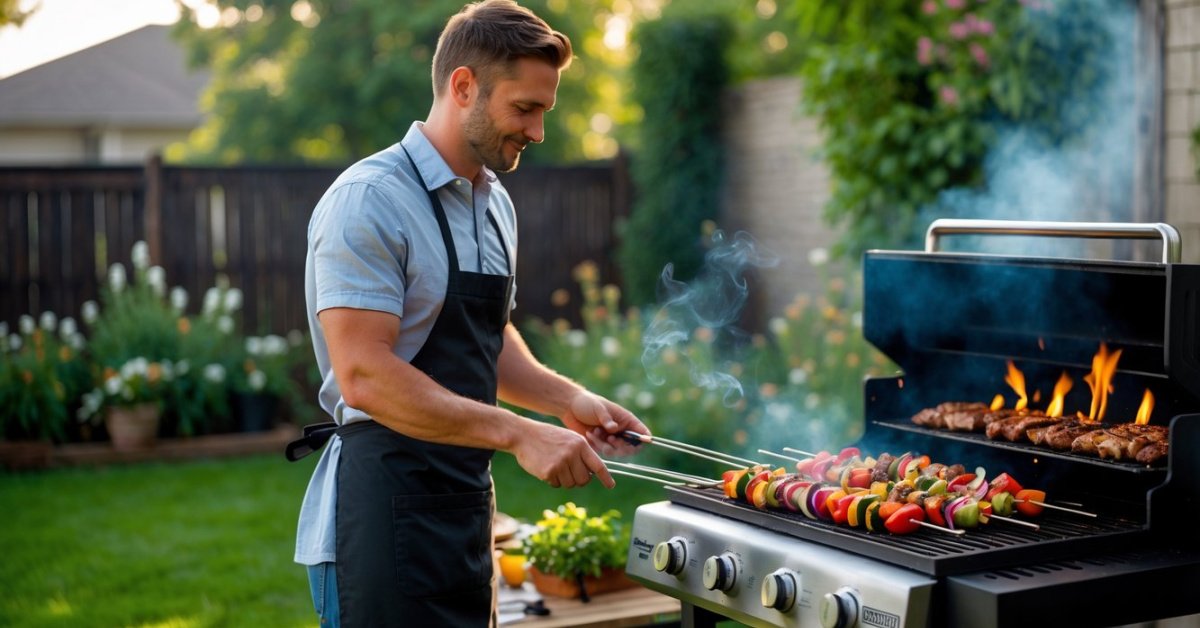
There’s nothing quite like biting into a juicy lamb chop hot off the grill. But I know how easy it is to end up with meat that’s either too rare or disappointingly overcooked. That’s where a trusty thermometer comes in and changes the game.
I used to rely on guesswork and timing alone but once I started using a thermometer my grilling results became much more consistent. With just a simple tool I can take the stress out of grilling and serve up lamb chops that are perfectly cooked every single time.
Why Temperature Matters When Grilling Lamb Chops
Consistent doneness transforms grilled lamb chops from average to exceptional. Meat fibers in lamb change texture and juiciness at specific temperatures, so knowing the internal reading means I don’t risk tough, overcooked results or undercooked centers that some guests might not want. Using a grilling thermometer takes subjective guesswork out and replaces it with a method I trust at my grill or on the food cart.
Precise temperatures produce distinct results in lamb. Medium-rare sits at 130°F to 135°F, while medium lands around 140°F to 145°F, according to the USDA. Hitting these numbers lets me control how pink or firm each chop tastes and feels, whether I’m hosting a backyard cookout or adding a lamb special to my old cart menu.
Cooking times alone never guarantee accuracy, since bone thickness, chop size, and heat zones cause uneven results. I measure temperature each time to ensure perfect doneness, even on fast-cooking cuts like lamb chops where a 2-minute difference can change everything. Relying on clear readings means I serve juicy, tender meat every single time.
Choosing the Right Thermometer for Grilling
I always reach for my thermometer before putting lamb chops on the grill. The right model lets me manage temps quickly and accurately, making difference between juicy chops and dry, chewy meat.
Types of Grill Thermometers
I see three main types of thermometers for grilling lamb chops:
- Instant-read Thermometers — I use these to check meat temps fast when I’m working with thin-cut chops or grilling over high heat. They deliver quick readings—usually under 5 seconds—perfect for spot-checking.
- Probe Thermometers — These thermometers let me track the temperature throughout the cook. I’ll insert the probe into the thickest part of the chop, and a cable connects the probe to a digital display outside the grill so I can monitor temps in real time.
- Infrared Thermometers — I use these to measure the grill grates’ surface temperature, not the meat itself. They’re handy for ensuring my grill is hot enough to sear lamb chops properly, but they won’t tell me the internal chop temp.
Features to Look For
I focus on several features when picking out a grill thermometer for lamb chops:
- Accuracy — A dependable thermometer delivers readings within ±2°F. High-accuracy models like the Thermapen ONE or Lavatools Javelin PRO have always given me consistent results.
- Response Time — I pick thermometers that read temps in 2 to 5 seconds. Quick readings mean less heat loss and more time focusing on the grill.
- Probe Length — Longer probes reach right into the center of thick chops. I look for at least 4 inches for most of my grilling cuts.
- Display — Large, backlit displays help me read temps day or night, even when I’m grilling for a crowd after sundown.
- Durability and Construction — I grill a lot, so I want thermometers with water-resistant, sturdy cases that handle both Texas sun and kitchen abuse.
- Preset Temps and Alarms — Many digital models let me set USDA-recommended temps for lamb—130°F for medium-rare, 145°F for medium. The audible alarm keeps me on track while I prep sides or manage the grill.
Choosing the right thermometer makes it easier for me to grill lamb chops that taste just as I want every single time.
Step-By-Step Guide: Using a Thermometer to Perfectly Grill Lamb Chops
Using a quality grilling thermometer transforms my lamb chop game and keeps every batch juicy and consistent. Here’s how I tackle each step for reliable results every time.
Preparing Your Lamb Chops
Seasoning lamb chops evenly on all sides creates a good crust and locks in flavor for grilling. I let them sit out at room temperature for 20 to 30 minutes, which ensures even heating once they hit the grill. For thicker chops—around 1 to 1.5 inches—I pat them dry with paper towels so I get a crisp sear. I keep marinades simple, sticking with olive oil, garlic, rosemary, and salt to complement lamb’s natural richness.
Monitoring Internal Temperature
Inserting the thermometer into the thickest part of each lamb chop while avoiding bone ensures accurate readings. For instant-read thermometers, I pierce the center after flipping once, and for probe models, I insert the wire probe before placing the chops on the grill. I check the display every 2 to 3 minutes as the lamb finishes grilling since temperature rises fast toward the end. I never use infrared thermometers for meat—they only measure surface temps—which nearly always leads to underdone or overcooked centers.
Target Temperatures for Lamb Chop Doneness
I rely on USDA recommendations and my own flavor preferences when grilling lamb chops. Here’s a quick table showing the target finish temps and results:
| Doneness | Pull from Grill (°F) | Rested Temperature (°F) | Texture & Juiciness |
|---|---|---|---|
| Medium-Rare | 125 | 130–135 | Tender, pink, juicy (my pick) |
| Medium | 135 | 140–145 | Slightly firm, moist |
| Medium-Well | 145 | 150–155 | Less pink, still moist |
Pulling the chops off the grill 5°F before the final target lets carryover heat finish the job. I rest the lamb 5 to 10 minutes loosely tented in foil to lock in juices and even out the temperature. Every time I dial in these steps using the right thermometer, I deliver chop-house quality lamb from my own backyard.
Common Mistakes to Avoid
- Poking Multiple Holes in the Meat
I see folks stab those lamb chops over and over with a thermometer, which causes juices and flavor to run out. One accurate insertion through the thickest part, away from bone and fat, gives a true reading.
- Measuring Temperature Too Close to the Bone
I always insert the probe into the thickest part of the meat, not near the bone. Rapid temperature changes around the bone often mislead and produce an inaccurate doneness reading.
- Relying Solely on Cooking Time
I don’t base doneness on minutes per side, since grill heat, chop thickness, and ambient conditions all vary. Meat thermometers, not cook times, indicate when lamb chops reach the perfect temperature every time.
- Forgetting Carryover Cooking
I pull chops a few degrees before my target—about 5°F lower—since the internal temperature rises off the grill. Skipping this step often turns juicy chops dry and overcooked.
- Skipping Resting Time
I always let lamb chops rest for 5 to 10 minutes after grilling. Cutting too soon lets those flavorful juices escape, leaving drier results on the plate.
- Using a Dirty Thermometer
I make a habit of cleaning my thermometer between uses. Grease and buildup can affect readings and transfer off-flavors to the meat.
- Neglecting Thermometer Calibration
I periodically check my thermometer against boiling water (212°F) and ice water (32°F). A miscalibrated thermometer ruins accuracy, no matter how careful I am at the grill.
Additional Tips for Perfectly Grilled Lamb Chops
- Select consistent lamb chop thickness
I always buy chops of similar thickness—about 1.5 inches thick works best for even grilling. Varied thickness can cause one chop to overcook while others stay underdone.
- Oil the grill grates before placing the chops
I brush the grates lightly with neutral oil right before grilling. Oiled grates help prevent sticking and ensure defined grill marks.
- Use indirect heat for thicker chops
If I’m working with double-cut or thick lamb chops, I start them over indirect heat to gently bring up the internal temperature, then finish over high direct heat for that signature sear and flavor.
- Marinate or dry-brine before grilling
I give lamb chops a few hours in a marinade (like olive oil, rosemary, garlic) or dry-brine with kosher salt. This step adds flavor and helps moisture retention during grilling.
- Turn only once
I flip lamb chops just once after they release easily from the grates. This approach builds better crust and avoids breaking the surface, keeping juices inside.
- Rest lamb chops on a rack, not a plate
I place grilled chops on a wire rack over a sheet pan. Resting on a rack prevents the bottom from steaming and going soggy, so the crust stays crisp.
- Test multiple spots if uncertain
If the chop feels uneven in thickness, I check the temperature in two spots. I want the thickest portion at my target temperature, not just the edge.
- Avoid overcrowding the grill
I give each chop enough space for hot air to circulate. Crowding traps steam and limits browning, so chops lose out on that classic grilled crust.
- Experiment with wood chips or herbs
Sometimes, I add a small foil packet of soaked wood chips or toss rosemary sprigs onto the coals. These boosts add a subtle smoky layer or herb aroma that really complements lamb.
- Clean the thermometer after each use
After every grilling session, I give my thermometer probe a quick wipe with alcohol or soap and hot water. Clean tools help get the most reliable readings every session and keep flavors pure.
Conclusion
Grilling lamb chops has become a lot more enjoyable for me now that I rely on a good thermometer. I can focus on the fun of cooking and sharing a great meal instead of stressing about whether the chops are underdone or overcooked.
With a little practice and the right tools it’s easy to get restaurant-quality results at home. Every time I serve perfectly grilled lamb chops I’m reminded how a small change can make a big difference in the kitchen.


