
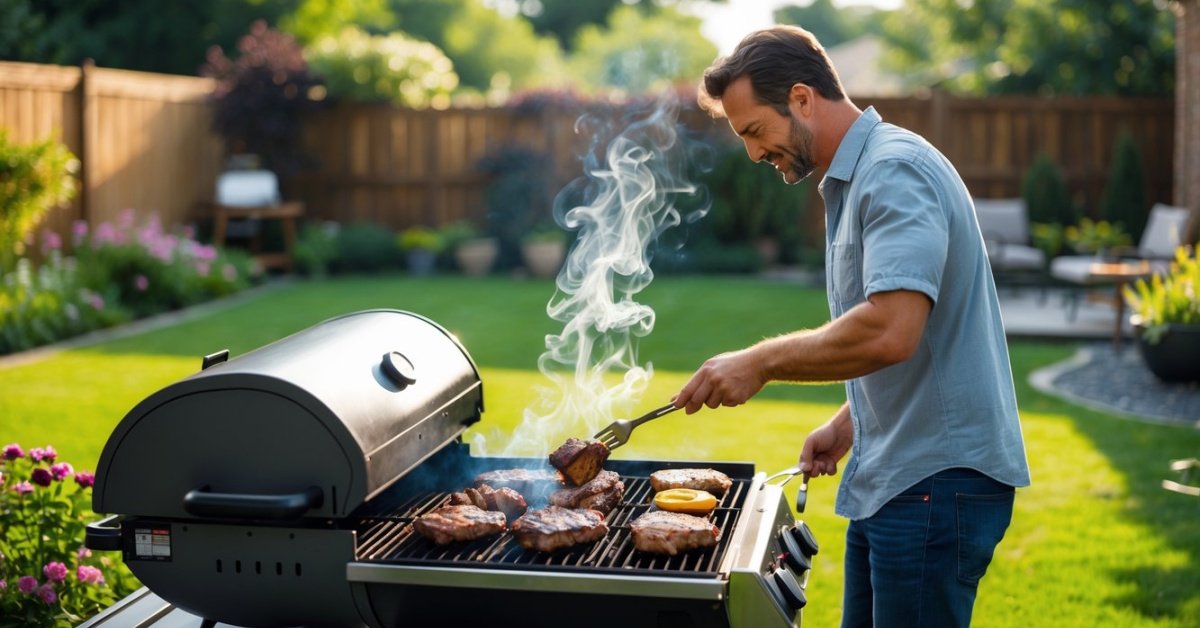
When I’m grilling in the backyard or monitoring temperatures in a greenhouse, I know how important it is to trust my wireless thermometer. There’s nothing more frustrating than losing connection or getting inaccurate readings just when I need them most. With so many choices out there, finding one that actually works over long distances can feel overwhelming.
I’ve learned that a reliable wireless thermometer makes all the difference, whether I’m cooking, gardening, or keeping an eye on the weather. If you’re looking to avoid the hassle of trial and error, I’ll share what to watch for so you can pick a thermometer that won’t let you down when you need it most.
Understanding Wireless Thermometers for Long-Range Use
Wireless thermometers for grilling give me freedom to walk away from my smoker or grill while still tracking meat temps. These tools use radio frequency (RF) or Bluetooth signals between a probe and a display, sometimes adding Wi-Fi for extra range.
Long-range grilling thermometers work best when they push signal distances past 300 feet in open conditions, making them great for backyard setups or even public bbq events. Some models like the ThermoPro TP27, MEATER Block, and FireBoard 2 use multiple signal technologies to keep readings stable even with walls or obstacles.
Reliable devices give me consistent readings within ±1.5°F, so briskets and pork shoulders finish perfectly. Models with water-resistant probes, like those from Inkbird, last longer in humid Texas summers and messy bbq sessions.
Durability, signal stability, and real-time monitoring all play into dependable long-range thermometer performance. Each time I test a new model, I check it against these fundamentals to save me—and anyone grilling nearby—a headache and plenty of guesswork.
Key Features of a Reliable Wireless Thermometer
Finding a dependable wireless thermometer for grilling means looking beyond brand names and focusing on specs that deliver consistent results at any backyard cookout or event. I focus on features that withstand high-heat BBQ sessions, unpredictable weather, and long hours by the pit.
Signal Range and Strength
Signal range and strength separate a hobby device from a pro-grade grilling thermometer. Devices like the FireBoard 2 and ThermoPro TP27 keep consistent readings over 300 feet, even through obstacles like patio walls or closed trailer doors. Dual-frequency thermometers using both RF and Bluetooth rarely drop connection, which keeps me confident when I’m prepping sides or chatting with guests while smoking brisket far from the receiver.
Accuracy and Response Time
Accurate measurements and fast updates define my top thermometers. A reliable model maintains a margin of ±1.5°F—essential for BBQ cuts like brisket or pork butt that react to small temp shifts. Instant response times under 3 seconds mean I catch temperature swings before the meat overcooks. My MEATER Block and FireBoard 2 alert me right away if the pit flares or cools down.
Battery Life and Power Options
Long battery life and versatile power options matter most during overnight cooks or all-day smoking. I look for at least 18 hours of runtime from AA or AAA batteries, and I favor models with USB-rechargeable packs so I can top up with a phone power bank at events. Thermometers with low-battery alerts or hot-swappable batteries keep the monitoring going until the last rack of ribs is done.
Weather Resistance and Durability
Weather resistance and durability make a thermometer “BBQ-proof.” IPX4-rated bodies and stainless-steel probes, like those on the ThermoPro TP27, survive direct rain, sauce splatter, and the Texas sun. Secure probe connectors and reinforced cables never fail during high-traffic BBQ competitions or windy market days. My gear takes a beating, but the best models work year after year.
Evaluating Connectivity and Data Transmission
Reliable connectivity matters most for long-range wireless thermometers. I’ve learned through years of BBQs and briskets that dropped signals or laggy readings ruin good meat, so you’ll want to pay close attention to how your thermometer sends data.
Bluetooth vs. Wi-Fi vs. Radio Frequency
Connectivity options define your thermometer’s range and reliability. I’ve used Bluetooth thermometers like the MEATER Plus when grilling near my back porch—Bluetooth covers up to about 165 feet open air, but if you’ve got brick walls or metal smokers, expect less. Wi-Fi models such as the FireBoard 2 let me monitor temps from anywhere with internet, which works great when I’m juggling multiple briskets or sidetracked indoors. Radio Frequency (RF) units, like the ThermoPro TP27, still give the steadiest long-range link—these keep a strong connection up to 500 feet without the fuss of Wi-Fi logins or smartphone compatibility. If you grill at events or big cookouts, RF often holds steady in crowded setups where Wi-Fi and Bluetooth can get spotty.
| Protocol | Typical Range (Feet) | Best Use Case | Example Model |
|---|---|---|---|
| Bluetooth | 100–165 | Backyard grilling | MEATER Plus |
| Wi-Fi | Unlimited (network) | Remote monitoring, multi-zone BBQ | FireBoard 2 |
| Radio Freq. | 300–500 | Public cookouts, large yards | ThermoPro TP27 |
Mobile App Integration and Alerts
Mobile app integration streamlines BBQ monitoring for most modern thermometers. My go-to Wi-Fi and Bluetooth models send instant readings and alerts to my phone, so I never miss critical temp changes. I rely on customizable temperature alarms and cook-time timers to handle longer smokes—apps from brands like ThermoPro or FireBoard even store cook histories and graphs, which helps analyze past results. For large cuts like brisket and pork shoulder, app-based notifications give peace of mind if I’m away from the grill. If the thermometer app allows, look for cloud syncing and multiple user access, which makes co-hosting BBQs simple.
Tips for Identifying Trustworthy Brands and Models
Spotting reliable brands and models matters when you’re grilling brisket in the backyard or smoking ribs at a big event. I’ve tested dozens of wireless thermometers over the years, so I know how to separate the good from the gimmicks.
Reading User Reviews and Ratings
Checking user reviews and ratings helps me gauge real-world performance for wireless thermometers. I always look for products with at least 500 verified purchases and an average rating above 4.3 stars on major sites like Amazon or BBQ forums. When reviewers mention specifics—like, “the FireBoard 2 kept connected at over 350 feet at my competition cookout” or “MEATER Block stayed accurate across two pork butts for 18 hours”—it’s a good sign. I filter out generic feedback and focus on detailed reviews from people who grill or smoke meat often, since hobbyists spot issues that casual users might overlook.
Warranty and Customer Support
Warranty coverage and customer support show me if a brand stands by its wireless thermometers. I pick brands offering at least a one-year warranty, like ThermoPro and FireBoard, since this protects against probe failures or display problems during heavy use. Quick-response customer service teams make troubleshooting less stressful, which I know firsthand from getting overnight replacements during BBQ weekends. When a brand replies within 24 hours, offers US-based support, or provides hassle-free probe swaps, I trust them for long-range grilling.
Common Pitfalls to Avoid
- Overlooking Signal Barriers
Ignoring line-of-sight limitations causes weak or dropped connections, especially when thick walls or metal structures stand between the grill and the receiver. In my Texas food cart days, I lost signal anytime the pit sat behind a steel partition, even with brands claiming 300-foot ranges.
- Trusting Manufacturer Range Claims Blindly
Believing stated range without checking real-world reviews leads to buying models that underperform outdoors. I’ve tested thermometers that claim 500-foot range, but barely hit 200 feet across crowded BBQ competitions.
- Ignoring Probe Quality
Accepting generic probes often results in slow response or unreliable accuracy, especially during sudden temperature spikes. Steel-braided cables and waterproof sensors last longer through countless brisket smokes or sauce spills.
- Disregarding App Reliability
Assuming any companion app will deliver instant, stable readings creates frustration when notifications lag or dropout. I stick to brands with regularly updated apps and high user ratings—one unstable app once cost me a perfectly smoked rack of ribs after an unnoticed temperature spike.
- Skipping Battery Specs
Choosing models with short battery life disrupts long cooks, especially when smoking big cuts like pork butt. Thermometers that run less than 20 hours per charge require constant attention and spares. I look for units with rechargeable packs or easy-access AA/AAA slots.
- Forgetting Weatherproofing
Picking non-weatherproof models risks failure in rain or heavy smoke. Durable plastics and sealed connectors help my gear survive thunderstorms and Texas heat waves.
- Ignoring Customer Support Histories
Failing to check brand responsiveness leaves you stranded after equipment failure. I trust brands with active US support lines and quick warranty turnarounds, backed up by user testimonials.
| Pitfall | Real-World Example |
|---|---|
| Overlooking signal barriers | Lost signal behind metal food cart at BBQ event |
| Trusting range claims blindly | Claimed 500ft, only worked within 200ft in crowded competition |
| Ignoring probe quality | Generic probes failed during brisket smoke |
| Disregarding app reliability | Missed a high-heat alert, ruining ribs due to delayed app notification |
| Skipping battery specs | Thermometer died mid-smoke on pork butt |
| Forgetting weatherproofing | Gear failed after a sudden Texas thunderstorm |
| Ignoring customer support | Waited weeks for a response after warranty claim |
Conclusion
Finding a wireless thermometer you can truly count on makes all the difference when you’re grilling or managing temperatures from afar. I know how much more enjoyable outdoor cooking becomes when you aren’t constantly second-guessing your gear.
It’s worth taking the time to research and invest in a model that meets your needs and stands up to real-world use. With the right thermometer by your side you can focus on creating great food and enjoying the moment—without worrying about missed alerts or unreliable readings.


