
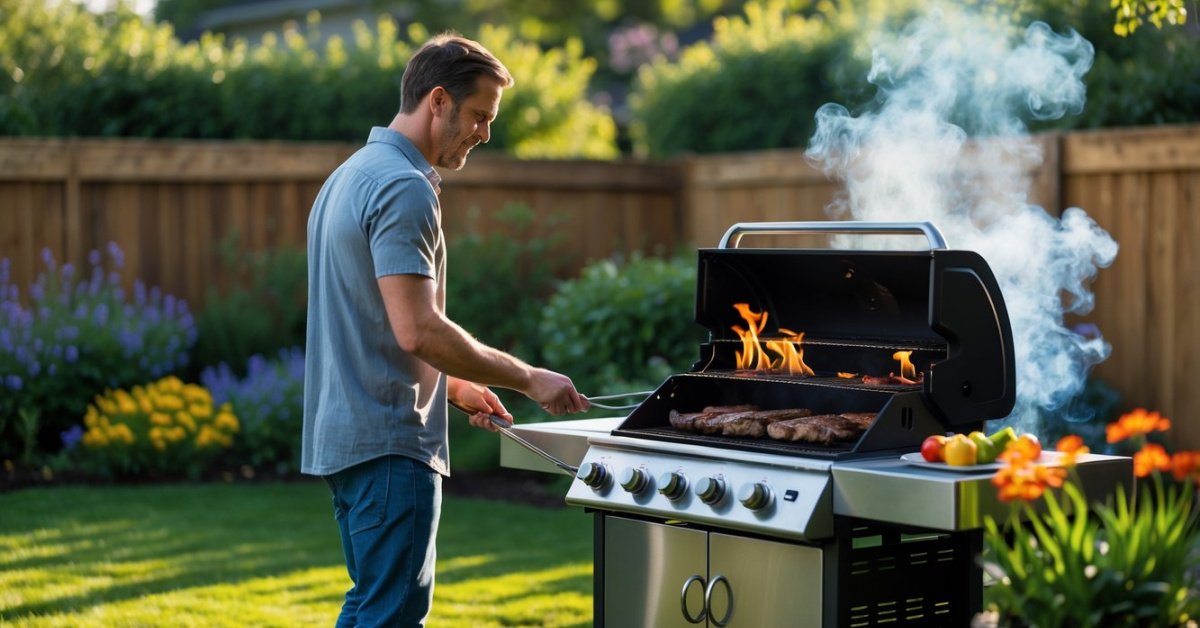
Grilling seafood always feels like a treat but getting it just right can be tricky. I know how easy it is to overcook delicate fish or undercook shrimp when the heat’s high and timing matters. That’s where the right thermometer steps in—it takes the guesswork out and helps me serve up perfectly cooked seafood every time.
With so many thermometers out there it’s tough to know which one fits my grilling style best. I want something accurate fast and easy to use even when I’m juggling other dishes. Finding the perfect thermometer makes grilling seafood way less stressful and a lot more fun.
Why a Reliable Thermometer Matters for Grilling Seafood
Using a reliable thermometer transforms grilling seafood. I noticed that even a few degrees make a big difference, especially with delicate fish like salmon and shrimp. Perfect doneness happens in a narrow range, often between 120°F and 140°F for different species, based on guidelines from the USDA and NOAA.
Avoiding overcooked or undercooked seafood relies on accuracy. Many store-bought probes I’ve tested give inaccurate readings or slow updates, which can lead to dry, rubbery fillets or even potential food safety risks from undercooking. With precise thermometers, I hit the sweet spot every time, even with tricky cuts like swordfish steaks.
Quick readings are vital when I’m grilling multiple seafood items at once. I move fast during a busy barbecue, often checking lobster tails, scallops, and smaller fillets back-to-back. Thermometers with fast response times help me manage several pieces without letting temperatures fall out of range, keeping everything juicy and safe.
User-friendly thermometers help simplify busy grilling sessions. I select models with easy-to-read digital displays and intuitive controls so I can focus on flavor instead of fumbling with buttons. OLED backlit screens, waterproof housings, and strong battery life become critical features when grilling outdoors.
Consistent temperature checks increase food safety. According to the CDC, seafood may contain harmful bacteria or parasites if not cooked thoroughly. I trust accurate thermometers to confirm safe serving temps, especially for high-risk seafood like oysters or clams.
Grilling seafood with a reliable thermometer lets me enjoy better control, maximize flavor, and keep everyone safe at the table.
Key Features to Look for in a Seafood Grilling Thermometer
Choosing the right seafood grilling thermometer lets me dial in the perfect doneness and keep every fillet flavorful. I always focus on four key features that handle the demands of seafood grilling.
Temperature Range and Accuracy
Reliable thermometers target the typical seafood temperature range of 120°F to 140°F. I check accuracy, since even a 2°F error throws off results for salmon or shrimp. Models like ThermoWorks Thermapen or Lavatools Javelin show ±0.7°F accuracy, which helps when I want consistency across batches.
Probe Design and Material
Sturdy probe designs with thin tips pierce seafood gently, minimizing damage to delicate fillets—examples include 1.5 mm tapered stainless steel probes. I favor food-grade stainless steel probes since they resist corrosion from both salt and marinades. Foldable or detachable probe designs reduce the chance of accidental burns moving around the grill.
Speed of Reading
Fast readings mean less time with the lid open, which keeps the grill temperature steady and the fish moist. I look for thermometers with reading times under 3 seconds—Thermapen ONE and CDN ProAccurate deliver this speed—so I can quickly check multiple pieces at once when grilling oysters, scallops, or shrimp skewers.
Durability and Water Resistance
Seafood grilling often gets messy with splashes and steam. Durable, water-resistant thermometers (such as IP66 or IP67 rated models) function well in humid or rainy backyard conditions. I pay attention to reinforced casings and gasket seals for protection against accidental drops and exposure to sauces or brines, since cleaning up after a grilling marathon takes its toll on cheaper tools.
Types of Thermometers for Grilling Seafood
Picking the right thermometer for grilling seafood makes dialing in perfect doneness much easier. I’ve tested dozens while grilling everything from Gulf shrimp to cedar plank salmon, and the right type always helps manage delicate flavors and tricky textures.
Instant-Read Thermometers
Instant-read thermometers measure internal temperature in seconds when inserted into thickest fillets, scallops, or crustaceans. I grab my Thermapen or Javelin when grilling small batches because a quick temp check—usually within 2-4 seconds—lets me avoid drying out snapper or overcooking shrimp skewers. Thin-tipped stainless steel probes work best for seafood, as they slip into thin fillets or shrimp without shredding the flesh. Waterproof bodies help when handling juicy or oily seafood. I rely on instant-reads for speed and pinpoint accuracy every time I open the grill.
Leave-In Probe Thermometers
Leave-in probe thermometers monitor temperature continuously while fish, lobster, or mixed seafood bake or grill indirectly. I use wired digital models like the ThermoPro or wireless setups from MEATER when cooking big salmon filets or whole fish, where monitoring over longer periods matters. I stick the probe in before closing the lid and track temps remotely—helpful when juggling several items or prepping sauces. Dual-probe options are ideal for grilling different species at once. High heat tolerance and reinforced cables keep them going under lid-down grilling conditions and around splattering juices.
Infrared Thermometers
Infrared thermometers instantly measure surface temperatures without contacting the seafood. I use them for quick checks on grill grates before adding fish or to verify the searing zone’s heat. They don’t read inside the flesh, but targeting the right surface temp—like getting a 450°F grate for perfect skin crisping—helps control initial cooking and keeps sticking at bay. I use infrared models like the Etekcity Lasergrip for consistent grilling surface results during seafood cooks.
Tips for Using a Thermometer When Grilling Seafood
I rely on a quality thermometer every time I grill seafood, whether I’m flash-grilling shrimp or slow-cooking whole salmon. Accurate readings and good habits help me nail doneness and guarantee food safety.
Proper Placement for Accurate Readings
I always insert the probe into the thickest part of the seafood, avoiding bones and grill grates to prevent false readings. On fish fillets like halibut or salmon, I aim for the center of the thickest section. For shellfish such as shrimp or scallops, I pierce sideways into the body for the most precise reading. I let the thermometer stabilize for 2 to 3 seconds on instant-read models like the Thermapen before reading the number, since moving the probe too soon can lead to inconsistent results. On larger pieces, I check more than one spot to confirm the entire portion meets the safe cooking temperature.
Cleaning and Maintenance
I clean my thermometer probe with hot, soapy water and sanitize it after each use, since seafood can carry bacteria like Vibrio or Salmonella. I avoid immersing digital display units in water to protect their electronic components. I regularly wipe the probe with a food-safe disinfecting wipe if I’m grilling different types of seafood back-to-back, preventing cross-contamination between items like oysters and shrimp. I occasionally inspect the battery compartment and replace batteries as needed to keep readings accurate and reliable. I store my thermometer away from direct heat and rain when not in use to extend its life, especially since grilling sessions can get messy around the pit.
Top Recommendations for Seafood Grilling Thermometers
I rely on precision with every seafood grilling session, so my top thermometer picks all hit critical marks for accuracy, speed, and user experience. These models consistently outperform others when grilling everything from snapper fillets to shrimp skewers on my backyard grill.
1. ThermoWorks Thermapen ONE
- The ThermoWorks Thermapen ONE’s ultra-fast readout (1–2 seconds) and ±0.5°F accuracy keep me from overcooking delicate fish like halibut.
- Its backlit rotating display lets me check temps easily even at dusk.
- The waterproof, robust body handles plenty of grill-side splashes and occasional drops.
2. Lavatools Javelin PRO Duo
- The Lavatools Javelin PRO Duo gives a 2–3 second reading with high precision in the critical 120°F–140°F range, so I can pull salmon at just the right time.
- The slim tip is perfect for thin fillets, reducing visible punctures.
- Its large display and antimicrobial coating help me maintain safety and clarity.
3. ThermoPro TP19H
- The ThermoPro TP19H balances affordability and accuracy, making it my go-to for larger cookouts.
- I get quick readings (under 3 seconds) and enjoy waterproofing for easy cleanup.
- Its magnet lets me store it on the grill, keeping it handy during a busy service.
4. MEATER Plus
- The MEATER Plus is my favorite for whole fish on the grill thanks to its wireless probe that tracks both internal and ambient grill temperatures via smartphone.
- This feature lets me check doneness without opening the lid constantly, keeping heat stable.
- The app provides guided cooking, which I find useful if I’m multitasking with multiple seafood dishes.
5. ThermoWorks Smoke X2
- The ThermoWorks Smoke X2 excels with leave-in dual probes that monitor thick swordfish steaks and ambient temperature simultaneously.
- The remote receiver has a range of up to 6,500 feet, letting me mingle with guests while keeping tabs on my fish.
- I trust its robust build for both outdoor and indoor seafood grilling sessions.
Comparison Table: Seafood Grilling Thermometer Features
| Model | Read Time (Seconds) | Accuracy (°F) | Water Resistant | Unique Features |
|---|---|---|---|---|
| Thermapen ONE | 1–2 | ±0.5 | Yes | Rotating display, extra-fast sensor |
| Javelin PRO Duo | 2–3 | ±0.9 | Splash-proof | Antimicrobial coating, large display |
| ThermoPro TP19H | <3 | ±0.9 | Yes | Built-in magnet |
| MEATER Plus | ~3 | ±1 | Yes (probe) | Wireless, app integration |
| Smoke X2 | N/A (leave-in) | ±1.8 | Yes | Dual probes, long-range receiver |
I rotate these grill thermometers for seafood based on the situation—checking thin fillets with my Thermapen, tracking a big cedar-plank salmon with the Smoke X2, or managing multiple items with the Javelin Pro. Using the right thermometer elevates each cook and keeps seafood juicy, safe, and flavorful every time.
Conclusion
Choosing the right thermometer has completely changed the way I grill seafood. With the right tool in hand I feel more confident and relaxed knowing I can hit that perfect doneness every time. No more guesswork or overcooked fillets—just juicy flavorful seafood that’s safe to eat and a joy to share.
If you’re serious about grilling seafood I can’t recommend investing in a quality thermometer enough. It’s a small step that makes a big difference and lets you focus on enjoying the grilling experience with friends and family.


