
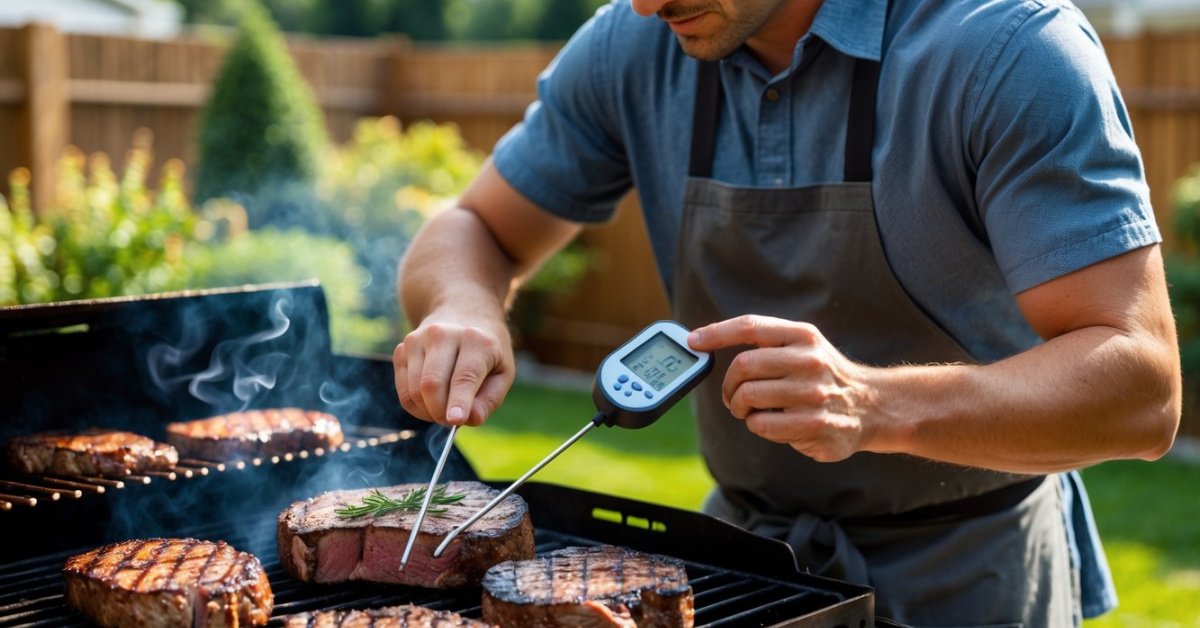
There’s nothing quite like biting into a perfectly grilled steak that’s cooked just the way I like it. But nailing that ideal doneness can feel like a guessing game—especially when I’m relying on the old poke test or just eyeballing the color. That’s where a trusty thermometer comes in and takes all the stress out of grilling.
Using a thermometer lets me grill with confidence and serve up steak that’s juicy and delicious every time. I don’t have to worry about overcooking or serving underdone meat to my guests. It’s a simple tool that makes a big difference and helps me enjoy the grilling process even more.
Why Using a Thermometer Matters When Grilling Steak
Precision enhances steak doneness. I get consistent results every time by checking the internal temperature rather than guessing or pressing the meat. The ideal steak temperature varies—125°F for rare, 135°F for medium-rare, 145°F for medium, and so on, according to USDA guidelines. I reach the exact doneness, not just a close estimate, for every grill session.
Juiciness depends on not overcooking. Too much time on the grill dries out even the best cut. I pull the steak at the right temperature every time with a thermometer, which means each steak stays tender and juicy.
Food safety connects directly to temperature. Undercooked steak carries bacteria risks, especially with thicker cuts like ribeye or porterhouse. I confirm safe minimum temperatures without cutting into the meat or losing juices, following USDA-recommended ranges.
Confidence grows with a thermometer. Before I relied on one, I’d stress about whether the steak was raw inside or drying out on the grill. Now, temperature checks back me up, so I enjoy the grilling more—whether I’m cooking for myself or a crowd.
Choosing the Right Thermometer for Grilling Steak
Finding the right thermometer transforms how I grill steak. My years running a Texas bbq cart showed me that the right tool makes all the difference for juicy, perfectly cooked meat.
Types of Meat Thermometers
I use different thermometers based on the grilling setup and steak thickness.
- Instant-Read Thermometers
Give quick, accurate readings after inserting the probe for 2-4 seconds. I rely on these for thinner cuts like flank or strip steak where timing is tight.
- Leave-In Probe Thermometers
Stay in the steak throughout the cook, with a cable and digital readout outside the grill. I use these for thick ribeyes or reverse-searing when I want constant temperature updates.
- Wireless Smart Thermometers
Sync to my phone or Bluetooth device, tracking temperature from anywhere within 100 feet or more—handy when I’m juggling multiple grill zones or recipes.
- Dial (Analog) Thermometers
Less precise than digital models and slower to update, but don’t require batteries. I only use these as a backup, preferring digital speed and accuracy.
Features to Look For
My favorite grilling thermometers all share certain features that save me time and stress.
- Fast Response Time
Read the temperature in under 5 seconds to minimize grill lid opening and heat loss.
- High Accuracy
Stay within ±2°F. My steak recipes count on this, especially for medium rare or rare.
- Clear Digital Display
Use backlit screens for nighttime grilling and easy-to-read numbers even over a smoky fire.
- Water Resistance
Withstand sauce splashes, rain, and the occasional dropped tool during busy grilling sessions.
- Preset Doneness Settings
Help by alerting when steak reaches the doneness I select—medium rare, medium, or well done—eliminating second-guessing.
- Long Probe Length
Reach the thickest part of steaks for an accurate core reading, especially with bone-in cuts like T-bones.
Access to the right thermometer lets me grill any steak to order, making backyard bbq as foolproof as any professional kitchen.
Step-By-Step Guide to Using a Thermometer to Grill Steak to Your Desired Doneness
Grilling steak with a thermometer guarantees consistent results every time. I like sharing what works best for locking in steak flavor and hitting your preferred doneness.
Preparing Your Steak and Grill
I start by patting each steak dry with paper towels, seasoning both sides, and letting it rest at room temperature for about 30 minutes. Dry steaks sear better, which boosts flavor. I preheat my grill to 450–500°F for direct-heat searing; for thicker cuts (ribeye, strip, filet mignon), I set up a two-zone fire so I can finish them using indirect heat if needed. Clean grates with a grill brush to avoid residue interfering with an accurate temperature reading.
Inserting the Thermometer Properly
I insert the thermometer probe into the thickest part of the steak, avoiding bones, gristle, or fat pockets. With thicker cuts, I push the probe in from the side toward the steak’s core, which helps get the truest reading. I make sure the tip is centered—touching a hot pan or grill grate gives a false high reading and ruins reliability.
Monitoring and Interpreting Temperatures
I check temperature about halfway through searing the second side, using the correct USDA temperature guidelines for each doneness level. I rely on the table below as my grilling reference:
| Doneness | Temperature to Remove | Final Temp (rested) |
|---|---|---|
| Rare | 120°F–125°F | 125°F–130°F |
| Medium Rare | 125°F–130°F | 130°F–135°F |
| Medium | 135°F–140°F | 140°F–145°F |
| Medium Well | 145°F–150°F | 150°F–155°F |
| Well Done | 155°F–160°F | 160°F+ |
I remove the steak from the grill when the thermometer reads just below the target doneness—carryover heat adds about 5°F as it rests. I let steaks rest for 5–10 minutes, which keeps the juices locked in and texture perfect. My approach hasn’t failed me, even when grilling dozens of ribeyes at a food cart or hosting cookouts for friends and family.
Temperature Guidelines for Steak Doneness
Getting steak doneness right comes down to precise internal temperatures. I use my thermometer on every steak I grill, whether I’m running a backyard BBQ or testing recipes for friends.
Rare, Medium Rare, Medium, and Beyond
Temperature targets for steak doneness keep things consistent. I grilled hundreds of cuts in my Texas food cart, and sticking to these numbers always delivered the best results:
| Doneness Level | Fahrenheit (°F) | Celsius (°C) | Example Characteristics |
|---|---|---|---|
| Rare | 120-125 | 49-52 | Cool, red center, soft and tender |
| Medium Rare | 130-135 | 54-57 | Warm, red center, juicy, slightly firm |
| Medium | 140-145 | 60-63 | Warm, pink center, firmer bite |
| Medium Well | 150-155 | 65-68 | Hot, slight pink, drier texture |
| Well Done | 160+ | 71+ | Brown throughout, least juicy |
I aim for medium rare on ribeyes and strip steaks, keeping the center rich and juicy. For medium, I spot-check thick cuts like porterhouse to avoid overcooking. People who love well-done might need a few more degrees, but high-heat searing helps hold some moisture.
Resting the Steak After Grilling
Resting a steak keeps juices sealed inside instead of running out on the board. I let steaks rest for 5–10 minutes right after pulling them off the grill—carryover heat brings the temperature up about 5°F. I place them on a warm plate and loosely tent with foil, avoiding a tight wrap so the crust doesn’t steam. This simple pause consistently improves texture and juiciness, even with thin cuts like flank or skirt steak.
Common Mistakes to Avoid When Using a Thermometer
- Checking Temperature Too Soon or Too Late
Waiting for the right moment matters when grilling steak with a thermometer. I check the internal temperature close to the end of cooking, since checking too early gives misleading readings, while checking too late risks overcooking. Only probing when the steak nears its target doneness, like 120–125°F (49–52°C) for rare, gives an accurate picture.
- Probing the Wrong Spot on the Steak
Placement of the thermometer probe affects accuracy. I insert the tip into the thickest part of the steak, avoiding fat or bone, since thinner edges and fatty portions heat up faster and can throw off readings. Centering the probe in the thickest section, especially with a strip steak or ribeye, gives the truest doneness reading.
- Not Calibrating or Testing the Thermometer
Calibration can influence consistency in steak grilling. I test my thermometer every month using the ice water and boiling water methods, since inaccurate thermometers lead to missed doneness targets. Even the priciest instant-reads lose calibration over time.
- Leaving the Thermometer in During Grilling (Unless It’s a Leave-In Model)
Choice of thermometer matters. I use only leave-in probe thermometers for continuous readings, since most instant-read designs aren’t built to withstand direct grill heat and might melt or become damaged if left inside.
- Not Cleaning the Probe Between Steaks
Sanitation plays a role in grilling with thermometers. I always wipe the probe with a clean towel or sanitize between testing steaks, since bacteria from raw steak can transfer between cuts and affect food safety.
- Ignoring Carryover Cooking
Carryover effect influences the final steak temperature. I pull steaks off the grill almost 5°F (3°C) below the target temperature, since resting allows temperatures to climb as juices settle. If I don’t compensate, I risk overshooting my doneness level, especially on thick cuts.
- Not Waiting for a Stable Reading
Stability of the reading determines grilling accuracy. I wait a few seconds until the numbers stop changing, since reading too fast often produces an under- or over-estimate of the real temperature at the steak’s core.
Remembering these pointers, based on countless briskets and ribeyes I’ve cooked both at my Texas food cart and at home, keeps each steak juicy, safe, and grilled exactly to order.
Conclusion
Grilling steak with a thermometer has completely changed how I approach backyard barbecues. I no longer have to guess or worry about overcooking or undercooking my steak. With the right tools and a bit of practice I’ve found that getting the perfect doneness is simple and stress-free.
Now I can focus on enjoying the process and sharing great food with friends and family. If you haven’t tried using a thermometer yet I really recommend giving it a shot—your taste buds will thank you.


