
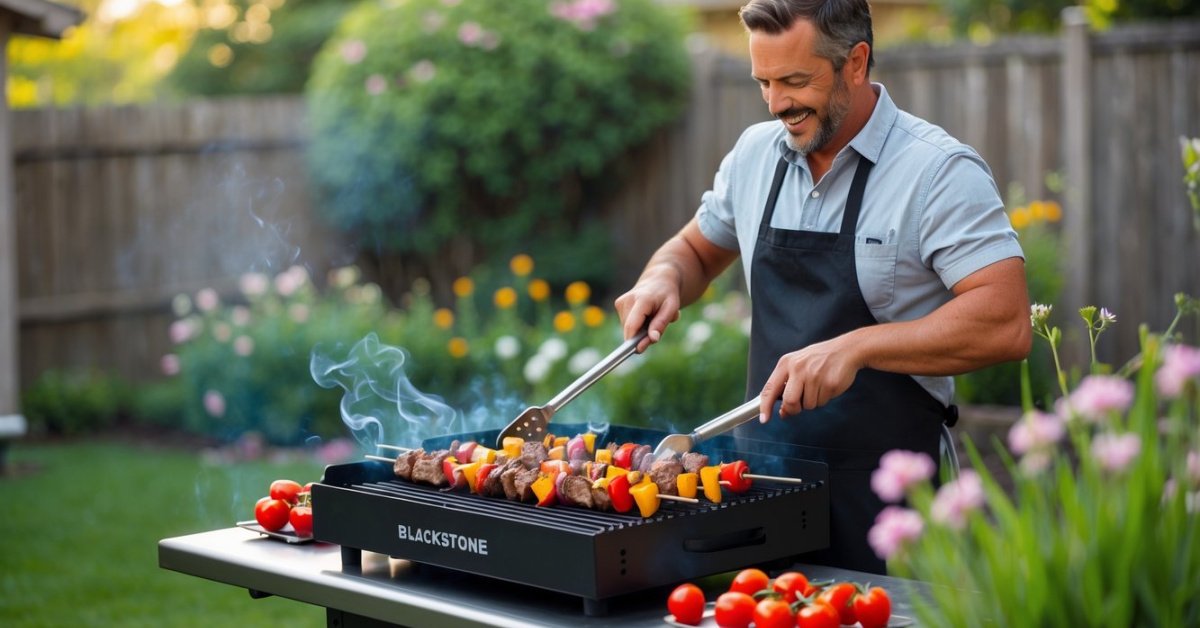
Grilling always feels like a mix of science and art to me. I love the sizzle of meat on a hot grill but guessing if it’s perfectly cooked can be nerve-wracking. That’s where an instant-read thermometer steps in and saves the day.
I’ve found that this simple tool takes the guesswork out of grilling. With just a quick poke I can know exactly when my steak or chicken has reached the ideal temperature. It’s fast easy and lets me focus on enjoying the process—and the delicious results.
Understanding Instant-Read Thermometers
Instant-read thermometers measure food temperature fast, which makes grilling much simpler. I rely on these tools every time I want quick, accurate results over hot coals or wood fire.
Key Features and Design
Instant-read thermometers feature a thin, sharp metal probe connected to either a digital or analog display. I find digital models display temperature in just 2–4 seconds, while analog dials take closer to 20 seconds. Most probes range in length from 4 to 6 inches, ensuring I reach the thickest part of any steak, brisket, or chicken breast. Water-resistant bodies, easy-to-read screens, and auto-off features come standard in quality models like the ThermoWorks Thermapen and the Lavatools Javelin. Many designs include a wide measurement range, such as -58°F to 572°F, covering anything from chilled dough to smoking-hot ribs.
Types of Instant-Read Thermometers
I use two main types when testing for doneness. Digital instant-read thermometers give numerical readouts and often include features like backlighting and rotating screens; common brands include ThermoPro and Maverick. Analog instant-read thermometers display temperature with a dial and a needle (example: Taylor’s classic stainless steel thermometer). Digital types dominate competitive BBQ, thanks to their speed and precision, but some old-school pitmasters trust the analog models’ mechanical reliability over open flames. Both types fit seamlessly in grilling toolkits and deliver portable, pocket-sized utility.
How Instant-Read Thermometers Work
Instant-read thermometers save me time and guesswork on the grill. These tools make it easy to get real-time food temperatures so I can serve perfect brisket, steak, or chicken every single cookout.
Basic Operating Principles
Instant-read thermometers use a metal probe to measure the internal temperature of food. I insert the thin tip into the thickest part of the meat, making sure it avoids bone and fat for an accurate reading. The probe senses the heat and sends a signal to the display—digital types show the number on a screen, while analog models move a needle on a dial. My digital models run on batteries, activating as soon as the tip detects heat. Analog units use a bimetallic coil inside the stem to physically move the pointer.
Accuracy and Response Time
Instant-read thermometers report temperatures with high accuracy. My preferred digital models often claim a margin of error within ±1.8°F (±1°C), based on NIST standards and reviews from ThermoWorks and America’s Test Kitchen. Fast response times matter when I’m cooking high-heat proteins like skirt steak or delicate fish fillets. Digital styles give me readings in 2–4 seconds; analog versions can take 20 seconds to stabilize. Quick checks mean the grill lid stays closed, so heat and smoke don’t escape and affect my results.
Here’s a look at comparative stats:
| Thermometer Type | Average Accuracy | Response Time (seconds) |
|---|---|---|
| Digital | ±1.8°F | 2–4 |
| Analog | ±2°F | 15–20 |
I rely on these readings to serve everything from Texas-style brisket to quick-seared kebabs, making sure each bite hits that ideal doneness every time.
Benefits of Using an Instant-Read Thermometer for Grilling
Grilling with instant-read thermometers transforms the cooking process. I rely on these tools for precision, confidence, and better results—whether I’m handling brisket, chicken, or delicate fish.
Achieving Perfect Doneness
Reaching ideal doneness every time comes easily with instant-read thermometers. I check internal temperature at a glance, using USDA doneness guidelines as a reference [source: USDA.gov]. For instance, I pull steaks off at 130°F for medium-rare or ensure pork chops hit 145°F. Consistent results mean nobody gets undercooked or overdone meat.
Maintaining even doneness across different meats, such as bone-in chicken thighs or thick ribs, becomes straightforward. I no longer depend on guesswork or “by feel”—temperature data guides every move on the grill.
Improving Food Safety
Checking food safety with an instant-read thermometer minimizes health risks. Undercooked meat, especially poultry and pork, can carry harmful bacteria like Salmonella or Trichinella [source: CDC.gov]. I always insert the probe into the thickest part, away from bone, to get an accurate core temperature.
Confirming chicken has reached 165°F or sausages have hit 160°F ensures nothing leaves my grill before it’s safe. My BBQ food cart days taught me that reliable temperature checks mean happy, healthy customers and great reviews. Instant-read thermometers give me assurance, batch after batch.
Tips for Using an Instant-Read Thermometer While Grilling
Grilling with an instant-read thermometer gets easy with the right approach. I pick up detail from years on my Texas food cart and testing every tool on the market.
Proper Placement and Technique
Accurate readings depend on probe placement. I insert the thermometer into the thickest part of the meat, avoiding bones, fat pockets, and grill grates, since those areas skew results. For chicken breasts and whole birds, I push the probe into the deepest section near the center. For steaks or brisket, I insert sideways into the thickest point, not from the top. I always wait for the display to stabilize—digital models take 2–4 seconds. After every use, I wipe the probe with a damp towel or sanitize with alcohol to prevent cross-contamination.
Common Mistakes to Avoid
Inaccurate results come from improper technique. I avoid taking readings right next to bone or fat, since they conduct heat differently and don’t reflect doneness. I never leave the thermometer in the meat with the grill closed—instant-read models measure quickly and aren’t designed to withstand constant heat. When checking thin cuts like sausages or wings, I angle the probe to reach the center without poking through. Consistently checking in multiple spots for large cuts like brisket helps me catch any cold spots and hit my target temp every time.
Conclusion
Grilling should be fun and stress-free and that’s exactly what an instant-read thermometer brings to the table. I find that having one on hand lets me focus on enjoying the process instead of worrying about whether my food is cooked just right.
With a little practice and the right tool it’s easy to serve up delicious safe meals every time. If you haven’t tried using an instant-read thermometer yet give it a shot—your grill game will thank you.


