
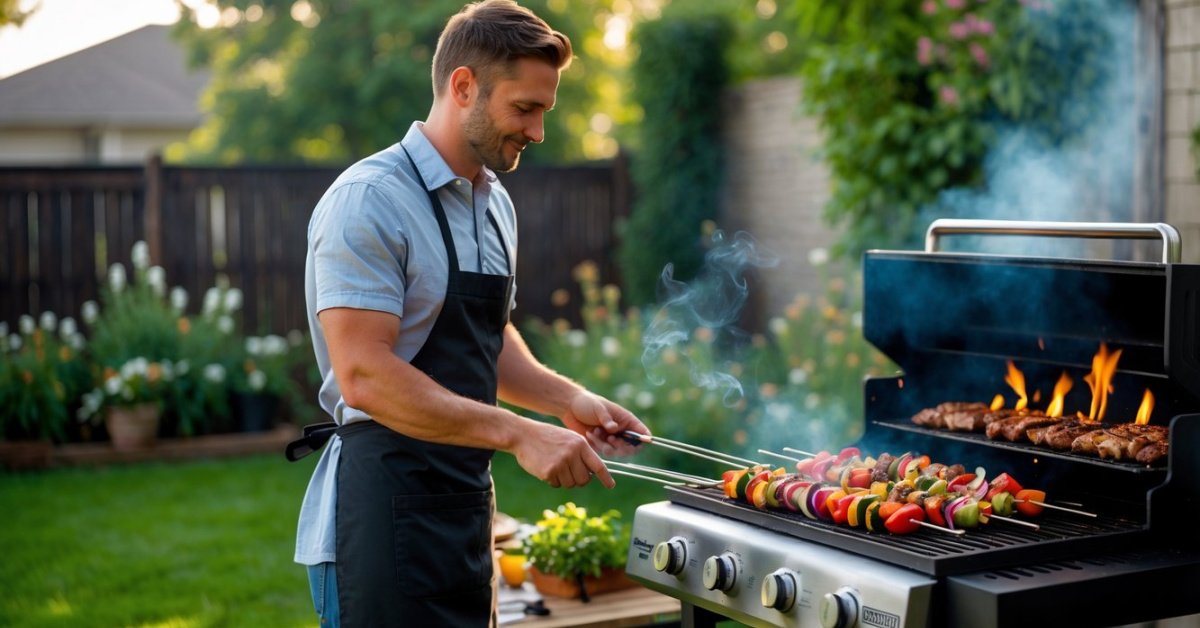
Whenever I fire up the grill, I always reach for my trusty thermometer. It’s hard to imagine perfect barbecue without that little tool, but grilling thermometers haven’t always been as sleek or reliable as the ones we use today. In fact, their journey from simple dials to high-tech digital gadgets is pretty fascinating.
I love thinking about how much easier grilling has become thanks to these innovations. Gone are the days of guessing if the steak’s done or poking at chicken to see if it’s cooked through. The evolution of grilling thermometers has changed the way I cook outdoors, making every meal safer and tastier.
The Origins of Grilling Thermometers
Grilling thermometers started showing up with the rise of home grilling in the early 20th century. Makers of kitchen equipment first adapted oven-safe dial thermometers for outdoor use when backyard grilling gained popularity. Early dial thermometers used a bi-metallic coil, which I’ve found inside several vintage models from estate sales and old barbecue joints across Texas. This simple mechanism twists as its metals expand at different rates, moving the needle to show temperature.
Companies like Taylor and Polder released grill-ready thermometers in the 1930s and 1940s to meet demand from home cooks hunting for consistent doneness. Rare originals from that era often feature rugged stainless steel housings and glass faces—some still in use today by collectors and pitmasters who enjoy classic techniques.
These first grilling thermometers weren’t highly accurate—readings could vary by up to 20°F—but they offered a better alternative to cutting into meat or relying on experience alone. Early grillers mostly checked thicker cuts like brisket or pork shoulder, laying groundwork for the detailed recipes now popular in modern bbq circles.
Adoption remained slow until the postwar grilling boom in the 1950s, when backyard cookouts and steak nights became cultural staples. That surge inspired new thermometer models with longer probes, larger dials, and higher-heat tolerances to handle open fire environments. I’ve come across several Texas-made thermometers stamped with local branding, showing how regional barbecue traditions influenced thermometer designs nationwide.
These originals paved the way for the precise digital tools I use in my kitchen and backyard today, but their mechanical roots still shape how I approach every low-and-slow cook or quick steak sear.
The Rise of Dial Thermometers
Dial thermometers first gained traction in the grilling world when backyard chefs, like me, wanted a reliable way to check doneness without cutting into meat. These classic tools have been a staple on my grill station since my food cart days in Texas.
How Dial Thermometers Work
Dial thermometers, which rely on a bi-metallic coil mechanism, measure internal temperature through thermal expansion. The metal probe absorbs heat from the meat, causing the coil to twist and move the needle on the dial face. Most models, including ones I’ve used for brisket and pork shoulder, feature a simple analog face that displays a temperature readout, usually in both Fahrenheit and Celsius. The probe length, often 5-8 inches, lets me check thick cuts like roasts or chicken with minimal juice loss. This design remains unchanged in most grill dial thermometers sold today.
Popularity and Limitations
Grilling fans embraced dial thermometers in the 1950s, especially during the postwar backyard BBQ surge across Texas, Kansas City, and Memphis. I remember seeing these on vintage smokers and classic Weber grills at every cook-off. Their quick-read nature and budget-friendly price made them accessible to most home grillers.
Despite their widespread adoption, dial thermometers carry certain drawbacks. Accuracy often varies, with some off by 10-20°F, especially when not calibrated or used at lower temperatures. I’ve swapped out plenty of dials after slow cooks when readings just didn’t match the real doneness. Response time typically takes 15-30 seconds, which can lead to heat loss if you check repeatedly. The analog face can fade in sunlight, making quick glances tougher during outdoor cookouts. Most dial models can’t remain in the grill for hours—they’re meant for spot checks, not continuous monitoring.
Advancements in Technology: The Move Toward Digital
Digital technology changed grilling thermometers in ways that most backyard cooks, like me, couldn’t have dreamed up during the dial era. Grilling sessions turned more precise, giving anyone the ability to hit exact temps with modern tools.
Early Digital Thermometers
Early digital thermometers hit the backyard grilling scene in the late 1980s. I remember seeing the first LCD displays—simple, but way easier to read compared to dials. These models often needed a few minutes to stabilize, unlike today’s options. Most used thermistor sensors, measuring heat by tracking resistance changes electronically, which improved accuracy to about ±2°F. Brands like Taylor and Maverick launched some of the earliest mass-market options, mostly in handheld probe styles.
Key Improvements Over Dial Models
Digital thermometers brought major benefits over bi-metallic dial versions:
- Accuracy: Digital sensors cut temperature errors down to a degree or two, while dials sometimes missed by 10°F or more, especially on thick briskets or pork shoulders.
- Speed: Digital units deliver readings within 3 to 10 seconds. In Texas summers, saving that extra minute means meat spends less time with the lid open.
- Visibility: I can easily read temperatures day or night on a backlit digital display—unlike trying to catch a reflection off a dial during a sunset cook.
- Features: Programmable alarms, wireless connectivity, and min/max memory functions came with new digital thermometers. Devices like the ThermoWorks Thermapen or Weber iGrill let me monitor temps from across the yard.
- Durability: Waterproofing and tougher probe materials stand up to the demands of my busy cookouts, which dial thermometers just couldn’t take.
With these upgrades, digital thermometers made it possible to consistently craft great barbecue, whether I’m checking racks of ribs or making quick burgers for the neighborhood.
Modern Innovations in Grilling Thermometers
Modern grilling thermometers combine precision, speed, and smart features that make outdoor cooking easier and more enjoyable. As someone obsessed with perfect doneness and consistent results, I’ve seen these innovations transform backyard barbecue.
Wireless and Smart Thermometers
Wireless and smart grilling thermometers connect directly to smartphones and tablets using Bluetooth or Wi-Fi, adding another layer of convenience. I can monitor ribs, briskets, or burgers from inside my kitchen or across the yard. Top brands like ThermoWorks, MEATER, and Weber offer multi-probe units, so I track several cuts at once. Many devices, like the MEATER Plus, send cooking alerts and doneness notifications straight to my phone, which helps when I’m distracted by guests or prepping sides. Some smart thermometers include guided cook modes, providing step-by-step instructions based on meat type and thickness—useful for beginners and pros alike.
Features and Benefits of Today’s Models
Modern grilling thermometers feature speed, accuracy, and durability. Instant-read models now measure temperatures in under 3 seconds with precision down to ±0.7°F, which eliminates the guesswork for steaks and chops. Many probes withstand high heat, up to 572°F, perfect for searing over open flame. Easy-to-read backlit displays stay visible during daytime, dusk, or late-night cooks. Waterproof ratings and magnetic backs keep these tools ready for any environment. Most digital units store historical temps, chart progress, and offer preset alarms for safe meat doneness, using USDA recommendations. With smart tech, achieving repeatable results—even on complicated slow-smoked briskets—has never been simpler.
The Impact on Grilling Culture and Cooking Accuracy
Grilling thermometers have reshaped outdoor cooking, influencing BBQ gatherings and everyday grilling routines. I noticed how dial thermometers inspired new confidence among backyard cooks in Texas and beyond. Before reliable temperature readings, people learned by trial and error—sometimes serving tough brisket or dangerously undercooked chicken. With a simple dial thermometer, friends at my old food cart lined up with ribs, steaks, and sausages cooked just right, all thanks to knowing the correct internal readout.
Digital thermometers elevated this confidence even further by making accurate temperature monitoring accessible to everyone. I watched home grillers approach challenging cuts, like pork butt or thick tri-tip, with much less hesitation. When I tested digital models at cookouts, guests consistently pointed out the reliable doneness—whether medium-rare ribeyes or smoked turkey breasts. Consistent doneness improved the overall experience at block parties or contests because no one bit into an overcooked or unsafe bite.
Precise temperature tracking changed how pitmasters and hobbyists approach technique. Advanced thermometers made low-and-slow BBQ more approachable, letting cooks dial in their skills and repeat successful results. Features like probe alarms and mobile app connectivity encouraged people to experiment with larger cuts, longer smokes, or rare recipes, producing quality results again and again.
Improved accuracy and faster readings meant I could serve more customers during busy weekend shifts. At home, I now focus on enhancing flavor instead of worrying about food safety. Community cook-offs reflect this shift—more participants enter creative dishes, trusting their tech to manage temperature variables and letting their recipes shine.
These advances fostered more experimentation and collaboration within grilling communities. Social media groups and forums now feature temperature charts, tech recommendations, and shared food photos, all centering on precise thermometer readings. The communal aspect of grilling became richer once everyone could rely on consistent, safe, and delicious results, no matter the recipe or outdoor grilling style.
Conclusion
Looking back at how far grilling thermometers have come I can’t help but appreciate the blend of tradition and technology that shapes every cookout today. My own experiences with both classic dials and modern digital tools have shown me just how much these gadgets can elevate not only the food but also the fun and confidence that come with grilling.
Whether I’m firing up the grill for a family dinner or experimenting with new recipes for friends I know I can rely on these innovations to help me serve up delicious results every time. The journey from dial to digital isn’t just about better gadgets—it’s about making every cookout a little more enjoyable and a lot more flavorful.


