
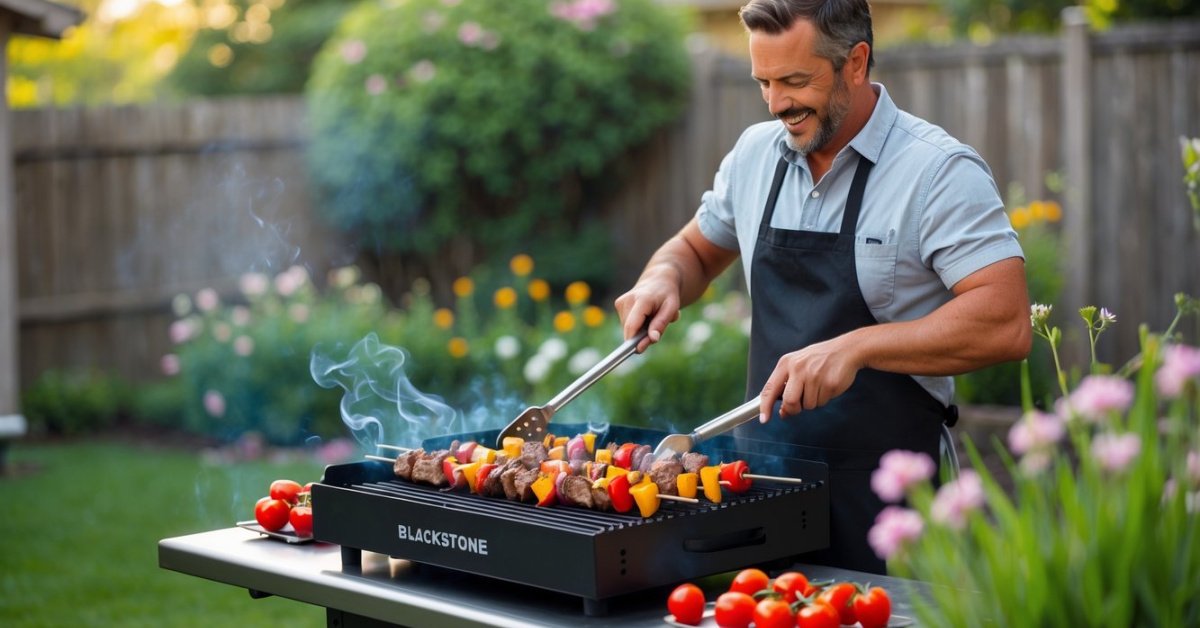
When I’m grilling, precision isn’t just a bonus—it’s essential. Every professional chef knows that hitting the perfect temperature can make or break a dish, whether it’s a juicy steak or delicate fish. That’s why having a reliable grilling thermometer is my secret weapon for flawless results every time.
I’ve tried countless tools over the years and learned that not all thermometers are created equal. Some deliver speed, others offer accuracy, and a few manage to do both. If you’re ready to take your grilling game to the next level, let me share the best grilling thermometers that professional chefs swear by.
What to Look for in a Professional Grilling Thermometer
Consistency in grilling depends on the right thermometer. I always check a few key features before recommending any tool to chefs or BBQ lovers.
Accuracy and Response Time
Accuracy and response time separate good grilling thermometers from great ones. I expect a margin of ±1°F when measuring brisket, salmon, or chicken breasts. Quick readings under 3 seconds help catch temperature shifts fast, which matters when grilling ribeyes over open flame. Brands like ThermoWorks make models often used by top barbecue teams for this reason.
Durability and Build Quality
Sturdy construction defines professional tools. I test thermometers with stainless steel probes and shock-resistant housings since they stand up to grease, drops, and busy kitchens. IP67 or higher waterproofing ratings last through storms and heavy cleaning. Models without solid seals often quit during long Texas BBQ sessions.
Temperature Range and Versatility
Wider temperature ranges support more recipes. I look for devices reading at least 32°F to 572°F to handle everything from dry-aged steaks to smoked pork shoulder. Multipurpose units measure both ambient and food temps, letting me check pit temp and meat doneness with one device.
Probe Design and Length
Probe length and shape impact versatility. Thin, 4- to 6-inch probes reach deep into roasts without making large punctures—key for brisket or racks of ribs. Flexible, dual-probe options let me monitor multiple meats at once, which keeps service running smoothly when crowds hit.
Connectivity and Smart Features
Digital features streamline large-scale cookouts. Bluetooth or Wi-Fi connectivity lets me watch temps from my phone or store historical cooking data. Remote alerts save briskets when I’m prepping sides or greeting guests. Apps from brands like MEATER and Weber simplify temperature tracking across multiple grills at once.
Top Picks: The Best Grilling Thermometers for Professional Chefs
Grilling success depends on tools that deliver fast and reliable results. Professional chefs trust only a few grilling thermometers to meet their exacting standards.
ThermoWorks Thermapen ONE
Speed, precision, and rugged design define the Thermapen ONE. I rely on its 1-second readout and ±0.5°F accuracy during high-volume events or backyard brisket sessions. The waterproof body and large rotating display handle intense wood smoke and heavy hands. ThermoWorks claims a 3000-hour battery life, which matches my multi-week runs without recharging. I reach for this thermometer when every second counts on a busy pit.
MEATER Block Wireless Smart Meat Thermometer
Wireless freedom and advanced tracking stand out with the MEATER Block. Four completely wireless probes send temperature readings to a base station and onto my phone via Wi-Fi or Bluetooth. I track brisket, ribs, salmon, and chicken at once for family cookouts or while experimenting with new recipes. The MEATER app offers real-time graphs and estimated finish times, giving me control to walk away and still nail each cook.
Lavatools Javelin PRO Duo
Quick, dependable, and compact, the Javelin PRO Duo balances speed and value. Its ambidextrous display rotates automatically, letting me check temp from any angle—a bonus during evening pop-ups at my old Texas BBQ cart. Javelin clocks ~2-3 second response times and is accurate within ±0.9°F. Its magnetic back keeps it at hand on my grill while the splash-proof body shakes off sauce, grease, and rain.
FireBoard 2 Drive
Advanced pit control and Wi-Fi connectivity put the FireBoard 2 Drive in a league of its own. This system monitors up to 6 temperatures with cabled probes. I keep brisket, pork shoulder, the grill grate, and even ambient temps under constant watch. Graphing on the FireBoard app lets me review trend lines and make minute adjustments. The Drive model controls compatible blower fans, so I manage pit temperature remotely with precise input, which is critical for long overnight smokes.
Weber iGrill 2
Favorite among Weber fans, the iGrill 2 integrates with the Weber Connect app and supports up to four probes. I utilize it when running multiple racks of ribs or mixed protein platters. Bluetooth connectivity keeps me posted on my phone up to 150 feet away. Setting temp alarms through the app frees me to prep sides and sauces without babysitting the pit. The LED display and strong magnet simplify setup, making it a practical upgrade for many home grilling stations.
| Model | Accuracy | Response Time | Wireless | Max Probes | App Integration | Specialty |
|---|---|---|---|---|---|---|
| ThermoWorks Thermapen ONE | ±0.5°F | 1 second | No | 1 | None | Fastest, Most Precise |
| MEATER Block | ±1°F | 2-3 seconds | Yes | 4 | iOS, Android | Wireless, Multi-Probe |
| Lavatools Javelin PRO Duo | ±0.9°F | 2-3 seconds | No | 1 | None | Compact, Ambidextrous Display |
| FireBoard 2 Drive | ±1°F | 2-3 seconds | Yes | 6 | iOS, Android, Web | Wi-Fi, Advanced Graphing, Blower |
| Weber iGrill 2 | ±1°F | 3 seconds | Yes | 4 | iOS, Android | Value, App Integration |
Comparing Features and Performance
Precision and reliability mark the difference between good and great grilling thermometers. I test each model under identical grilling conditions to see how they stack up on accuracy, ease, and upkeep.
Precision and Consistency
Accurate readings separate pro-tier thermometers from average ones. Models like the Thermapen ONE and FireBoard 2 Drive show a margin within ±0.5°F, even when flipping thick briskets or thin ribs. I notice that response times under 2 seconds let me check temps fast and avoid heat loss. Wireless units such as the MEATER Block keep signals steady at 165 ft or more, so I track several meats on offset smokers without losing data. Consistent results, especially during 12-hour cooks, let me pull brisket at the right moment every time, which makes all the difference in texture.
Ease of Use
Simple interface design saves time during busy cooks. I choose thermometers with big digital displays and clear backlighting, like the Javelin PRO Duo, for evening grilling sessions. Controls set with a single button—such as for switching between Fahrenheit and Celsius—speed up the process. Bluetooth and Wi-Fi connectivity in models like the FireBoard 2 Drive mean I can monitor temps on my phone while prepping sides. App features that track temperatures and send alerts let me step away from the pit and still keep my BBQ on track, even when managing multiple meats.
Cleaning and Maintenance
Quick cleanup keeps my thermometers ready for the next cook. Stainless steel probes resist stains and survive repeated scrubbing. Many of these models—Thermapen ONE and Weber iGrill 2, for example—feature waterproof housings that handle splashes or quick rinses. Probe cords with a braided design hold up to daily bending and won’t tangle easily. For long hauls, I check that every connection point seals tight, blocking out grease and smoke. Regular battery replacements or USB charging, depending on the model, make sure I don’t get stuck with a dead unit in the middle of a brisket session.
Tips for Getting the Most Out of Your Grilling Thermometer
- Calibrate Regularly
I check my thermometer’s calibration every month using the ice water and boiling water methods. Accurate readings keep briskets and ribs consistent.
- Insert Probes Correctly
I always insert probes into the thickest part of the meat, away from bone or fat. This prevents false readings, especially with steaks or pork shoulders.
- Monitor Ambient Temperature
I use a second probe or built-in grill clip to track the ambient temp at grate level. Consistent ambient readings help manage indirect cooks or slow smoking.
- Avoid Opening the Grill Too Often
I avoid lifting the grill lid repeatedly, since it drops the heat and messes with my cook times. Wireless thermometers let me check temps from a distance.
- Clean After Every Use
I wipe down probes and the body with a damp cloth after every session. Residue and moisture can impact accuracy and shorten thermometer life.
- Replace Batteries Before Big Cooks
I swap out batteries before long sessions like all-day brisket smokes. Dead batteries halfway through a cook ruin timing for events or crowds.
- Log and Review Cook Data
I save temperature logs using app-connected models. Reviewing cook data refines my timing for future briskets, ribs, or chicken.
- Store Properly
I keep my thermometers in a dry, safe spot out of direct sunlight. Proper storage protects electronics and keeps probes rust-free for years.
Conclusion
Choosing the right grilling thermometer has made all the difference in my cooking. With the right tool in hand I can focus on creativity and flavor instead of worrying about undercooked or overdone food. A reliable thermometer isn’t just a gadget—it’s a trusted partner at the grill.
Whether I’m cooking for a crowd or perfecting a new recipe these thermometers help me stay confident and consistent every time. Investing in a high-quality model means I can enjoy grilling with less stress and more delicious results.


