
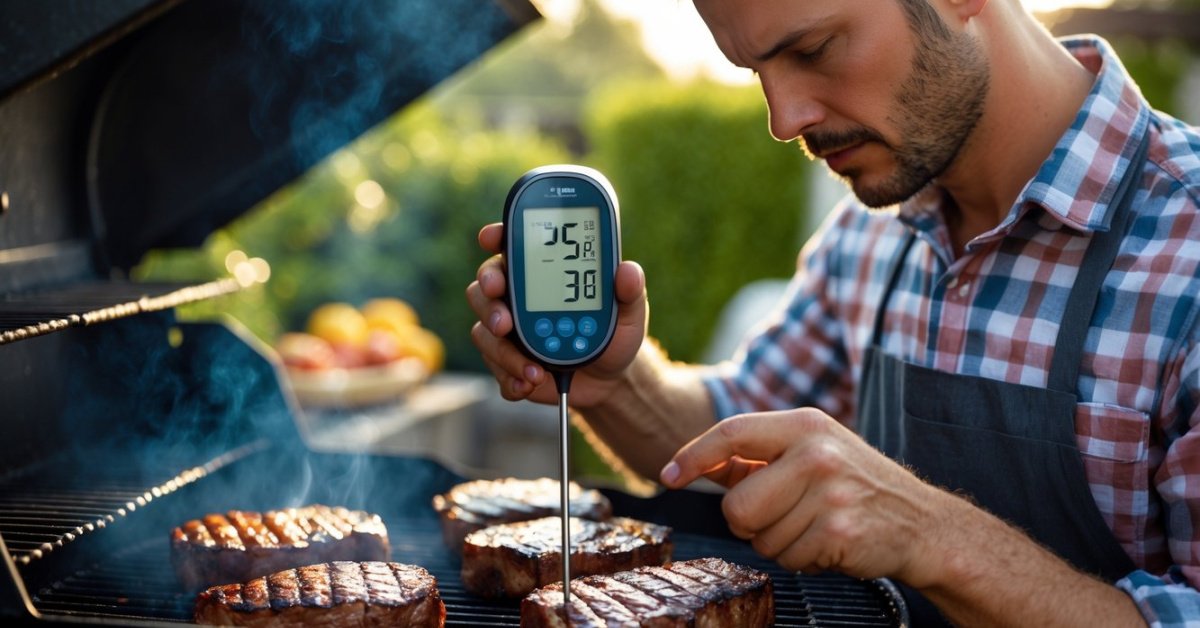
Nothing beats the excitement of firing up the grill for a backyard feast, especially when I’m cooking more than one kind of meat. But juggling different cuts and making sure each one is perfectly done? That can get tricky fast. I’ve learned that a trusty thermometer is my secret weapon for keeping everything juicy and safe to eat.
Grilling multiple meats at once doesn’t have to feel overwhelming. With a few simple tips and the right thermometer, I can serve up burgers, chicken, and steaks—each cooked just the way everyone likes. Let me share how I make it all come together, so you can enjoy stress-free grilling and delicious results every time.
Understanding the Importance of Temperature Control in Grilling
Grilling multiple meats at once makes temperature control essential, especially for food safety and flavor. Each type of meat—like chicken, pork, beef, or sausage—reaches a safe and tasty result at a specific internal temperature. For example, chicken cooks to 165°F, pork reaches 145°F, and medium-rare steak finishes at 135°F, according to USDA guidelines.
Maintaining proper temperature across various meats prevents overcooked steaks or undercooked chicken from ruining a feast. I always notice how the right thermometer speeds up this process. Instead of guessing doneness by look or touch, I rely on precise numbers for each cut. This practice guarantees juicy, tender results while lowering the risk of foodborne illness.
Even in my days running a Texas BBQ food cart, I found temperature accuracy crucial during busy service. When grilling for a crowd, I trust digital thermometers to help me execute orders quickly without compromising on safety or quality. Using a thermometer becomes second nature once you see how much more consistent, flavorful, and safe your plates turn out.
Choosing the Right Thermometer for Grilling Multiple Meats
Finding the best thermometer makes grilling several meats at once smooth and accurate. I focus on models that give fast, reliable readings and help me juggle different cuts at the same time.
Types of Meat Thermometers
I use different types of thermometers based on the grilling setup:
- Instant-read thermometers: Instant-read versions like the ThermoWorks Thermapen ONE measure each meat’s temperature in 2-3 seconds. I use them for quick checks on steaks, burgers, or chops.
- Leave-in probe thermometers: Probe models like the ThermoPro TP-20 let me monitor multiple meats at once. Some have dual or quad probes, so I keep an eye on chicken, ribs, and brisket together.
- Wireless smart thermometers: Wireless options like the MEATER Plus send updates to my phone. I rely on them for longer cooks or when I move away from the grill.
Features to Look For
I’ve tested lots of grill thermometers, and these features make a difference:
- Multiple probes: Multi-probe thermometers help me cook chicken, pork, and beef at the same time, each with its own sensor.
- Fast response time: Read times under 5 seconds stop me from leaving the lid open too long and losing heat.
- Wide temperature range: Ranges from 32°F to 572°F work for everything from delicate fish to thick briskets.
- Accuracy: Precision within ±1.8°F keeps meats like chicken safe at 165°F and steak spot-on at 135°F.
- Backlit display: Grilling late into the evening, I depend on large, backlit screens for easy reading.
- Alarm functions: Timers and alarms alert me when a cut is done, letting me multitask during cookouts.
Choosing a thermometer with these qualities lets me deliver perfect doneness on any meat, even when the grill’s full.
Preparing for Multi-Meat Grilling
Getting set for grilling different meats at once calls for a system that keeps temps accurate and flavors distinct. I rely on a setup that makes thermometer use fast and effective, every time I grill.
Organizing Your Grill Setup
I arrange my grill for both direct and indirect heat zones so each meat gets the right cooking method. I place thicker cuts—examples are brisket and bone-in chicken—near the cooler side, while thinner meats like pork chops or hot dogs sit over direct heat. I keep grill tools close by and organize probe cables away from high flames to prevent damage or false readings. I use grill racks or veggie baskets to separate different meats, keeping juices from mingling. This routine lets me quickly insert thermometer probes or do instant checks without moving hot food around too much.
Prepping Meats for Simultaneous Cooking
I season and portion all meats before lighting the grill, prepping each type in batches—examples include racks of ribs, burger patties, or sausage links. I choose similar sizes for cuts in a group so they cook evenly at the same temp. I track starting weights and assign a probe or instant-read to each batch, labeling probes or making a mental note by order on the grill. If a probe supports it, I set alerts for each meat’s ideal finished temp—like 165°F for chicken or 135°F for steak. I pat surfaces dry for better browning and mark fatty or thicker cuts for longer monitoring, ensuring I get accurate thermometer readings on every piece throughout the cook.
How to Use a Thermometer for Grilling Multiple Meats at Once
Using a thermometer transforms grilling multiple meats from guesswork into precision. Knowing where and when to check temps, how to monitor them, and preventing cross-contamination sets up the best results every time.
Insert Placement and Timing
Placing and timing thermometer probes matters for accurate readings on different meats. I always insert the probe into the thickest part of each cut—thick steaks, bone-in chicken thighs, and pork chops, for example, all call for the sensor to reach the center, avoiding gristle or bone. I check temps at the halfway point of the expected cook time for thinner cuts like wings, then check every few minutes. For larger cuts like brisket or bone-in pork, I check after at least half the expected cook, then monitor every 15-20 minutes. I avoid opening the grill lid too often to maintain stable heat zones and accurate meat thermometer readings.
Monitoring Temperatures Effectively
Monitoring temperatures effectively keeps meat from drying out or being underdone. I track each protein—chicken, pork, beef, sausage—using labeled, dedicated probes. With digital multi-probe thermometers I monitor all temps at a glance, watching meats like chicken for a rise close to 160°F before moving to a hotter zone for a quick finish to 165°F. I use wireless apps or remote displays for faster adjustments when grilling for crowds. Alarms ensure I never miss the target temperature for any meat type.
Preventing Cross-Contamination
Preventing cross-contamination safeguards food safety when grilling different meats at once. I always clean the thermometer probe with alcohol wipes or boiling water after each reading if switching between meats—raw chicken to steak, for example. I keep separate plates and tongs for each protein, placing finished meats on a clean tray. Routine cleaning and careful probe use keep juices or bacteria from spreading, even during a busy grilling session with multiple meats sharing the same surface.
Tips for Perfect Results Every Time
I’ve tried every trick to get juicy meat and bold flavors when grilling different cuts at once. I stick to a handful of proven techniques to grill multiple meats without sacrificing doneness or taste.
Adjusting for Different Meat Thicknesses
I always account for meat thickness, since thicker cuts, like ribeyes or bone-in chicken breasts, take more time than thinner ones, like flank steak or chicken tenders. I insert the thermometer probe into the thickest part of each piece and track each cut individually. When grilling 1-inch pork chops alongside 2.5-inch steaks, I place thermometer probes in the center of each. I pull off thinner meats as soon as they reach their target temperature—no guesswork, just clear readings.
Managing Hot and Cool Zones on the Grill
I use two grill zones—one for searing and one for slower cooking. Direct heat cooks thinner meats fast, while indirect heat gives thicker cuts steady, even heat without burning. I arrange meats by size: sausages and chicken thighs start over direct heat, then finish on the cooler side once browned. I rotate meats and swap their placement as needed, always monitoring each with a probe. By grouping meats of similar size and adjusting positioning, I avoid crowding and keep every piece right in the sweet spot for temperature control. This way, whether I grill brisket, drums, or quick-cooking kebabs, everything comes off exactly when it’s ready.
Conclusion
Grilling multiple meats at once doesn’t have to be stressful or complicated. With the right thermometer and a thoughtful setup I’ve found that it’s easy to keep every cut juicy flavorful and safe for everyone at the table.
I love how much more relaxed I feel knowing I can trust my thermometer to do the heavy lifting while I focus on enjoying the process and the company. If you haven’t tried grilling this way yet give it a shot—you might be surprised by how simple and rewarding it can be.


