
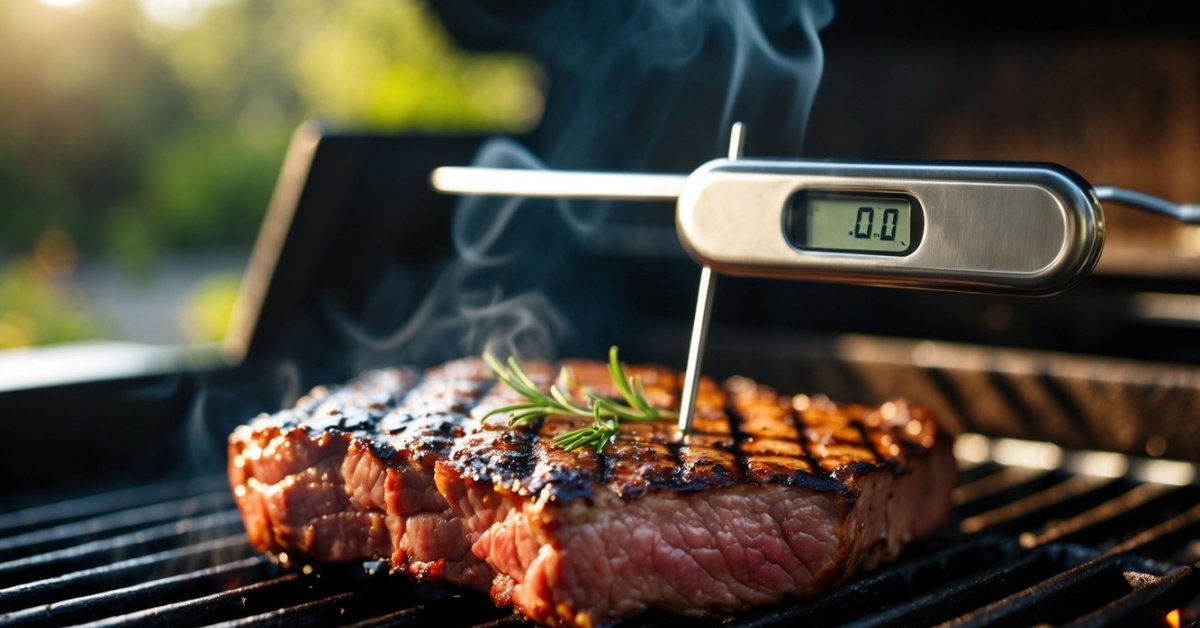
There’s nothing quite like the smell of pork sizzling on the grill. I love the anticipation of that first juicy bite but I also know how important it is to make sure every cut is cooked just right. Undercooked pork can spoil the fun and even lead to serious health risks.
That’s why I always keep a close eye on temperatures when I’m grilling. It’s easier than you might think and helps guarantee that every meal is both safe and delicious. If you want to feel confident about your next backyard barbecue you’re in the right place.
Importance of Monitoring Pork Temperatures
Monitoring pork temperatures keeps grilling safe and flavorful. When I ran my Texas bbq food cart, I saw undercooked pork lead to issues like trichinella infection according to CDC reports. Hitting at least 145°F (63°C) inside pork cuts such as chops, loins, or tenderloins removes unsafe bacteria—USDA guidelines confirm this threshold.
Checking temperature also prevents overcooking. Overdone pork dries out and loses the juiciness that I love in my backyard and food cart recipes. Using a grilling thermometer, I see the center of the pork reach the right doneness without guessing or cutting into the meat.
Grilling thermometers improve consistency. Each time I try new pork recipes, using my digital probe keeps results repeatable whether I’m slow-cooking ribs or reverse-searing pork shoulders. I find reliable readings from instant-read models or leave-in probes maximize both safety and quality.
Essential Tools for Temperature Monitoring
Accurate temperature monitoring lets me grill pork with confidence and hit the sweet spot between juicy and safe. Reliable tools make a difference every time I fire up the grill, especially when experimenting with new recipes or thicker cuts.
Using a Meat Thermometer
Using a meat thermometer gives me precise internal readings for pork. I insert the probe in the thickest part—away from bone or fat—to prevent misleading temperatures. Digital instant-read thermometers, for example, display results within seconds. Leave-in probe thermometers, like the ThermoPro TP20 or Weber iGrill, let me track changes without lifting the grill lid. Both types help ensure pork chops or shoulders hit 145°F, supporting repeatable, safe grilling results.
Choosing the Right Thermometer for Grilling
Choosing the right thermometer for grilling pork depends on my grilling setup and how frequently I cook. Wireless smart thermometers, such as MEATER or FireBoard, send real-time temperatures straight to my phone, freeing me up for multitasking. Simple analog dial thermometers, which I sometimes use for smaller cuts or quick checks, offer durability but lack precision for low-and-slow barbecue. When grilling multiple cuts, I prefer dual-probe digital models so I can monitor both grill and meat temps simultaneously, improving consistency for large parties or competitions.
Step-by-Step Guide to Monitoring Pork Temperatures
I treat pork temperature monitoring as the key to safe, juicy grilling. I rely on my thermometers for accuracy with every cut—no exceptions.
Preparing Pork for Grilling
I always start by letting pork come close to room temperature, about 15 to 30 minutes before grilling. This step gives more even cooking, so thicker cuts like bone-in chops or roasts reach the right temperature in the center. I pat pork dry with paper towels because dry surfaces sear better and help thermometers slide in cleanly. Before I grill, I check that my thermometer’s probe is clean and ready.
Checking Temperature During Grilling
I insert my grilling thermometer into the thickest part of the pork, away from bone, fat, or gristle, since those can give false readings. For thinner cuts like pork chops, I check from the side, not the top, so I hit the true center. I read digital instant-reads for quick feedback—most display a number in under 5 seconds. With large cuts or during long cooks, I use a leave-in probe thermometer and monitor the display remotely. When my thermometer reads 145°F (63°C) inside loin, chop, or tenderloin, I pull the pork off the grill. For ribs or pulled pork, I look for 195°F to 205°F for full tenderness. I always double-check with a second spot on thick roasts to confirm accuracy.
Understanding Resting Times
I move pork off the grill as soon as it hits the safe internal temperature because carryover cooking happens quickly. Thicker cuts climb 5°F to 10°F in minutes as they rest, reaching final doneness. I rest pork loosely tented with foil for at least 3 minutes after grilling. This rest period lets juices redistribute and texture stabilize, which means juicier slices or pull-apart pieces. For large roasts or shoulders, I go up to 15 minutes. I always re-check temperature if I slice thick roasts right after resting, confirming they’ve held above minimum safety standards.
Safe Temperature Guidelines for Pork
Grilling pork turns out best when I hit the right internal temperature every time. I rely on trusted recommendations to keep every cut safe and juicy.
USDA Recommendations
I always use the USDA minimum safe temperature as the gold standard for pork safety. Pork cuts including chops, loins, and tenderloins need to reach at least 145°F (63°C) measured with a grilling thermometer. Once I hit 145°F, I let the pork rest for 3 minutes before slicing or serving, since this brief rest lets the temperature stabilize and juices redistribute. Ground pork, like sausage or burger patties, hits its safe point at 160°F (71°C) due to higher risk from grinding. I never skip this check, since it prevents undercooking which the CDC links to trichinella or other foodborne illness.
| Pork Type | Safe Minimum Temp (°F) | Safe Minimum Temp (°C) | Rest Time |
|---|---|---|---|
| Chops, Loins, Tenderloin | 145 | 63 | 3 minutes |
| Ground Pork | 160 | 71 | None |
| Ham (Reheat, Fully Cooked) | 140 | 60 | None |
| Ham (Raw, Fresh) | 145 | 63 | 3 minutes |
Differences for Various Pork Cuts
I always adjust my grilling thermometer methods based on the pork cut. For larger pieces like shoulder or Boston butt, I check different spots close to the bone and deeper in the meat to confirm doneness, since thick cuts can heat unevenly. Thin cuts like pork chops or tenderloins cook faster and can dry out past 150°F (66°C), so I watch them closely and test in the center. With ribs, I look for 190°F-203°F (88°C-95°C) since higher temperatures help break down collagen for that classic pull-apart texture. I choose my thermometer—instant-read for quick checks or leave-in probe for slow cooks—based on what I’m grilling, making sure readings are always accurate across these cuts.
Grilling pork perfectly every time comes down to knowing these temperatures and using the best thermometer for the job.
Common Mistakes to Avoid When Monitoring Temperatures
- Misplacing the Thermometer Probe
I always insert the thermometer probe into the thickest part of the pork, like the center of a loin roast or chop. False readings often happen if the probe rests against bone, fat, or runs too shallow. Bone conducts heat differently, so readings next to it don’t reflect the true center temperature.
- Checking Temperature Too Early
I wait until the pork has cooked most of the way before checking for doneness, unless I’m testing technique or a new thermometer. Lifting the grill lid and poking the meat too often lets out heat and slows the cook, which leads to inconsistent cooking.
- Using Inaccurate Thermometers
I test my thermometers here in my own kitchen using the ice water and boiling water method. Cheap or poorly calibrated thermometers, especially older models, sometimes read off by several degrees, so regularly verifying accuracy helps me trust my readings on the grill.
- Forgetting Carryover Cooking
I account for carryover cooking, especially when grilling pork shoulder or thick chops. Pork continues cooking for several minutes after being removed from heat, and the internal temperature rises about 5°F. Pulling the meat off the grill right at 145°F for loins can result in overcooked pork.
- Neglecting Rest Time
I rest the pork, usually for 3 to 5 minutes, per USDA guidance and from years of trial and error. Slicing immediately after grilling pushes juices out, which dries out the meat and lowers final serving temperature.
- Ignoring Variations by Cut
I adjust my approach by cut—like using higher endpoints for ribs (190°F–203°F) compared to chops (145°F)—rather than using one temperature for everything. Applying a single rule for all types leads to dry or undercooked results.
- Not Reading Instructions for Thermometers
I check compatibility and usage instructions, as every thermometer—digital probe or wireless—handles maximum temperature and placement differently. Failing to follow manufacturer guidance leads to incorrect readings or even damaged tools, and not all thermometers are grill safe.
| Mistake | Impact | Example |
|---|---|---|
| Probe in wrong location | Inaccurate temperature reading | Too close to bone in pork chop |
| Checking too early/often | Inconsistent doneness, heat loss | Opening grill lid every few minutes |
| Using uncalibrated tools | Off by multiple degrees | Inaccurate off-brand instant-read |
| Forgetting rest/carryover | Dry or overcooked pork | Slicing loin without resting |
| Same temp for every cut | Overcooked or underdone meat | Cooking all pork at 145°F |
Avoiding these mistakes lets me grill pork with safer, juicier, and more consistent results.
Conclusion
Grilling pork safely doesn’t have to be intimidating when you’ve got the right tools and know-how. I’ve found that a little attention to temperature makes every barbecue more enjoyable and stress-free. There’s nothing better than serving up juicy pork with confidence knowing it’s both delicious and safe.
With a reliable thermometer and a few simple habits you’ll be ready to impress at your next cookout. Happy grilling!


