
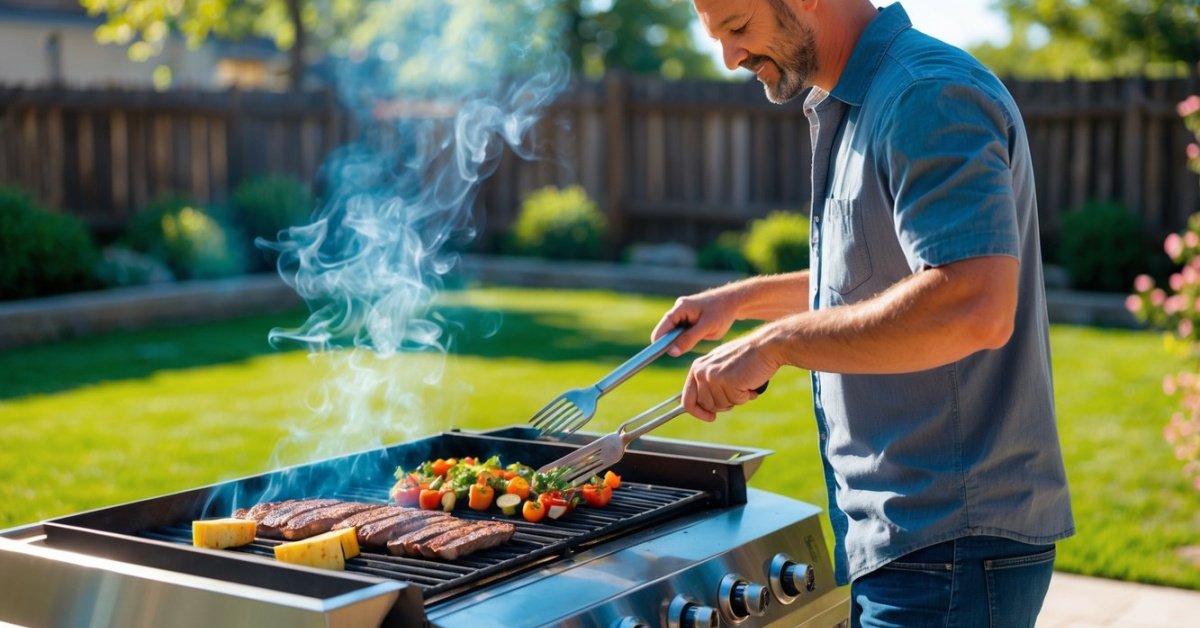
Grilling on an electric grill makes weeknight dinners and weekend cookouts a breeze but getting the perfect doneness can still be tricky. I know how frustrating it is to slice into a steak only to find it overcooked or underdone. That’s where a reliable thermometer comes in—it takes the guesswork out and helps you serve up juicy burgers and tender chicken every time.
With so many new thermometers hitting the market in 2025 I wanted to find out which ones really stand out for electric grill enthusiasts like me. Whether you’re after lightning-fast readings or smart features that sync with your phone I’ve rounded up the best options to make your grilling experience stress-free and delicious.
Why You Need a Quality Thermometer for Your Electric Grill
Grilling with electric grills needs a quality thermometer to avoid uneven or undercooked results. Accurate temperature readings mean every chicken breast, steak, or brisket comes off the grill safe to eat and cooked to your preferred doneness. With electronic control panels, electric grills can fluctuate in heat spots, making instant-read probes or wireless thermometers more important for consistent results.
Monitoring temperatures lets me replicate recipes, adjust cook times, and meet different guests’ tastes. Pro-grade thermometers, like digital models and wireless systems, provide clear feedback. This helps me catch temperature swings and avoid overcooked burgers or dry ribs.
Electric grills work best with a fast and accurate thermometer. I’ve found that even premium grill brands may lack built-in sensors that keep up with real-time food temperatures, especially during longer cooks. Using my own quality thermometer reduces risk and ensures each cut holds its juice and flavor.
Trying new bbq recipes relies on trustworthy grill tools. For me, a precise thermometer sits at the center of every successful cook, whether I’m slow-smoking ribs or searing thin pork chops. Accurate temperature readings let me focus on seasoning, technique, and enjoying the process, not just worrying about doneness.
Key Features to Look for in Grill Thermometers
Choosing the right grill thermometer for an electric grill demands attention to specific features. In my years running a BBQ food cart in Texas and testing thermometer after thermometer, I’ve found four features that separate the good from the unreliable.
Accuracy and Speed
Accuracy and speed drive great grilling. A quality thermometer measures internal meat temperature to within ±1°F, according to Cook’s Illustrated and NIST guidelines. Fast response times under 3 seconds—like what I’ve seen with the ThermoWorks Thermapen ONE and the MEATER Plus—give exact feedback before losing heat from an open grill lid. High accuracy directly cuts down on dry chicken or rare brisket.
Temperature Range
A broad temperature range covers everything from smoking brisket low-and-slow to searing steaks. Most pro models span 32°F to 572°F. Probes for candy, bread, and deep fry often overlap, giving flexibility if I try non-grilled recipes. Higher upper limits also protect the sensors from sudden grill flare-ups.
Connectivity and Smart Features
Smart features expand control. Bluetooth and Wi-Fi connectivity, seen in models like the MEATER Block and Weber iGrill, let me track temps from my phone. Alerts and graph logs help adjust timing without hovering over the grill. Multiple probe support tracks different meats—handy if I’m grilling for a crowd or testing new recipes.
Durability and Build Quality
Stainless steel probes, reinforced cables, and sealed bodies handle outdoor conditions, rain, or heat. IP67 or IP68 waterproof ratings add extra protection—especially since I’ve dropped more than a few thermometers in marinade, thanks to my brisket experiments. Robust construction also defines long-lasting thermometers, important for intense grilling sessions year-round.
Top Picks: The Best Thermometers for Electric Grills in 2025
A precise thermometer transforms electric grilling. I’ve tested dozens of models this year on everything from brisket to veggies, comparing speed, accuracy, durability, and smart features side-by-side. Below are my top picks for 2025, each excelling in key areas that every grill lover values.
Best Overall Thermometer
ThermoWorks Thermapen ONE stands out as the best overall thermometer for electric grills in 2025. I get instant reads in just 1 second, which keeps my brisket or chicken exactly where I want it. Its ±0.5°F accuracy means I trust every reading when I’m checking steak temps or slow-roasting pork shoulders. The rugged, waterproof body handles messy cookouts, and an auto-rotating backlit display makes checks easy, day or night. Thermapen ONE performs well whether I’m grilling indoors or outside, so it’s my go-to for consistent results.
Best Budget-Friendly Option
ThermoPro TP19H offers budget-friendly performance without sacrificing key features needed for electric grilling. I get quick 2-3 second readings with ±1°F precision. The foldable design slips right into my apron pocket, and the large display flips depending on how I hold it. ThermoPro TP19H includes a calibration feature, rare at this price. When I’m teaching new grillers or prepping for a casual backyard meal, this model never lets me down.
Best Smart Thermometer
Meater Plus excels as a smart thermometer for electric grills in 2025. Wireless operation means the probe goes straight into thicker cuts—even roasts—while the charging dock stays close. The Bluetooth connection lets me monitor temp trends from up to 165 feet away using my phone. I’ve used the guided cook system to hit perfect doneness on lamb racks and thick pork chops. Plus, cooks can check temperatures through the Meater app while prepping sides or entertaining guests, keeping grill sessions stress-free.
Best for High-Temperature Grilling
Lavatools Javelin PRO Duo offers superior performance for high-temperature grilling, crucial for electric grills prone to edge hot spots. This thermometer reads up to 572°F, letting me sear steaks or monitor hot grill plates without a hitch. Readouts appear in 2-3 seconds, so I avoid losing heat from a long lid lift. Its durable polymer shell stands up to bumps and splatters, and the large display remains readable under bright patio lights. When I’m aiming for a crusty finish or crisp-skinned wings, I grab the Javelin PRO Duo every time.
| Thermometer | Response Time | Accuracy | Max Temp | Connectivity | Key Feature | Price Category |
|---|---|---|---|---|---|---|
| Thermapen ONE | 1 sec | ±0.5°F | 572°F | None | Rotating auto-backlit display | Premium |
| ThermoPro TP19H | 2-3 sec | ±1°F | 572°F | None | Foldable with calibration | Budget |
| Meater Plus | 3 sec | ±1°F | 527°F | Bluetooth | Wireless app-controlled | Mid-High |
| Javelin PRO Duo | 2-3 sec | ±0.9°F | 572°F | None | High-temp durability, quick read | Mid |
How to Use and Maintain Your Grill Thermometer
Using Your Grill Thermometer
Insert the probe into the thickest part of meat for accurate temperature readings. I always check the center of brisket, chicken breast, and thick steaks to avoid undercooked spots. Avoid bones or gristle since they cause false readings.
Wait for the reading to stabilize. Most instant-read models like the Thermapen ONE deliver results in 1 to 3 seconds. Digital smart probes sync with apps, so I monitor temps right from my phone when I’m multitasking around the grill.
Use the thermometer throughout cooking, not just at the end. I check doneness several times if I’m smoking a large roast or whole chicken, tracking the temp rise as it cooks.
Calibrating for Accuracy
Test your thermometer’s accuracy monthly if you use it often. I use the ice bath method: submerge the probe in ice water, then check for 32°F. For boiling water, it should display 212°F at sea level, adjusting for altitude if needed.
Most digital thermometers include a calibration feature or reset button under the battery cover. I follow manufacturer instructions for zeroing out any drift in the readings.
Cleaning After Every Use
Wipe down the probe with a damp cloth and sanitize with alcohol wipes after every session. I never submerge the digital base or display; only the metal probe gets cleaned.
Avoid dishwashers since high heat or detergent can damage electronics and probe seals. For stuck-on gunk after sticky BBQ sessions, I use a soft brush with mild dish soap.
Storing Your Thermometer
Store the thermometer in a protective case or drawer away from direct sunlight, humidity, and high heat. I keep all my digital models in a dry spot to preserve battery life and avoid corrosion.
Keep spare batteries handy. I swap mine every few months, especially during heavy grilling seasons.
Maintenance Tips for Longevity
Inspect the probe for rust or wear, especially if it’s been through repeated high-heat grilling. Replace probes or units showing inaccurate readings or visible damage.
Check for software updates on smart thermometers. I regularly update my Meater Plus via the phone app to access new features and bug fixes.
Use your thermometer carefully, avoiding bending or dropping the probe. Reliable handling extends its lifespan and ensures accurate results for hundreds of cooks.
Conclusion
Choosing the right thermometer for your electric grill really does make all the difference. I’ve found that once you trust your thermometer, you can relax and focus on the fun parts of grilling—experimenting with flavors and perfecting your technique.
With the latest options in 2025, there’s a perfect fit for every budget and grilling style. Just remember to care for your thermometer and use it every time you grill. You’ll get consistently delicious results and enjoy peace of mind knowing your food is cooked just right.


