
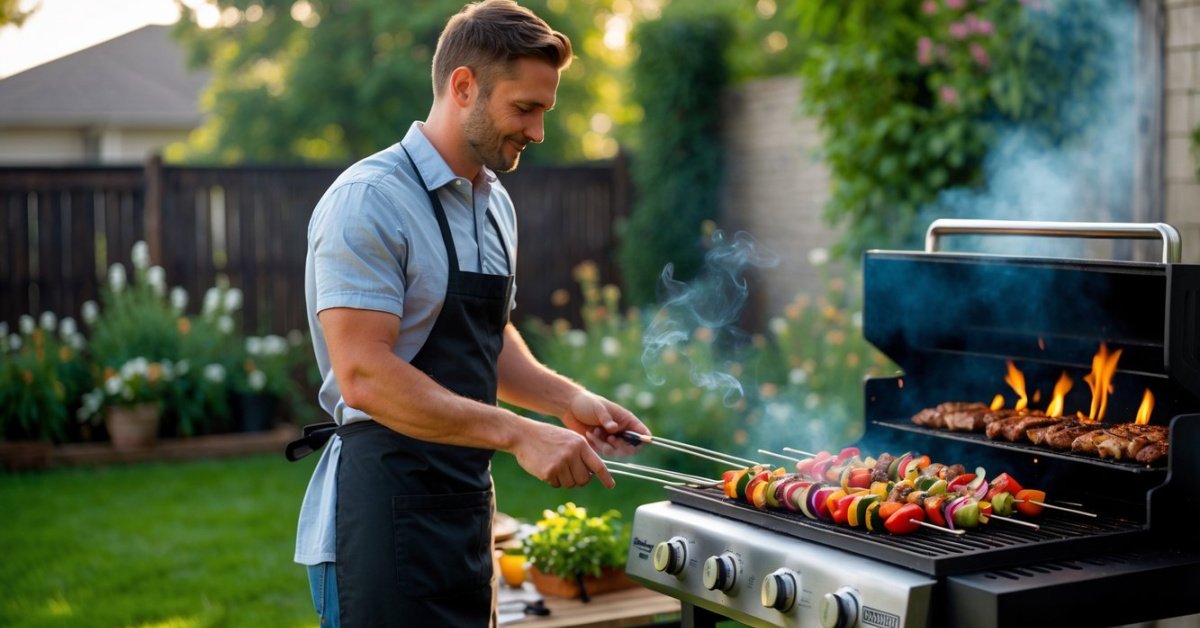
Nothing beats the smoky flavor of food cooked over a charcoal grill but nailing the perfect temperature can be tricky. I’ve learned that guessing just doesn’t cut it when you want juicy steaks or perfectly smoked ribs. That’s where a reliable thermometer comes in—it’s my secret weapon for grilling success.
With so many new models hitting the market in 2025 I’ve set out to find the best thermometers that make grilling easier and more fun. Whether I’m cooking for a crowd or just enjoying a quiet weekend barbecue I want tools I can trust. Let’s dive into the top picks that’ll help us all grill like pros this year.
Why Accurate Temperature Matters for Charcoal Grilling
Accurate temperature makes or breaks charcoal grilling. Undercooked chicken or overdone brisket happens fast when the heat isn’t dialed in right. My years running a bbq cart in Texas taught me that exact numbers—not guesswork—create flavorful, safe barbecued meats.
Flavor depends on hitting steady temps. Charcoal fires create hot and cool spots, especially in larger grills or smokers. Precision thermometers give me real-time readings, so pork shoulder or ribs hit their perfect doneness window every time. Guests notice the difference when every cut of meat turns out juicy and consistent.
Safety also ties directly to proper heat. Experts like the USDA specify 165°F for chicken, 145°F for pork, and 160°F for ground beef. Trusted digital thermometers confirm I reach targets, avoiding risks from undercooked proteins.
Efficiency increases with reliable thermometers. Timed cook sessions and even burning charcoal stretch out grill time, especially when I’m managing multiple recipes. With modern probes or wireless smart thermometers, I track temps at a glance, so I can focus on prepping sides or saucing briskets without hovering over the fire.
Control over smoking, searing, or slow-roasting improves with data. For example, I keep brisket at 225°F for smoke or sear steak at 500°F—tasks impossible with vague dial readings. Reliable thermometers unlock all the flavor possibilities that charcoal grilling offers.
Key Features to Look for in a Charcoal Grill Thermometer
Finding a top charcoal grill thermometer involves weighing several key features. I focus on what makes grilling smoother, more accurate, and more enjoyable for every cookout session.
Temperature Range and Accuracy
Accurate readings and a wide temperature range help maintain ideal grilling conditions. I look for models that offer at least a 100°F to 700°F (38°C to 371°C) range, covering everything from low-and-slow ribs to blistering steak sears. Models from ThermoWorks and Inkbird, for example, promise ±1.8°F (±1°C) accuracy, minimizing the chance of raw centers or overdone edges.
Durability and Build Quality
Rugged construction handles high grill temps and outdoor elements. Stainless steel probes and heat-resistant housings are key, especially when heat hits 500°F or summer storms roll in. I’ve found that thermometers rated IPX5 or higher—like the Weber Connect Smart Grilling Hub—stand up to frequent use during long pit sessions or unpredictable Texas weather.
Ease of Installation and Use
Simple setup saves time and frustration when the coals are hot and guests are hungry. Magnetic mounts, clip-on probes, and large backlit displays make a big difference, especially in low light. I recommend models with intuitive one-touch controls, such as the ThermoPro TP20, which lets me monitor temps with just a quick glance or button press.
Connectivity and Smart Features
Smart connectivity upgrades grilling with remote monitoring and alerts. Bluetooth and Wi-Fi thermometers, like MEATER Plus or Inkbird IBT-4XS, send real-time updates to my phone. Customizable alarms, pre-set meat temperatures, and graphing features keep me in control, even if I’m prepping sides inside or catching up with friends away from the grill.
The Best Thermometers for Charcoal Grills in 2025: Top Picks
Finding the right thermometer for a charcoal grill makes a huge difference in cook results. I’ve spent years testing thermometers on briskets, ribs, and even grilled veggies—here are the models that stand out for 2025.
Wireless and Smart Thermometers
Wireless and smart thermometers add flexibility and precision to charcoal grill sessions. I consistently reach for models like the ThermoWorks Signals, MEATER Plus, and Weber Connect Smart Grilling Hub.
- ThermoWorks Signals: Monitors up to four cuts at once via Wi-Fi or Bluetooth, displays readings as low as 50°F and up to 575°F, updates through a rugged app, and logs every session for review.
- MEATER Plus: Features a completely wireless probe, carrying Bluetooth up to 165 feet outdoors, tracks both internal and ambient temps, and comes with a magnetic charger for storage near the grill.
- Weber Connect Smart Grilling Hub: Alerts when to flip, checks doneness with simple guided recipes, and pairs smoothly with both iOS and Android devices.
Analog Thermometers
Analog thermometers remain reliable for quick, simple grilling temperature checks. I’ve trusted models like the Tel-Tru BQ300 and Oklahoma Joe’s Professional Temperature Gauge for years.
- Tel-Tru BQ300: Reads from 100°F to 700°F with a large, glow-in-the-dark face that’s easy to see in low light, has a calibration nut for accuracy, and features a rust-resistant stainless-steel stem.
- Oklahoma Joe’s Professional Temperature Gauge: Installs directly into most domed grill lids, shows fast needle response, and uses a waterproof lens to hold up through summer storms or high humidity.
Budget-Friendly Options
Affordable grill thermometers deliver solid accuracy without draining your wallet. I frequently recommend the ThermoPro TP20 and CDN ProAccurate DTQ450X to new grillers or those with basic needs.
- ThermoPro TP20: Provides dual-probe wireless monitoring up to 300 feet, presorted USDA temperature presets, and an easy-to-read LCD backlight.
- CDN ProAccurate DTQ450X: Offers fast digital readings within 6-8 seconds, pocket size for quick checking, and safe for both deep-frying and grilling applications.
Each model above has helped me grill confidently at home, take on cookouts with friends, and nail the ideal doneness, no matter the recipe or occasion.
How to Properly Use and Maintain Your Grill Thermometer
Positioning the Probe or Sensor
Accurate readings rely on the correct probe or sensor placement. I insert the probe into the thickest part of the meat—avoiding bone, fat, or gristle—since this spot heats slowest. For ambient grill temperature, I place the sensor two inches above the grate, away from direct flame or vents, for a true cooking zone reading.
Calibrating the Thermometer
Reliable temperature readings start with regular calibration. I check new thermometers before first use, then test accuracy once a month. For a quick check, I set my thermometer probe in ice water—expecting a reading of 32°F (0°C)—or boiling water, which varies by altitude but averages 212°F (100°C) at sea level. I consult the manual for any calibration adjustments needed.
Maintaining Cleanliness and Function
Clean probes after every cook. I wipe metal parts with a damp cloth, using mild soap if buildup occurs, and avoid soaking electronic components. For grill-mounted thermometers, I remove grease or soot from the outside using a non-abrasive sponge. I avoid harsh chemicals that can damage coatings or sensor tips.
Storing the Thermometer Properly
Proper storage extends thermometer lifespan. I keep digital and wireless models indoors, away from moisture, and use their original cases or soft cloth pouches to prevent scratches. For analog units, I cover the dial and probe during off-seasons to keep out dust and humidity.
Checking Batteries and Connections
Consistent performance depends on charged batteries and solid connections. I replace batteries at the start of each grilling season and check contact terminals for corrosion. For wireless models, I confirm Bluetooth or Wi-Fi pairing before firing up the grill.
Avoiding Common Mistakes
Overcrowding meat near thermometers can impede airflow and skew temps. I give space around sensors and keep probe cables away from direct flame. Relying on built-in dome thermometers gives grill chamber temps, not food temps—I trust my own probes in the meat for accuracy.
Table: Thermometer Maintenance Schedule
| Task | Frequency | Example |
|---|---|---|
| Calibration | Every month | Ice/boiling water test |
| Probe cleaning | After every use | Wipe, mild soap, no soaking |
| Battery replacement | Every grilling season | Replace in spring |
| Connection check | Every grilling session | Bluetooth/Wi-Fi test |
| Storage review | Off-season & after use | Indoors, covered, dry place |
Conclusion
Choosing the right thermometer has made all the difference in my grilling adventures. With so many new options in 2025 I’m excited to see how much easier it’s become to nail perfect temps every time.
Whether you’re a weekend griller or a BBQ enthusiast like me investing in a reliable thermometer pays off with every juicy steak and tender rack of ribs. Here’s to more flavorful cookouts and stress-free grilling all season long!


