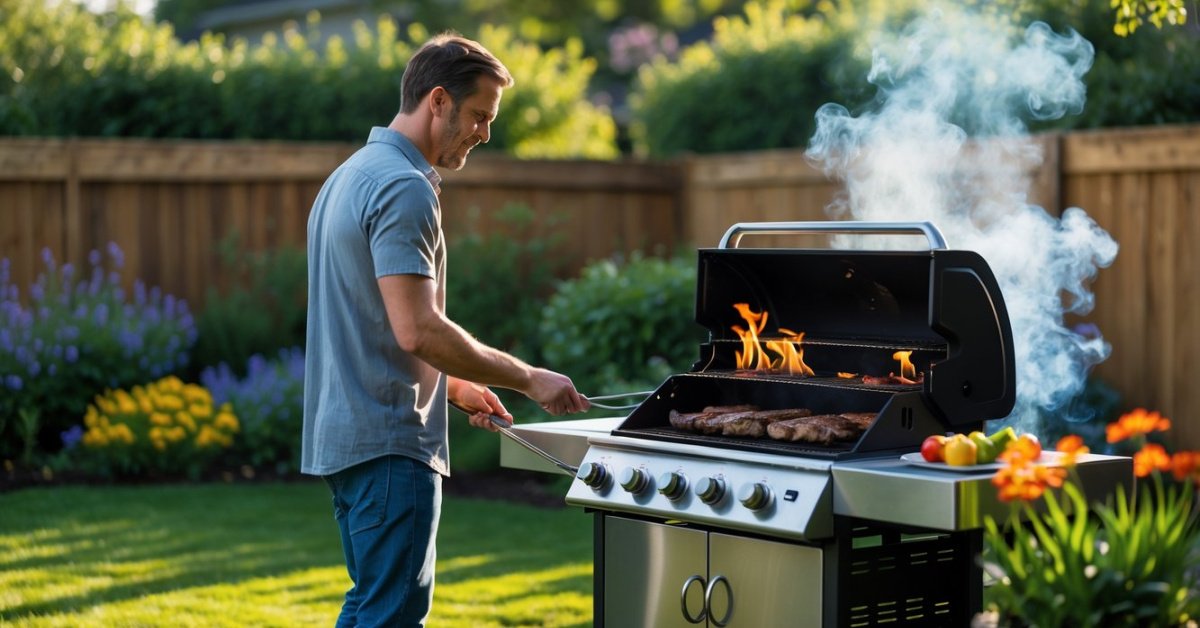
Nothing brings my family together quite like a big backyard BBQ. With everyone gathered around the grill and the smell of smoky goodness in the air I want every dish to come out just right. The secret to perfectly juicy burgers and tender ribs? It all starts with the right thermometer.
I’ve learned that guessing doneness just doesn’t cut it when I’m cooking for a crowd. Choosing the best thermometer makes all the difference between a memorable feast and a dinner disaster. If you’re ready to take your family BBQs to the next level let’s dive into what makes a thermometer truly great for those big gatherings.
Why a Good Thermometer Matters for Large Family BBQs
Accuracy keeps large plates safe. I check internal temps to make sure briskets, chicken thighs, and sausages finish at safe minimums—like 165°F for poultry—since undercooked food risks health, especially with younger kids or older adults. Trusted sources like the USDA confirm safe temperature guidelines for BBQ.
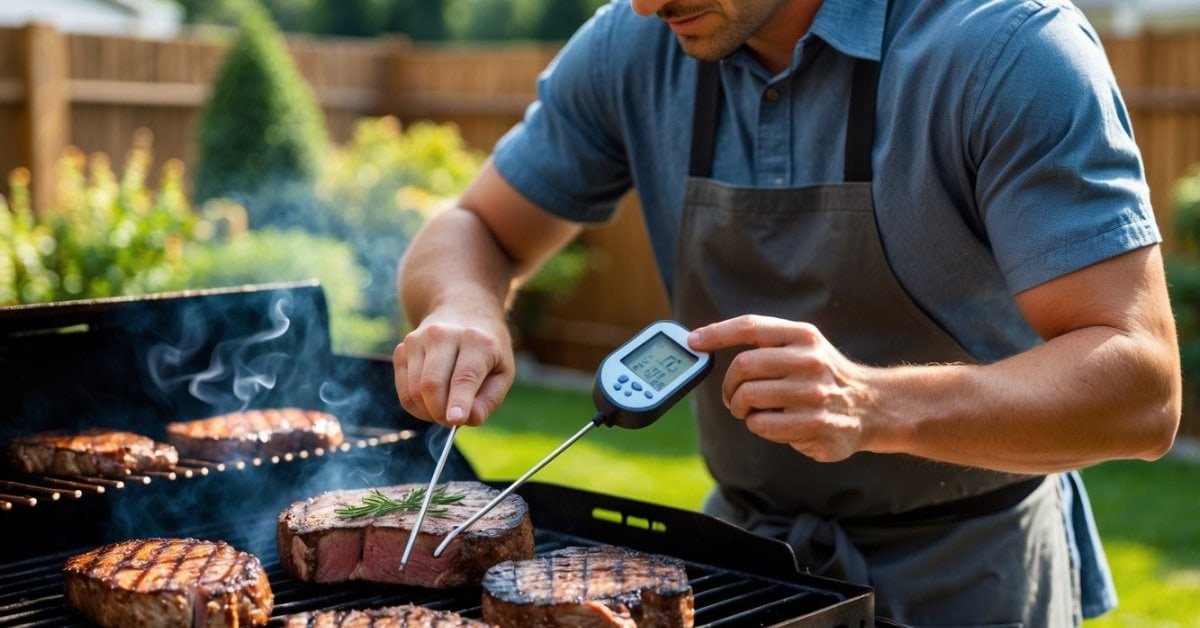
Speed saves stress during family BBQs. I move quickly between smoking racks and grills, so fast digital thermometers, like thermocouple models, prevent overcooking by letting me get instant readings across multiple burgers, ribs, and steaks.
Consistency lets me deliver perfect doneness across batches. I use high-quality thermometers that show true temperatures, so every chicken drumstick in a dozen hits the same juicy, safe finish instead of guessing by appearance or time.
Efficiency boosts crowd-pleasing results. I rely on thermometers to stage meats precisely—pulling pork when it’s perfectly tender without shredding early, or keeping burgers rare for some and well-done for others, according to what my guests ask for.
Reliability scales with busy BBQ events. I bring backup thermometers in case batteries die or displays fog up during marathon cookouts, since cheap models with inconsistent readings add problems during peak grilling.
Confidence makes family BBQs fun. I trust my thermometer’s numbers when serving food I love, knowing I’ll hit the sweet spot for every recipe—whether I’m testing Texas-style brisket or Kansas City ribs for fifty hungry relatives.
Key Features to Look For in a BBQ Thermometer
Selecting the right BBQ thermometer makes group cookouts smoother and dishes more consistent. My time running a Texas food cart and endless recipe testing has shown me which features help most when juggling multiple plates on the grill.
Temperature Range and Accuracy
Wide temperature range and high accuracy ensure reliable results for BBQ meats. I want a thermometer that covers everything from 32°F for smoked fish to 572°F for steak searing. Accuracy boosts confidence, especially with chicken or pork, where even a 2°F difference (source: USDA) changes the safety margin for families.
Response Time
Quick response time keeps BBQ prep efficient during busy events. I look for thermometers that give stable readings in 2–4 seconds so the grill stays closed, juices stay inside, and I can check multiple cuts fast. Fast thermometers save time and keep heat in the cooker for even cooking.
Probes and Connectivity Options
Multiple probes and versatile connectivity handle large family BBQs with mixed preferences. I prefer models with at least two probes—one for grill temp, one for food—plus wireless or Bluetooth support. Probes let me monitor ribs and chicken at once, while smartphone connectivity allows tracking temps from across the yard, making multitasking seamless.
Durability and Weather Resistance
Durable and weather-resistant construction withstands outdoor BBQ sessions in any season. Stainless steel probes resist corrosion and high heat, while IP-rated bodies block dust and rain. I always bring my weatherproof models for backyard BBQs because sudden showers show no mercy in Texas.
Top Types of BBQ Thermometers for Big Gatherings
Keeping big family BBQs running smoothly takes the right tools. I’ve tested dozens of thermometers through brisket marathons, pulled pork production lines, and burger nights. Here’s how the most popular types stack up for large get-togethers.
Instant-Read vs. Leave-In Thermometers
Instant-read thermometers give fast, point-in-time temperature readings when you insert the probe into meat. Models like the ThermoWorks Thermapen and Lavatools Javelin show accurate results in 2–3 seconds, letting me quickly check steaks or chicken during peak rush. I depend on these when speed’s a priority and there’s a line of hungry folks waiting at the table.
Leave-in thermometers stay in the meat while it cooks, continuously tracking core temps through the whole cook. When I smoke briskets or pork shoulders, I use DigiQ or Taylor leave-ins to keep an eye on progress without having to open the pit, helping maintain a steady temperature and avoid overcooking.
Wireless and Smart Thermometers
Wireless and smart thermometers let me move around during gatherings instead of hovering over the grill. I use models like the MEATER Plus or ThermoPro TempSpike, which send live temperature updates right to my phone. These Bluetooth and Wi-Fi thermometers work at distances up to 165 feet outdoors, keeping me in the loop even when I’m catching up with cousins or prepping side dishes.
Smart apps let me track different meats, set custom doneness alerts, and even get cooking tips straight from the device. That extra flexibility means less stress and more time relaxing with family.
Multiple Probe Thermometers
Multiple probe thermometers like the ThermoPro TP27 or Inkbird IBT-4XS let me monitor several dishes at once, which is essential when I’m grilling for 10+ people. These models hold 2–4 probes—enough to track beef, poultry, and pork in real time. I set each probe for target temps based on USDA safety guidelines and get alerts as soon as anything hits the perfect doneness.
Simultaneous multi-probe monitoring cuts down guesswork and juggling. It ensures everything comes off hot and perfectly cooked without missing anyone’s preferences.
Best Practices for Using Your BBQ Thermometer
Consistent thermometer use keeps cookout dishes safe and flavorful. I rely on these best practices to get accurate results and extend the life of every grilling tool.
Proper Placement for Accurate Readings
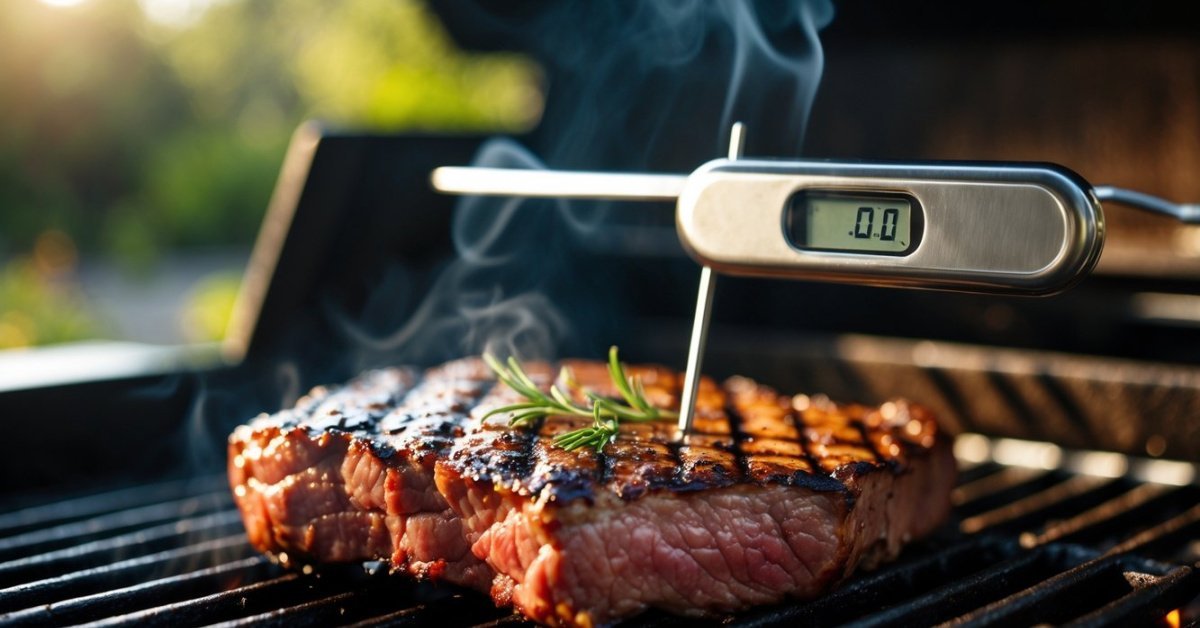
Tip insertion in the thickest meat part gives the most reliable reading. I avoid bone or fat pockets since those skew the temperature. For brisket or pork shoulder, I insert the probe in the center away from the surface and avoid touching the pan. With thinner cuts like chicken breasts or burgers, I insert the probe sideways for more consistent results. If I’m running multiple probes, I double-check the hottest and coolest spots to keep every piece just right.
Cleaning and Maintenance Tips
Cleaning probes with hot soapy water after each use helps prevent bacteria. I dry the probes thoroughly to avoid rust, paying special attention to any connector points. Wiping down the thermometer body with a damp cloth keeps it ready for outdoor cooking. If my thermometer’s waterproof, I rinse it gently under running water, following the manufacturer’s guidance for extra care. I store my thermometers in a dry case between cookouts so buildup and moisture never cause trouble at the next big BBQ.
Recommended Thermometers for Large Family BBQs
When picking thermometers for large family BBQs, I always consider accuracy, speed, and reliability on the grill. Based on grilling hundreds of briskets, racks of ribs, and burgers with my former Texas BBQ cart, I look for models that perform well outdoors and handle big jobs. Here are my top choices:
- ThermoWorks Thermapen ONE
Instant-read accuracy stands out on this thermometer. I get a stable temperature in under 2 seconds every time, which helps when juggling burgers, steaks, and chicken for a crowd. Water-resistant housing and a backlit display add durability, so it handles sauce, rain, and late-night cooks.
- MEATER Plus Wireless Smart Meat Thermometer
Wireless convenience frees me up during big BBQs. With dual sensors, I monitor internal meat temp and ambient pit temp from my smartphone for up to 165 feet away, making it easy to keep track of brisket and pork shoulders without hovering over the smoker. Fully wireless design means no tangled cords when moving trays or turning meats.
- ThermoPro TP27 Long Range Wireless Meat Thermometer
Multiple probe capacity makes this a personal favorite for hosting. I monitor four cuts of meat at once, using color-coded probes to avoid confusion. With a 500-foot signal range, moving around the yard or kitchen doesn’t interrupt the cook. Easy-to-read display helps during busy moments.
- Inkbird IBT-4XS Bluetooth Wireless Grill Thermometer
Bluetooth connectivity helps me check temps from anywhere in my backyard. Four probes allow for tracking ribs, chicken, sausages, and even veg at once. Rechargeable battery lasts through marathon sessions, and strong magnetic backing provides secure attachment to metal surfaces near the grill.
- Lavatools Javelin PRO Duo
Fast readings and rugged build give me confidence during high-paced cookouts. Splash-proof body and simple one-handed use fit BBQ environments with spills and quick movements. It adds a large rotating display that’s easy to see in sunlight or at dusk.
These models each support reliability for large family BBQs, based on hands-on trials with everything from smoked turkey to thick ribeyes. I always keep a backup when cooking for twenty people, but any of these thermometers holds up for big gatherings and keeps grilling stress low.
Conclusion
When I host a big family BBQ I want everything to go smoothly so everyone can relax and enjoy great food together. The right thermometer makes a huge difference in both safety and taste and really takes the stress out of grilling for a crowd.
With just a little planning and the right tools I’m able to focus on what matters most—sharing good times and delicious meals with the people I care about. Happy grilling!