
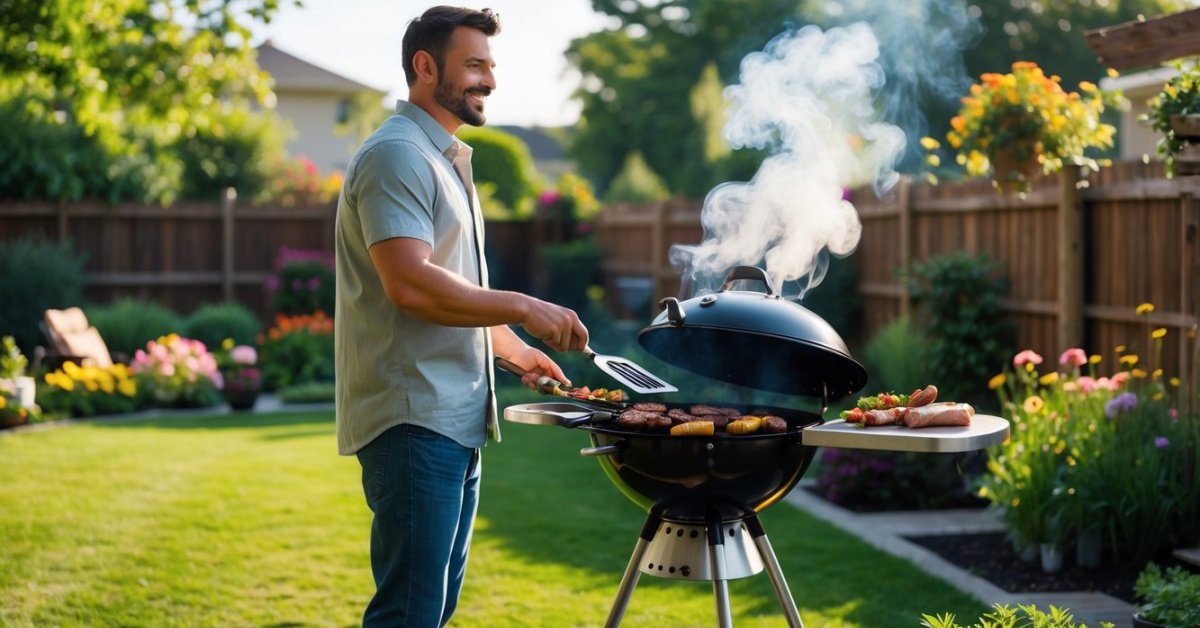
When I’m grilling several times a week, I know how important it is to have a thermometer that keeps up with the heat. There’s nothing worse than a flimsy tool that quits halfway through a cookout or gives me a wrong reading just as the steaks are almost done. I want something that lasts and gives me peace of mind every time I fire up the grill.
Finding a truly durable thermometer isn’t just about picking the first one on the shelf. I’ve learned that the right choice can make grilling easier and way more fun. With a little know-how, I can make sure my next thermometer stands up to the challenge—no matter how often I’m flipping burgers or smoking brisket.
Understanding the Importance of a Durable Thermometer for Grilling
Durable thermometers make grilling safer and more predictable, especially when I’m cooking brisket, ribs, or chicken over high heat. Accurate temperature readings ensure food reaches safe levels, and tough thermometers stand up to repeated use. Inferior models, like off-brand dial thermometers I tried on my cart in Texas, often lost accuracy after a few weekends of heavy grilling.
Heat, moisture, and smoke from charcoal or wood-fired grills can damage flimsy devices. When I grill dozens of burgers and steaks in a row, thermometers with sealed probes and reinforced housings keep out grease and maintain precision. Grillers who use their thermometers every weekend, like me, need heavy-duty options to avoid cracks, foggy displays, and slow response times.
Initial investment in a rugged thermometer pays off after the first season, since replacements and under- or overcooked meats cost more in the long run. I test thermometers by leaving them in the heat next to pork shoulders for hours. Models built with stainless steel probes and shock-resistant casings last the longest and always deliver the most reliable results, which is essential for anyone passionate about grilling any kind of meat.
Key Features to Look for in a Durable Grill Thermometer
Grill thermometers take a beating from high heat, smoke, and grease. I’ve tested dozens while running my Texas bbq cart and at home, and I focus on four main features when picking a tough tool.
Material and Build Quality
Stainless steel and reinforced plastics make the most rugged grill thermometers. I trust probes built from medical-grade stainless steel since they don’t rust or warp, even after hundreds of cooks. Casings with shock resistance, like heavy silicone or metal, protect the internals if dropped next to the pit or on the patio. Welded seams stop grease and smoke from seeping inside, which can short out cheap models.
Temperature Range and Accuracy
A wide temperature range covers more cooking styles—like low-and-slow brisket at 225°F and searing steak at 600°F. Good options read anywhere from -58°F to 572°F. Precision matters, especially for thicker cuts. I look for accuracy within ±1.8°F because that precision means safer poultry and juicier beef. Fast response times keep me from hovering over hot grates for too long.
Waterproof and Weather Resistance
Grill thermometers with IP67 or higher ratings shrug off rain, sauce, and splashes from cleaning. I don’t worry about using these by the pool or during surprise Texas storms. Sealed buttons and waterproof battery covers extend the thermometers’ lifespans by blocking out moisture and smoke.
Display Readability and Backlighting
Large, backlit LCD or OLED screens make temperature checks easy when I’m grilling late or opening the smoker at dawn. High-contrast numbers stand out when sunlight is glaring, and angled displays let me read temps without taking the thermometer off the grate. Glove-friendly buttons help when I’m in the middle of a brisket wrap or flipping ribs.
| Feature | Example Specification | Advantage |
|---|---|---|
| Material | Medical-grade stainless steel | Rust and warp resistance |
| Temp Range/Accuracy | -58°F to 572°F, ±1.8°F | Versatile, safe, and juicy results |
| Waterproofing | IP67 rated | Functions during rain or quick rinse |
| Display | Backlit, high-contrast LCD/OLED | Easy reading in sun, smoke, or dark |
Types of Thermometers Suitable for Frequent Grilling
Grilling almost daily in Texas taught me that the right thermometer matters as much as the grill itself. For frequent grilling, only a handful of thermometer types hold up to the demand and heat.
Instant-Read vs. Leave-In Thermometers
Instant-read thermometers give quick results—usually within 2-4 seconds. I use these for steaks, burgers, or checking temp during a long brisket smoke. Models with sturdy probes and water resistance handle repeated use without failing. Leave-in thermometers, like probe thermometers, stay inside the meat or grill the entire cook. These work best when I’m slow-cooking ribs or pork shoulder for hours. Leave-in devices with braided stainless cables and high-heat tolerance resist grill flare-ups and frequent opening of lids. For high-volume grilling, I rely on both types to cover everything from fast flips to all-day smokes.
Wireless and Smart Thermometers
Wireless thermometers connect to a base station or my phone through Bluetooth or WiFi. This lets me monitor the grill from indoors, avoiding the Texas sun. The best wireless models have rugged probes and sturdy receivers that keep signals strong even around big metal smokers. Smart thermometers go further, offering temperature graphs, doneness alerts, and multi-probe options. I track different meats at once on my phone—a must for events or testing recipes. App-based interfaces and cloud integration deliver precise temp history, which helps when dialing in repeatable results for brisket or chicken. Smart units with water-resistant designs and rechargeable batteries last through heavy use and multiple grilling sessions.
Maintenance Tips to Ensure Longevity
Regular Cleaning
Cleaning grilling thermometers after every use removes grease and residue that lead to buildup. I wipe stainless steel probes with a damp cloth and mild dish soap, then dry with a towel. Immersion in water damages electronic components, so I avoid soaking digital units. On heavy grease buildup, I use isopropyl alcohol wipes for a deeper clean without damaging electronics.
Proper Storage
Storing thermometers in a protective sleeve or hard case prevents scratches and damage. I keep mine in a toolbox or inside a drawer away from heat and humidity, avoiding spots close to the grill or smoker. High temperatures and moisture degrade the display and corrode contacts. Probes and cables stay coiled, not bent, to prevent kinks or wire breaks.
Battery Care
Replacing the batteries as soon as the display dims or readings slow keeps thermometers functioning accurately. I remove batteries during long periods of non-use, since battery leaks corrode contacts and ruin internal electronics. Using high-quality lithium or alkaline batteries extends operational life through peak grilling seasons.
Regular Accuracy Checks
I test accuracy every few months using the ice water and boiling water method. Placing the probe in ice water gets a reading near 32°F, while boiling water reaches 212°F at sea level. If I see a deviation over ±2°F, calibration or replacement is necessary for safe grilling. Many premium thermometers include quick recalibration features.
Avoiding Impact and Direct Flame
Bumping a thermometer from a grill shelf leads to cracked plastic, bent probes, or malfunction. I keep my devices away from direct flame, since extreme temps warp casings and reduce reliability. Probes measure internal meat temperatures best if exposed only to food and not grill grates or open flames.
Maintaining Gasket and Waterproofing
Checking rubber gasket seals on waterproof models stops moisture from seeping inside. I inspect these seals every few months for wear or cracks and reseat them as necessary. If the thermometer uses O-rings, I replace them immediately if they start to degrade.
Following these steps, frequent grillers like me keep durable thermometers in top shape all season.
Top Brands and Models to Consider
Based on my years running a Texas BBQ food cart and testing dozens of grilling thermometers, I keep returning to a few proven names. Durability, accuracy, and real-world grill performance guide every pick. Here’s my go-to list for frequent grillers:
- ThermoWorks Thermapen ONE: I rely on the Thermapen ONE for speed and consistency. It gives readings in 1 second and holds up thanks to an IP67 waterproof rating. Stainless steel probes never warp, even after 300+ brisket cooks. The backlit display makes it easy to read during night cooks.
- Lavatools Javelin PRO Duo: I use the Javelin PRO Duo for casual and frequent grilling sessions. The ±0.9°F accuracy stays tight and the polymer shell resists drops off the pit. The magnetic back means I can stick it right to my grill shelf while flipping burgers.
- MEATER Plus: Wireless design turns my offset cooks into a breeze. I monitor up to 165 feet away through my phone. The stainless steel and ceramic build stands up to smoke and flare-ups. Wireless smart features give me detailed temp graphs and doneness reminders.
- Weber iGrill 2: Weber pairs four probes with app-based temp tracking. I track pork butts, brisket, and chicken in one cook. Probes stay accurate thanks to braided stainless steel wiring and splash-proof design. I use the color-coded probes to keep my proteins organized.
- Maverick ET-733: I pick this for long smokes. It features dual probes for food and pit monitoring. Wireless range covers my backyard and the rugged receiver survives surprise Texas rain. I appreciate programmable alerts for overnight cooks.
Quick Comparison Table
| Brand & Model | Type | Temp Accuracy | Durability Highlights | Wireless/App |
|---|---|---|---|---|
| ThermoWorks Thermapen ONE | Instant-read | ±0.5°F | IP67 waterproof, SS probe, 1s read | No |
| Lavatools Javelin PRO Duo | Instant-read | ±0.9°F | Drop-resistant, magnetic, polymer shell | No |
| MEATER Plus | Wireless smart | ±1°F | Stainless steel/ceramic, waterproof | Yes |
| Weber iGrill 2 | Leave-in/smart | ±1°F | Braided SS cable, splash-proof | Yes |
| Maverick ET-733 | Leave-in | ±1.8°F | Rugged build, weather-resistant | Yes |
Every brand listed stands out in durability and grill accuracy in my backyard tests. I watch for stainless steel probes and tough casings to combat smoke, grease, and high heat, especially during Texas summer cookouts. Precision and resilience make these my favorites for anyone grilling year-round.
Conclusion
Picking a durable thermometer has made all the difference in my grilling routine. I love knowing I can trust my tools to handle the heat and deliver spot-on results every time. With the right thermometer in hand I spend less time worrying and more time enjoying the food and company around the grill.
If you’re a frequent griller like me investing in a tough reliable thermometer is a game-changer. It’s one of those upgrades you’ll appreciate every time you fire up the grill and see just how easy great grilling can be.


