
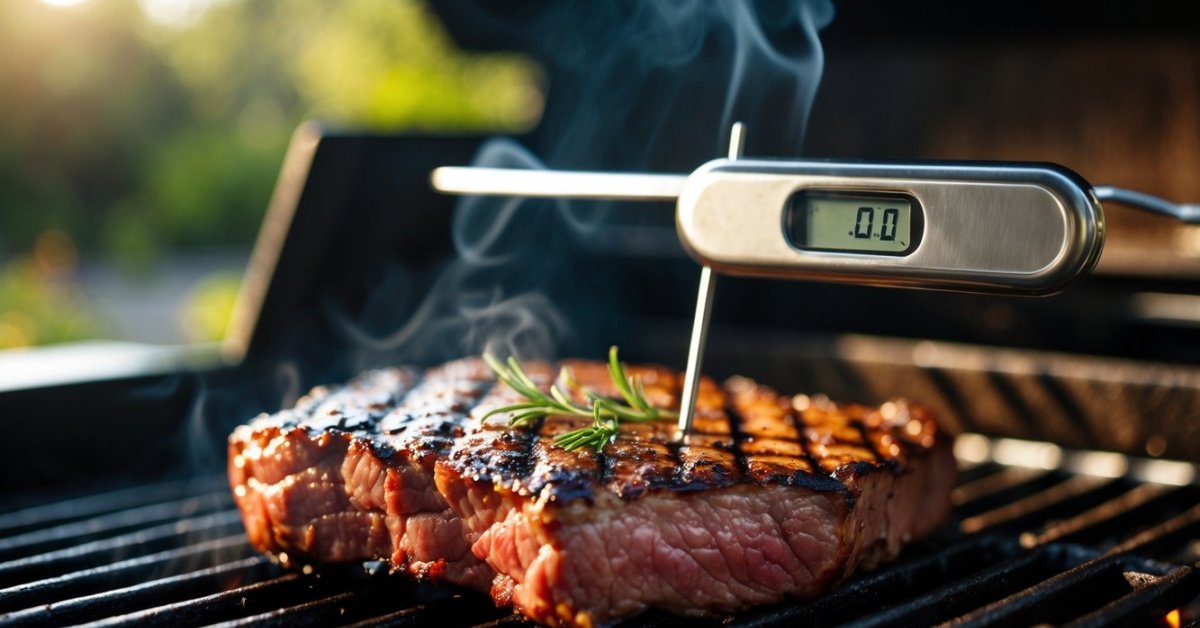
There’s nothing quite like grilling under the stars. The sizzle of food on the grill and the cool night air create the perfect backdrop for an evening cookout. But as the sun sets it gets harder to see if my steak’s at the right temp or if the chicken’s done.
That’s where a good thermometer makes all the difference. I’ve learned that the right tool can turn late-night grilling from guesswork into a breeze. Let me share what I’ve discovered about the best thermometers for grilling at night so you can grill with confidence long after dark.
Why You Need a Specialized Thermometer for Night Grilling
Lighting changes how I grill after dark, so I always use a specialized thermometer for nighttime sessions. Standard thermometers without backlit displays or illuminated probes make it tough to read temps when I’m working by moonlight or under porch bulbs. I rely on models with bright LCD screens and glowing buttons—features that let me check internal temps instantly without juggling flashlights or phone screens.
Accuracy matters more at night because low lighting hides visual cues like meat color or sear marks, so I trust thermometers with clear, quick temperature readings. Grilling brisket, ribs, or steak late, I’ve avoided undercooking or overcooking thanks to these clear displays and responsive sensors.
Wireless models with long-range connectivity let me monitor temps from inside if it gets chilly, so I don’t hover by the grill. Alarms and smart notifications let me know exactly when to check or flip food, saving time and improving safety in the dark. For every evening cookout, a specialized night grilling thermometer gives me confidence and convenience, letting flavor—not guesswork—be the focus.
Key Features to Look for in Nighttime Grilling Thermometers
Night grilling brings out deep flavors but demands gear suited for darkness. I focus on thermometers that tackle nighttime challenges so I can keep cooking after sunset.
Backlit Displays
Backlit displays matter most when the patio lights are low. I go for thermometers with sharp, high-contrast screens because they let me check temps instantly, even when I’m facing a smoky grill. For example, models from ThermoWorks and ThermoPro offer strong backlight visibility in pitch-black conditions.
Illuminated Probes
Illuminated probes help me see exactly where I’m placing the tip on a brisket or steak in the dark. I choose devices with LED-lit probes, so I don’t accidentally miss the target or touch the grate. Grilling in low light, I’ve found models like the MEATER Plus and some Weber units make probe insertion effortless after dusk.
Wireless and Bluetooth Capabilities
Wireless and Bluetooth features give me freedom to mingle while food cooks. With these, I track temps from up to 300 feet away using an app on my phone or a dedicated receiver. For brisket and pork shoulder cooks that last all night, options like the Inkbird IBT-4XS and ThermoPro TP20 keep me updated without hovering over the fire.
Accuracy and Speed
Accuracy and speed mean my steak comes off just right. I use thermometers that read within ±1.8°F and deliver readings in under 3 seconds, since quick checks are crucial when I’m working with multiple cuts at once. Expert-reviewed options like Thermapen ONE and Lavatools Javelin Pro Duo set the bar for both precision and read time.
Top Picks: The Best Thermometers for Grilling at Night
Grilling after dark calls for thermometers that handle low light, smoke, and heat without missing a beat. Below, I’ve gathered models that’ve impressed me with their clear displays, solid accuracy, and nighttime-ready extras.
Best Overall: Feature-Rich Models
ThermoWorks Thermapen ONE tops my list and sets the bar for nighttime grilling tools. Fast readings—just 1 second—mean I don’t wait around while steaks lose heat. The auto-rotating, extra-bright backlit display stays visible even under camp lights or patio string bulbs. I rely on its ±0.5°F accuracy for everything from brisket to delicate fish. It’s waterproof and holds up to sauces, rain, and Texas humidity. An automatic wake-up function helps when my hands are full, and the long battery life keeps me grilling past midnight.
Best Budget Option
ThermoPro TP03H fits night grilling budgets and packs a punch for the price. Its foldable probe works well for quick checks on burgers or chicken, and the backlit LCD makes it easy to read, even when flames flare up. I’ve tested dozens of inexpensive thermometers—this one measures temperatures in 3-5 seconds and lands within ±1.8°F, holding its own against pricier picks. The one-button operation and 10-minute auto-off save battery life during long grill sessions.
Best for Beginners
Lavatools Javelin PRO Duo helps beginners hit the right temps without fuss. Its large, brightly-lit display auto-rotates, so I never struggle for an angle in the dark. The probe folds away safely and resists splashes when I’m busy basting ribs. Simple controls, 2-3 second readings, and audible alerts take guessing out of nighttime grilling. I’ve recommended it at many BBQ classes—novices get pro results right off the bat.
Best Smart Thermometer
MEATER Plus wins on tech and convenience. Wireless design means I stick the probe in thick cuts, put the grill lid down, and monitor temps from 165 feet away on my phone. I check doneness from the couch or while prepping sides. The app’s clear graphs and custom target temps help nail brisket and pork shoulder overnight. Dual sensors—one for meat, one for ambient grill temp—keep me covered when I smoke after sundown. I love its low-light charging base and durable build, ideal for back porch BBQs well past sunset.
Tips for Using Thermometers Effectively After Dark
Check ambient light before grilling at night. I always scan my setup for well-lit surfaces, since direct light on displays or probes makes temperature checks faster. Aim portable lamps or grill lights at your work zone, but avoid glare that washes out backlit screens.
Keep backlit displays and illuminated probes clean during night grilling sessions. I’ve noticed smoke, grease, and sauce smudges easily block light, making screens tough to read. Quick wipes between checks maintain visibility and accuracy, especially when flipping multiple steaks or briskets.
Store wireless thermometer bases within your line of sight, not tucked behind tools or rubs, for reliable alerts. I found that keeping the receiver near the grill—inside a clear weatherproof bag if needed—helps me notice temperature warnings instantly, even with ambient noise or distractions after dark.
Test probe placement in daylight first if you’re trying a new thermometer. I practice on daytime cooks, learning where displays face most clearly and which meat spots yield the most accurate readings, so I don’t fumble with positions under limited visibility at night.
Sync Bluetooth or wireless apps before your night cook begins. I always pair and calibrate mine indoors by the kitchen light, since troubleshooting connectivity or app quirks is much trickier under a moonlit sky.
Bring backup batteries or a portable charger for longer night grilling sessions. I’ve run into a few dead battery surprises on overnight briskets, and a quick battery swap keeps the grill game strong while everyone else stays relaxed by the fire.
Label probe cables and handles if your thermometer supports multiple probes. Colored silicone bands or small tags help me grab the right one—even in the dark—so pork, chicken, and steak all land at the right doneness without confusion.
Use a towel or heat-resistant glove when checking readings near open flames or hot grates. At night, depth perception goes down, and I always grab an extra layer of protection to avoid accidental burns while focusing on fast, accurate temp checks.
Limit opening the grill or smoker lid during nighttime checks to reduce heat loss. Every time I peek, temperatures drop fast, and it’s harder to recover after dark with cooler air around. Accurate digital thermometers let me check temps quickly, keeping that precious heat locked in.
Conclusion
Grilling at night doesn’t have to feel like a guessing game. With the right thermometer and a few simple tricks, I’ve found that cooking after dark can be just as enjoyable as a sunny afternoon barbecue. Reliable tools and a bit of preparation go a long way in making sure every meal is safe and delicious.
So next time you fire up the grill after sunset, you’ll be ready to focus on the fun—and let your thermometer handle the rest. Happy grilling!


