
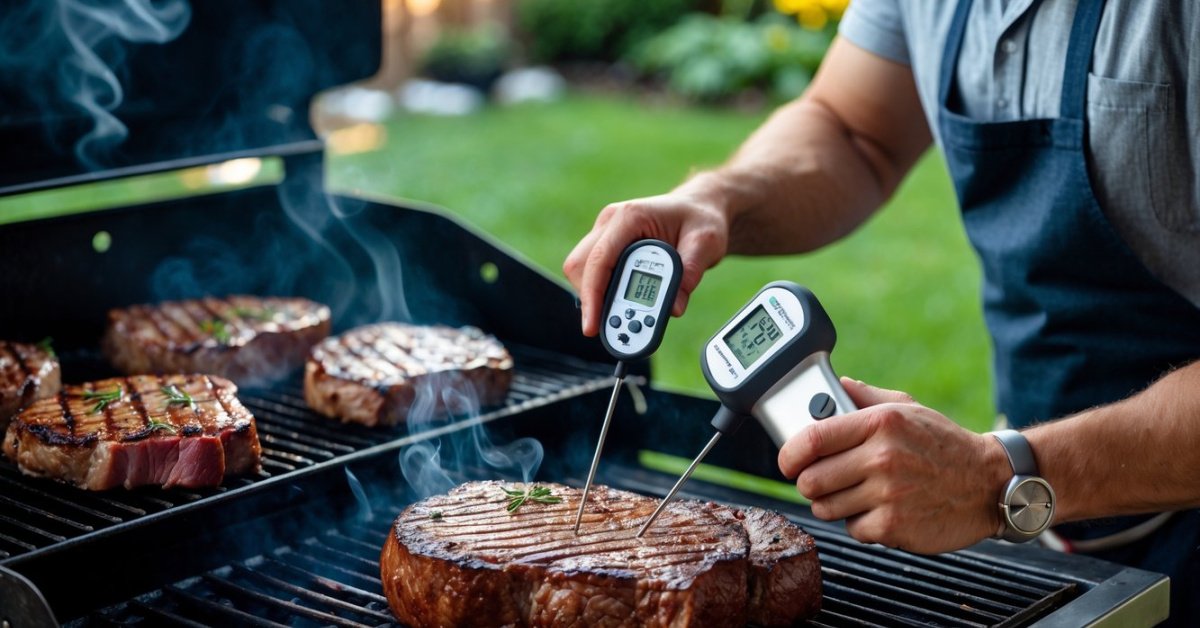
I love grilling on my electric grill but I know how tricky it can be to get the perfect temperature every time. Nothing ruins a good meal faster than overcooked steaks or underdone chicken. That’s why a reliable thermometer isn’t just a nice-to-have—it’s essential.
With so many options out there it’s easy to feel overwhelmed by all the choices. I’ve spent plenty of time sifting through different types and features trying to find what really works for electric grill users like me. If you want to take the guesswork out of grilling and serve up flawless food every time you’re in the right place.
Understanding the Importance of Accurate Temperature Control
Precise temperature control makes every grilling session on an electric grill predictable. When I set out to master various bbq recipes, I realized that consistent internal temperature determines flavor, texture, and doneness. Accurate readings prevent common pitfalls like dry chicken breasts, overdone burgers, or rare pork chops. I’ve found that relying solely on built-in grill gauges leads to guesswork because they often display surface or air temperatures, not the actual food temperature.
During my time running a Texas bbq cart, customers returned for meat that hit the right doneness every time—something only possible by using dependable thermometers. For steak, pork ribs, or smoked turkey breast, the USDA recommends target internal temperatures such as 145°F for pork and 165°F for poultry. Fine-tuning based on these guidelines consistently produces safe, delicious results.
Accurate thermometers also streamline the grilling process. With reliable tools, I avoid second-guessing and keep cooking times consistent across recipes. Grilling brisket, seared shrimp, or vegetables depends on small temperature changes—every 5°F can make a difference in tenderness or juiciness.
Accurate thermometers save both ingredients and time, improving every cookout’s outcome. Every electric grill user aiming for repeatable, tasty meals benefits from precise temperature data.
Types of Thermometers for Electric Grills
Accurate thermometers make grilling on an electric grill reliable and repeatable. I rely on three main types of thermometers, each suited for different grilling situations.
Instant-Read Thermometers
Instant-read thermometers give me quick, precise readings of internal food temperatures. Models with digital displays, like the Thermapen ONE or Lavatools Javelin PRO, measure temperature in 3-4 seconds with ±0.7°F accuracy. I use them to double-check doneness for burgers and chicken breasts every time I cook. These thermometers don’t stay in the food during cooking, so I insert them briefly when I want a temperature update.
Leave-In Probe Thermometers
Leave-in probe thermometers continuously monitor internal temperature as the food cooks. Wireless options (for example, ThermoPro TP20 or MEATER Plus) let me track doneness remotely through phone apps or external displays. Models with dual probes monitor both grill and food temps at once. When I smoke brisket or grill thick pork chops, I set a target temperature and the thermometer alerts me when it’s reached. I leave the probe in from start to finish for precise, hands-off grilling.
Infrared Thermometers
Infrared thermometers quickly measure surface temperatures, including grill grates and pans, without contact. Brands like Etekcity and ThermoWorks IR Gun can check grill surface heat within ±2°F accuracy. I point the laser at the grate and get an instant readout, which helps me prep searing zones for steak or test indirect heating areas. While they don’t monitor food interiors, infrared thermometers let me manage grill temp zones for consistent results every grilling session.
Key Features to Consider When Choosing a Thermometer
Reliable temperature readings and simple controls help me grill confidently on any electric setup. I look for certain key features when testing new thermometers to get the most out of my grilling sessions.
Temperature Range and Accuracy
Wide temperature range and high accuracy let me tackle everything from delicate fish to thick briskets. Most good grill thermometers cover 32°F to 572°F, which suits all common electric grill recipes. Precise sensors—accurate to within ±1.8°F—mean I can trust the readout for every cut, whether I’m aiming for medium-rare steak or juicy pulled pork.
Ease of Use and Readability
Large screens, quick response times, and intuitive controls speed up my grilling workflow. Bright backlit displays help me check temps on deck or in direct sun. Instant-read probes with fast readings (2-4 seconds) save me time when batch-testing burgers. I prefer thermometers with a single button or touchscreen, since complicated menus slow things down mid-cook.
Connectivity and Smart Features
App connectivity, Bluetooth, and Wi-Fi expand how I track my cooks. Wireless probes and mobile alerts let me mingle with guests while still keeping an eye on meat temps. Some models offer pre-set doneness guides and timers for different proteins, so I never miss the sweet spot on pork ribs or salmon filets. Data logging features help me repeat great results when I want to recreate winning bbq recipes.
Top Recommendations for Electric Grill Thermometers
1. Instant-Read Thermometers
Instant-read thermometers deliver precise internal meat temperatures in seconds, making them essential for electric grill users who switch between burgers, steaks, and veggies. I trust the ThermoWorks Thermapen ONE for its 1-second reading time and ±0.5°F accuracy. The backlit display and waterproof build handle BBQ splashes and outdoor lighting changes, so it’s easy to use during late cookouts or quick checks.
2. Leave-In Probe Thermometers
Leave-in probe thermometers let grillers monitor cooking temps in real time, which works especially well for briskets, pork butts, and holiday roasts. My go-to is the MEATER Plus, a fully wireless probe with Bluetooth support. It tracks both internal meat and ambient grill temperatures simultaneously. The companion app offers guided cook notifications and estimated finish times, helping me multitask around the grill.
3. Infrared Thermometers
Infrared thermometers measure surface temperatures on grates, pans, or pizza stones—ideal for electric grill owners managing heat zones for searing or indirect cooking. I use the Etekcity Lasergrip 800, which gives readings from -58°F to 1382°F with laser targeting. I point the device right at hot spots, then adjust my grilling technique to avoid cold patches or burnt sections.
4. Smart Thermometers with Connectivity
Smart thermometers appeal to tech-savvy grillers who appreciate remote monitoring. I recommend the Weber iGrill 2, which pairs with its mobile app via Bluetooth. Two included probes cover both food and grill temps, and the app’s preset alarms help ensure chicken, pork, and beef cuts reach USDA-safe temps every time.
5. Budget-Friendly Choices
Affordable options like the Lavatools Javelin PRO Duo offer strong performance for electric grills. It reads temps in 2-3 seconds, features a large rotating display, and maintains ±0.9°F accuracy. This thermometer fits smaller budgets without cutting corners on reliability.
Comparison Table of Top Electric Grill Thermometers
| Model | Type | Accuracy | Response Time | Connectivity | Price Range |
|---|---|---|---|---|---|
| ThermoWorks Thermapen ONE | Instant-Read | ±0.5°F | 1 second | None | $80–$100 |
| MEATER Plus | Leave-In Probe | ±1.0°F | N/A | Bluetooth | $90–$100 |
| Etekcity Lasergrip 800 | Infrared | ±2.0°F | Instant | None | $30–$40 |
| Weber iGrill 2 | Smart (Leave-In) | ±1.8°F | N/A | Bluetooth | $80–$90 |
| Lavatools Javelin PRO Duo | Instant-Read | ±0.9°F | 2–3 seconds | None | $50–$60 |
Tips for Proper Use and Maintenance
Calibrating Thermometers
I check my thermometer’s calibration before every grilling session, comparing its reading in ice water (32°F) and boiling water (212°F at sea level). Quick calibration checks ensure accuracy when I’m grilling ribs, brisket, or veggies.
Cleaning After Each Use
I wipe probe thermometers with a sanitizing cloth and avoid submerging their electronic parts in water. For infrared thermometers, I clean the lens gently using a soft, dry cloth. Proper cleaning keeps my devices safe for food use and prevents contaminants from affecting flavor.
Avoiding Extreme Conditions
I keep thermometers away from open flame and never leave an instant-read device inside a closed grill. Only leave-in probes rated for high heat sit inside the grill during long cooks. Following manufacturer guidelines for heat resistance guarantees a longer device lifespan.
Storing Devices Properly
I store my instant-read thermometers in protective cases. I keep leave-in probes wound loosely and shielded from moisture, then I place all gear in a cool, dry drawer to prevent electronics from corroding or probes from bending.
Replacing Batteries Promptly
I carry spare batteries to avoid getting caught mid-cook with a dead device. Battery replacements ensure consistent operation, which is crucial when grilling for friends or testing new recipes.
Inspecting Before Each Session
I inspect probes for splits, cracks, or damaged wires, especially after heavy use or exposure to moisture. A quick inspection catches issues before they can interrupt dinner or lead to inaccurate readings.
Conclusion
Choosing the right thermometer for your electric grill can make all the difference between a frustrating cookout and a memorable meal. I’ve found that investing in a dependable thermometer not only boosts my confidence but also lets me enjoy the process without second-guessing doneness.
With the right tools and a bit of care, grilling on an electric grill becomes a breeze. I hope my experiences and tips help you find the perfect thermometer for your needs so you can focus on what matters most—sharing great food with friends and family.


