
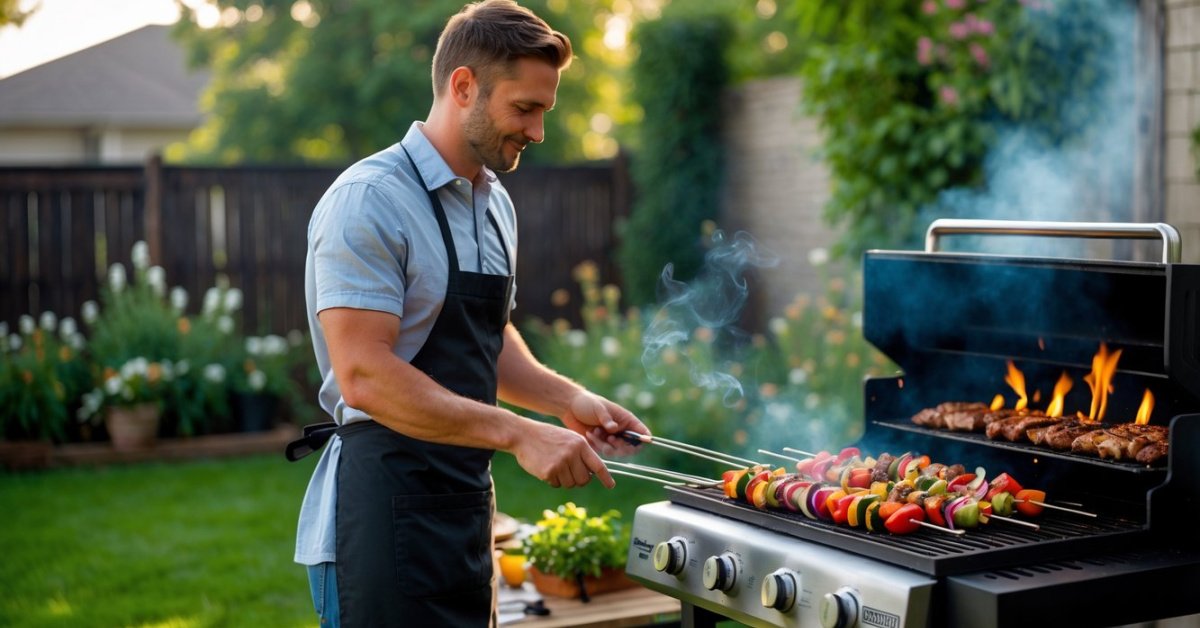
Grilling pork tenderloin always feels a little intimidating to me. I want that juicy center and caramelized crust but I worry about overcooking or serving it underdone. That’s where my trusty thermometer comes in and saves the day every single time.
I’ve learned that guessing just doesn’t cut it when I’m aiming for perfectly cooked pork. With a thermometer I get confidence and consistency no matter how thick the tenderloin or how hot the grill. If you’re like me and want to impress family and friends with juicy flavorful pork every time you fire up the grill you’ll love how simple this tool makes the process.
Why Using a Thermometer Matters for Pork Tenderloin
Using a thermometer gives exact pork tenderloin temperatures, keeping the meat juicy and safe. Pork dries out fast when its internal temperature climbs past 145°F (63°C); I’ve seen plenty of gray, chewy tenderloins from guessing alone. USDA food safety guidelines name 145°F as the point where pork’s safe to eat, meaning a thermometer removes all the guesswork.
Checking doneness by color or touch leaves too much to chance, especially with pork tenderloin’s lean structure. I measure with a digital meat thermometer to catch that perfect doneness window. In my food cart days in Texas, hitting the right temperature meant the difference between a line of happy regulars and leftovers no one wanted.
Accurate thermometers allow repeated, consistent results for every pork tenderloin batch. Friends ask about my secret for juicy pork, and I always point to my collection of grilling thermometers. Tools like instant-read or probe thermometers show results in seconds, letting me pull pork tenderloin at just the right time.
Flavor and texture both depend on not overshooting temperature. Instead of dried-out, bland slices, I lock in moisture by letting the thermometer lead. The right tools make grilling pork tenderloin easier and the results far more satisfying.
Choosing the Right Thermometer for Grilling
Picking the best meat thermometer keeps pork tenderloin juicy and never dry. Over the years I’ve tested dozens of models at my grill station.
Instant-Read vs. Leave-In Thermometers
Instant-read thermometers measure internal temperature in 3-4 seconds, giving me quick, accurate readings right at the grill. I use these when I want to check doneness fast without holding my lid open for long. Instant-read examples include the ThermoWorks Thermapen ONE and the Lavatools Javelin.
Leave-in probe thermometers stay inside the pork during grilling, tracking temperature the entire time. Pro models connect to a digital display or smartphone, letting me monitor temps remotely. That’s especially useful for long cooks or when grilling multiple tenderloins. Examples are the ThermoPro TP20 and MEATER Plus.
Features to Look For
Response time matters—fast probes get me accurate temps immediately, usually in 2-5 seconds. Accuracy ensures my pork hits 145°F (63°C) exactly every time; top thermometers guarantee ±0.9°F (±0.5°C) precision.
Backlit screens keep numbers visible for late evening grilling, and waterproof designs handle sauce splashes and steam. I check for sturdy construction so the thermometer stands up to heavy use in Texas summers.
Some models save target temps for pork, making it easy to grill different cuts back-to-back. Wireless options add convenience since I don’t need to hover over the grill—my phone gets an alert when the pork’s perfect.
Step-By-Step Guide to Grilling Pork Tenderloin with a Thermometer
Grilling pork tenderloin turns out best when I’m precise with timing and temperature. I always work to keep each step simple and exact for juicy, tender results.
Preparing and Seasoning the Pork
I start by trimming any silver skin or excess fat from the pork tenderloin since these tough bits don’t break down on the grill. I pat the meat dry with paper towels. I season the pork with a mix of kosher salt, black pepper, and a spice rub like smoked paprika or granulated garlic for extra flavor and bark. For maximum flavor impact, I let the tenderloin sit with the seasoning for at least 15 minutes, or I’ll refrigerate it uncovered for up to 4 hours.
Placing the Thermometer Correctly
I insert the thermometer probe into the thickest part of the pork tenderloin. Instant-read thermometers work best if I check at an angle through the side, while leave-in probes slide straight into the center before the meat hits the grill. I always make sure the probe doesn’t touch any fat or the grill grates because that throws off the reading. I double-check placement if the tenderloin tapers on one end, testing the thickest section for the most accurate result.
Monitoring Internal Temperature
I monitor internal temperature by keeping my leave-in thermometer display close or by keeping my instant-read handy if I’m checking manually. Pork tenderloin stays juicy and flavorful if I pull it off the grill at 145°F (63°C). When the thermometer shows 140-143°F, I move the pork to indirect heat or a cooler part of the grill and watch it closely. Carryover cooking bumps the temperature up those last few degrees. I always let the grilled pork rest 5-10 minutes before slicing so juices settle back into the meat, creating that perfect slice every time.
Tips for Achieving Perfect Doneness
Experience shows me that nailing doneness is what separates decent pork from tender, juicy perfection. Precision really counts, and a thermometer takes out all the guesswork.
Recommended Temperature Range
USDA food safety standards list 145°F (63°C) as the minimum internal temperature for pork tenderloin. I always target 145°F in the thickest section of the meat. Textural changes get noticeable—at 135°F (57°C) pork feels soft but lacks the firmness I want, while 155°F (68°C) leads to dry bites. Digital thermometers such as the ThermoWorks Thermapen or the MEATER Plus catch the mark within ±1°F, letting me pull the meat at exactly the juiciest stage. Always insert the probe from the side to reach the center, not too near the ends or fat pockets.
| Degree of Doneness | Internal Temp (°F) | Texture |
|---|---|---|
| Slightly Pink/Soft | 140-143 | Ultra juicy, very soft |
| Perfect Juiciness | 144-146 | Juicy, tender |
| Dry/Firm | 150+ | Less moist, firmer |
Resting the Pork After Grilling
Resting grilled pork tenderloin lets juices redistribute throughout the meat. I move the tenderloin from the grill to a cutting board, tent it loosely with foil, and leave it undisturbed 7-10 minutes. Cutting too soon drains vital juices, leaving dry slices. In my food cart days, resting consistently meant satisfied customers and repeat business. Thermometer readings rise 2-4°F during this rest (known as “carryover cooking”), so I pull my pork at 143°F if I want nail-precise results at 145°F.
Common Mistakes to Avoid
Skipping thermometer calibration causes inaccurate readings, especially with new or poorly stored devices. Calibrating my thermometer before grilling prevents overcooking or undercooking pork tenderloin, maintaining accuracy every time.
Trusting poke tests or meat color misleads when grilling pork tenderloin. Pork remains pink at safe temperatures, so relying on touch or color cues leads to dry or unsafe results. I always check internal temperature with my thermometer.
Placing the probe against the bone, fat, or grill grates delivers false readings. I insert the thermometer into the thickest part of the tenderloin, avoiding contact with fat or hardware for an accurate core temperature.
Lifting the grill lid too often changes the internal temperature of the grill, slowing the cooking process. Frequent checking extends cooking time and invites uneven results. I trust the thermometer to track doneness, minimizing lid lifts.
Ignoring carryover cooking causes the pork to overshoot the perfect doneness. Pork tenderloin continues to rise by 2°F-4°F (1°C-2°C) after leaving the grill. I pull my tenderloin at 143°F (62°C) to let it climb to 145°F (63°C) while resting.
Forgetting to rest the meat rushes the process, losing juices on the cutting board. Resting for 5-10 minutes locks in moisture, preventing dryness and improving texture. I always wait before slicing, even if I’m hungry.
Failing to clean and store thermometers reduces accuracy and lifespan. Grease or debris from the probe skews future measurements. I clean and dry my thermometer after every cook, storing it safely away from heat and moisture.
Conclusion
Grilling pork tenderloin used to make me nervous but now I look forward to it every time. Having a reliable thermometer by my side takes out all the guesswork and lets me focus on enjoying the process. Once you get comfortable with your thermometer and trust it you’ll find grilling pork tenderloin is not just easier but way more fun.
With a little practice you’ll be amazed at how simple it is to serve juicy flavorful pork every time. Your friends and family will notice the difference—and you’ll feel like a grilling pro.


