
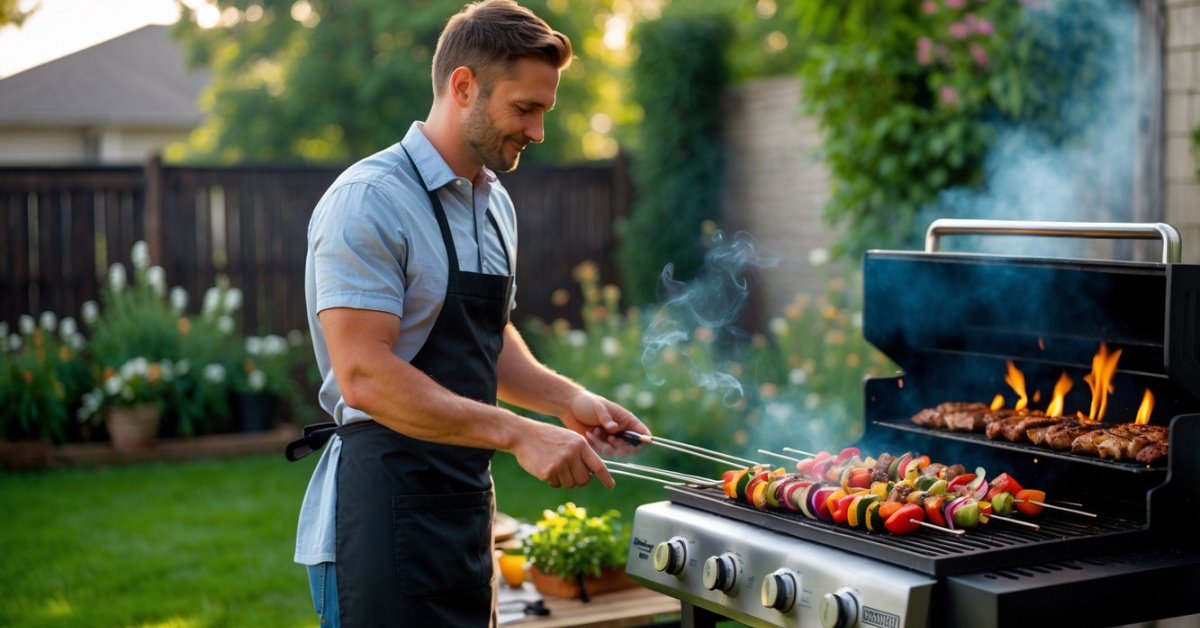
When I started grilling more plant-based foods I quickly realized that nailing the perfect texture and flavor isn’t just about the marinade or seasoning. It’s all about temperature. Unlike meat veggies and plant-based proteins have their own sweet spots and a good thermometer can make all the difference between undercooked and overdone.
I used to think any old thermometer would do but the right one can really elevate your grilling game. Whether I’m searing tofu or grilling thick portobello mushrooms I want my food to be just right—crisp on the outside juicy in the middle. Let’s take a look at how to pick the perfect thermometer for plant-based grilling so every bite is spot on.
Understanding the Importance of Accurate Temperature in Plant-Based Grilling
Precise temperature matters more with plant-based grilling than with traditional proteins. I’ve noticed plant-based foods, like grilled squash or marinated tofu, react fast to small temperature shifts—going from underdone to mushy in a short window. Texture changes quickly in foods like portobello mushrooms, veggie burgers, or jackfruit, so I rely on accurate thermometers to get the right mouthfeel.
Consistent doneness gets tricky with plant-based grilling because different ingredients—like thick cauliflower steaks or stuffed bell peppers—heat at different rates even on the same grill. Without a precise reading, one part might scorch while another stays raw. I’ve seen this a lot with veggie kabobs, where pieces like zucchini and onion char unevenly if their temperature isn’t monitored closely.
Food safety also comes into play. While most plant-based foods don’t carry the same pathogens as meat, some proteins—think tempeh or fortified plant patties—still contain soy or wheat that benefits from full cooking. Accurate thermometers help me avoid bitter tastes from undercooked ingredients and the disappointment of overcooked, rubbery textures.
Repeatable results every time depend on nailing down temperature, not guesswork. When friends ask how I get grilled tofu so crisp outside yet tender inside, I point straight to my trusty digital thermometer.
Key Factors to Consider When Choosing a Thermometer
Picking the right thermometer lets me grill plant-based foods perfectly every time. Different thermometers offer unique benefits for keeping texture and flavor spot on.
Types of Thermometers for Grilling
Choosing the best type of thermometer depends on what I’m grilling. Instant-read thermometers give me quick, accurate readings for things like veggie burgers, tofu, or thin portobello mushrooms. Leave-in probe thermometers let me keep track of thicker items, such as cauliflower steaks or whole eggplants, without opening the lid. Infrared thermometers work well for checking grate surface temps but don’t measure internal food temperature. For plant-based grilling, instant-read and leave-in probes give me the most reliable results.
Temperature Range and Sensitivity
Selecting a thermometer with a wide temperature range helps me handle everything from delicate vegetables to dense, plant-based sausages. I look for thermometers starting at 32°F and going at least up to 482°F. Sensitivity matters for plant-based foods since a 5-10°F difference can change texture fast. Models accurate to at least ±2°F, like the ThermoWorks Thermapen or Lavatools Javelin, keep every batch consistent.
Probe Length and Material
Using the right probe length makes it simple for me to reach the center of big items, like thick squash halves or stuffed bell peppers, without burning my knuckles. Probes around 4 to 6 inches handle most plant-based foods. Stainless steel probes last longest and clean up fast, even after sticky marinades or sugary barbecue glazes. I avoid plastic coatings since high grill heat can damage them.
Ease of Use and Cleaning
Grabbing a thermometer that’s easy to read and operate speeds up my grilling. Large digital displays let me check temps in sunny backyards. I stick with thermometers that have simple buttons and fast response times. Cleaning matters, especially with oily marinades or charred veggie juices. Waterproof or water-resistant models can be rinsed fully, and detachable probes make it easier to scrub away buildup. I always check that the buttons and mechanisms hold up to frequent cleanings.
Top Thermometer Features for Plant-Based Grilling
Finding the right features in a grilling thermometer makes a big difference, especially when I’m cooking plant-based foods. Accurate temperature checks mean perfect veggies every time.
Quick Read Times
Quick read times speed up the grilling process and keep plant-based foods from overcooking. I look for thermometers that give accurate readings in fewer than 3 seconds—examples include the ThermoWorks Thermapen ONE or Lavatools Javelin PRO Duo. Speed helps when grilling delicate foods like zucchini slices or thin veggie burgers that can turn mushy fast if left unchecked.
Waterproof and Heat Resistance
Waterproof and heat resistance features keep thermometers working in tough grilling conditions. I always choose models with IP66 or IP67 ratings, since grill-outs sometimes mean splashes from marinades or rain. Heat resistance matters when dealing with direct flames or leaving probes in hot grill zones—stainless steel probes usually withstand heat up to at least 500°F, making them reliable for repeated use with high-heat foods like marinated tofu.
Digital Versus Analog Displays
Digital versus analog displays provide different usability experiences in grilling. I use digital thermometers for plant-based grilling because they display precise temperatures instantly, even in low light or smoky setups—units like the ThermoPro TP19 make quick checks easy. Analog displays work too, but I’ve found them slower and sometimes harder to read when I’m juggling kabobs, buns, and veggie patties at once.
Recommended Thermometers for Grilling Plant-Based Foods
I’ve tested dozens of thermometers in my years of running a Texas bbq food cart and now while trying every plant-based grilling recipe I can find. These picks match the demands of veggie kabobs, marinated tofu, portobello caps, and specialty patties.
1. ThermoWorks Thermapen ONE
Thermapen ONE delivers accurate, three-second readings every time I’ve checked smoking portobellos or fragile veggie sliders. Its backlit digital readout is easy to spot, even during dusk grilling. Waterproof build (IP67) handles marinades and grill-side splashes.
2. Lavatools Javelin PRO Duo
Javelin PRO Duo’s long probe pierces zucchini planks and thick cauliflower steaks without crushing soft insides. I get a precise temperature for even delicate tempeh strips, and the auto-rotating display swivels for quick checks whether I’m flipping kabobs or resting patties.
3. ThermoPro TP19H
TP19H fits tight grilling setups or busy hands. I rely on its magnetic back to store it right near my prep area. Fast response and clear readings keep me on top of small plant-based bites, while the waterproof body cleans up fast after saucy foods.
4. ThermoWorks ChefAlarm
ChefAlarm works for longer grill sessions when I want leave-in monitoring for bigger seitan roasts or layered grilled veggies. Its high/low alarm feature means I don’t lose track of subtle temp shifts. The stainless steel probe gives robust performance and easy cleaning.
5. Etekcity Lasergrip 800 Infrared Thermometer
Lasergrip 800 checks grill grates instantly. I use it for surface temp checks before laying down vegan burgers or asparagus. It doesn’t read internal food temperature but ensures I’m searing at exactly the number I want.
| Thermometer | Read Time (seconds) | Probe Length | Waterproof Rating | Display Type | Notable Feature |
|---|---|---|---|---|---|
| ThermoWorks Thermapen ONE | 1 | 4.3″ | IP67 | Digital, backlit | Fast, lab-grade sensor |
| Lavatools Javelin PRO Duo | 2-3 | 4.5″ | IP65 | Digital, auto-rotate | Swiveling display |
| ThermoPro TP19H | 2-3 | 4.3″ | IP65 | Digital | Magnetic backing |
| ThermoWorks ChefAlarm | <10 | 6″ | Splashproof | Digital, large | High/low alarms, timer |
| Etekcity Lasergrip 800 | Instant (infrared) | N/A | N/A | Digital, laser guide | Spot checks grill surface |
I always look for accuracy, speed, and practical features to grill plant-based foods consistently. Each thermometer on this list handles real-world grilling—spills, thick and thin cuts, and smoky outdoor sessions—while making it easy to nail perfect texture every time.
Tips for Using Your Thermometer Effectively
Check calibration before grilling plant-based foods. I test my thermometer using ice water or boiling water to confirm accuracy before each long session—most digital models let me recalibrate if I see a big variance.
Insert the probe in the thickest section of the food. I stick my probe into the center of tofu planks, veggie burgers, or portobello mushroom caps, making sure it doesn’t poke through the other side for an accurate core reading.
Avoid contact with grill grates or pans when checking temperatures. I keep the probe away from surfaces to prevent false-high readings, especially when measuring thin items like sliced eggplant or tempeh strips.
Clean the probe after every reading. I wipe the stainless steel probe with a damp cloth or sanitize it between foods to prevent flavor transfer from strong-tasting items like onions or marinated jackfruit.
Allow time for instant and stable readings. I hold the probe in place for the full read time—1 to 3 seconds for fast digital thermometers—until the number stabilizes, which prevents guessing and delivers better grilling results.
Monitor carryover cooking in thicker plant-based items. I pull dense plant-based loaves and skewers off the grill a few degrees early, since residual heat brings them up to the perfect finish on the plate.
Store the thermometer with care after grilling. I place my thermometer in a dry, protected spot so the electronics and probe last longer, helping maintain performance across many grilling sessions.
Conclusion
Grilling plant-based foods is so much more enjoyable when I know I’ve got the right tools on hand. With a reliable thermometer that suits my needs I can focus on creativity and flavor instead of worrying about undercooked or mushy results.
I’ve found that a little attention to thermometer features makes all the difference for stress-free grilling. Once I started using the right thermometer my plant-based cookouts became more consistent and delicious every time.


