
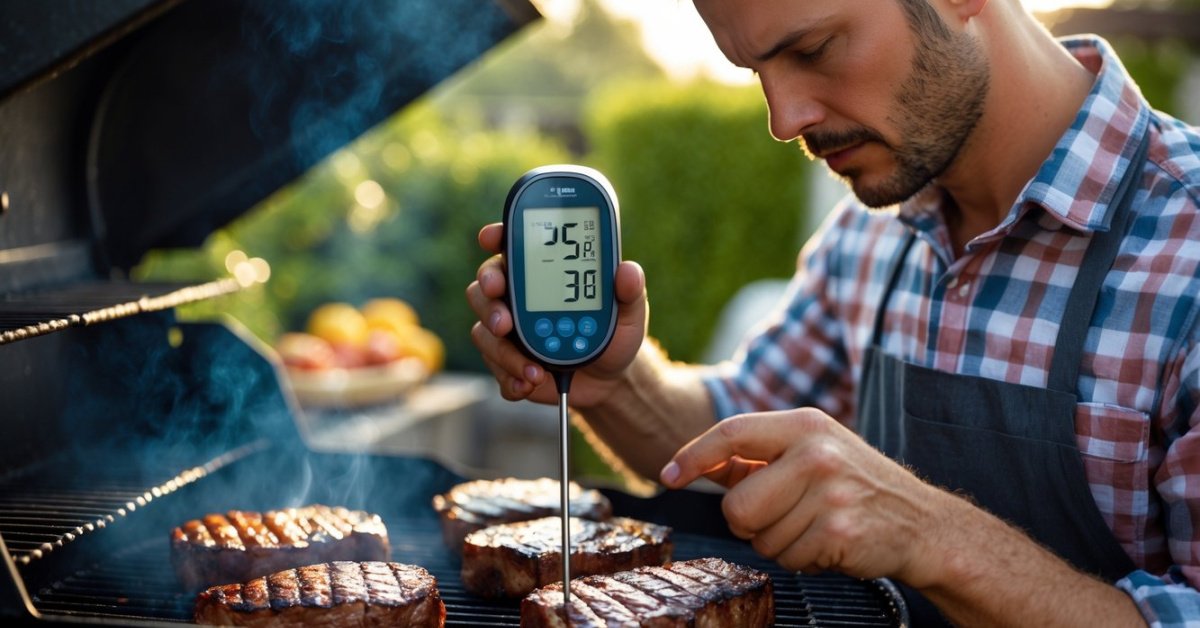
Grilling pork always feels like a treat but getting it just right can be tricky. I’ve learned that the difference between juicy perfection and a dry disappointment often comes down to one simple tool—a reliable thermometer. With so many options out there it’s easy to feel overwhelmed when trying to pick the right one for your grill sessions.
I want to make sure every pork chop or tenderloin I serve is both safe and delicious. That’s why finding the best thermometer matters so much to me. If you’re like me and want to take the guesswork out of grilling pork you’re in the right place.
Understanding the Importance of Accurate Temperature in Grilling Pork
Accurate temperature readings help me lock in juicy texture and keep pork safe to eat. Undercooking pork puts diners at risk for foodborne illnesses like trichinosis or salmonella, both tracked in USDA guidelines. Overcooking dries out pork, making it tough and tasteless.
Digital thermometers let me avoid those issues. Instant-read models show the core temp of pork chops, ribs, or shoulders within seconds. Probe thermometers give constant monitoring during low-and-slow cooks or whole cuts.
Pork requires a minimum internal temperature of 145°F, according to the USDA. Every time I grill pork on my backyard smoker or my old Texas food cart, I aim for that number to get both safety and the right tenderness. Accurate thermometers eliminate guesswork and improve my results every time I fire up the grill.
Key Features to Look for in a Grill Thermometer
Choosing the right thermometer changed how I grill pork. Reliable features help me keep pork juicy and safe, batch after batch.
Types of Thermometers: Instant-Read vs. Leave-In
Thermometers come in two main styles for grilling—instant-read and leave-in. Instant-read thermometers give a temp number in seconds after I insert the probe, perfect for quick checks just before pulling pork off the grill. Leave-in models stay inside the meat or grill the whole time, showing ongoing temps on a display outside the cooker. When smoking pork loin for hours, leave-in thermometers with dual probes help me watch both internal meat temps and grill temps at once. Fast spot-checks work best with instant-read; consistent tracking fits leave-in models.
Temperature Range and Accuracy
Thermometer specs list their temperature range and accuracy, making both factors critical. Pork cooks best inside 145°F–205°F, so models that read at least 32°F–482°F handle anything from chilled meat right up to grill grate temps. Accuracy within ±1.0°F keeps my pork safe and juicy every time. I avoid anything that drifts by more than 2 degrees, based on side-by-side testing on pork shoulder and ribs.
Probe Length and Durability
Probe length determines whether a thermometer can reach the thickest part of a pork chop or loin roast. Eight-inch probes work for everything I grill, from thin cutlets to stuffed pork belly. Sturdy, stainless steel probes hold up to repeated use and even direct contact with hot grill grates. Flexible cords on leave-in probes also keep their shape after hours of slow smoking without kinking or fraying.
Readout Display and Ease of Use
Readout displays that are backlit and large stay readable in bright sun or low evening light outside. Digital screens that show temps in both Fahrenheit and Celsius add versatility when I follow international recipes. Simple one-button resets and clear markings for set temps help me track progress on busy grilling days. I look for thermometers that beep, vibrate, or blink when the target temp hits—the pork’s always cooked to perfection, not left to guesswork.
Factors to Consider When Choosing a Thermometer for Pork
Finding the right thermometer for pork grilling changes the way I approach every cook. I always match my tools to the cut, grill setup, and flavor goals.
Suitability for Different Cuts of Pork
Matching a thermometer to pork cut matters most. Thick pork shoulders and whole loins need long probe thermometers or leave-in models, so I always get even center temperatures. Thin pork chops or ribs benefit most from instant-read thermometers since they give me quick checks without losing moisture. I keep at least one reliable instant-read and a sturdy probe on hand for these different tasks.
Wireless and Smart Features
Wireless and smart thermometers clear up grill space and make monitoring easy. I prefer Bluetooth or Wi-Fi enabled options, as I can track pork temps on my phone while prepping sauces or sides. Many modern thermometers offer app integrations, temp alerts, and graphical charts. My favorite feature remains probe multiplexing: monitoring several pieces of pork at once, especially during big cookouts.
Cleaning and Maintenance Requirements
Ease of cleaning keeps thermometer performance consistent long term. I stick to models with stainless steel probes and waterproof bodies, making it possible to wipe them down right after use. Removable probes or dishwasher-safe parts save me time during long grilling sessions. Durable buttons and protected screens help with frequent backyard use, especially with sauces and pork juices splattering everywhere.
Top Recommendations for Pork Grilling Thermometers
I’ve tested dozens of grilling thermometers on pork—shoulder, loin, ribs, you name it—across various bbq settings. The models on this list deliver reliable accuracy, fast response, strong construction, and grilling features I trust.
Top Digital Instant-Read Thermometers
- ThermoWorks Thermapen ONE
Thermapen ONE reads temps in just 1 second. I trust its ±0.5°F accuracy for every pork chop or tenderloin. Its waterproof body and auto-rotating backlit display let me check temps outdoors, even at night.
- Lavatools Javelin PRO Duo
Javelin PRO Duo gives readings in 2-3 seconds and keeps a ±0.9°F threshold. Its large ambidextrous display and magnetic back make it handy for quick checks on everything from pork sausages to thick butts.
Top Leave-In Probe Thermometers
- MEATER Plus Wireless Smart Thermometer
MEATER Plus cuts the cord with Bluetooth control, letting me monitor pork’s internal temp and ambient grill heat from my phone. Twin sensors and cloud connectivity make it ideal for smoked pork shoulders and lengthy slow cooks.
- ThermoPro TP20 Wireless Remote Digital
ThermoPro TP20 brings dual probes and a wireless base station, so I never cling to the grill for updates. Its preset USDA pork temps and alarm features help me nail safe, juicy results every time.
Specialized and Multipurpose Options
- Maverick ET-733 Long Range Thermometer
Maverick ET-733 tracks two cuts at once, perfect for pork roasts and ribs on split grills. Its 300-foot range fits large outdoor bbqs with lots of guests.
- Weber iGrill 2 Smart Thermometer
Weber iGrill 2 supports up to four probes, making it my choice when I grill pork chops, tenderloins, and sausage in one session. Bluetooth pairing and color-coded feeds keep each cut’s progress visible on my phone.
Performance Comparison Table
| Model | Type | Response Time | Probe Count | Connectivity | Notable Features |
|---|---|---|---|---|---|
| Thermapen ONE | Instant-read | 1 second | 1 | None | Waterproof, backlit, ultra-fast accuracy |
| Javelin PRO Duo | Instant-read | 2-3 seconds | 1 | None | Large display, magnetic, foldable probe |
| MEATER Plus | Wireless probe | <5 seconds | 1 | Bluetooth, Cloud | No wires, app-enabled, ambient monitoring |
| ThermoPro TP20 | Remote probe | <6 seconds | 2 | Wireless | Pre-sets, alarms, rugged |
| Maverick ET-733 | Remote probe | ~5 seconds | 2 | Wireless (300 ft range) | Dual probe, large lcd, long range |
| Weber iGrill 2 | Smart probe | ~5 seconds | Up to 4 | Bluetooth | Multi-probe, app interface |
Every thermometer above has handled pork grilling in my own test cooks. Each one helps lock in the perfect texture and keeps my pork both safe and full of flavor, no matter the cut or method.
Tips for Using a Thermometer Effectively While Grilling Pork
- Insert Probes Correctly
I insert the thermometer probe into the thickest part of the pork, avoiding bone, fat, or gristle. Probes touching bone or fat misread temperatures by about 5°F to 10°F.
- Monitor Multiple Zones
I check different spots on larger cuts like pork shoulder or loin. Temperature gradients of up to 15°F happen with uneven heat or thicker portions.
- Avoid Opening the Grill Repeatedly
I keep the grill lid closed as much as possible. Frequent opening drops chamber temperature by up to 50°F, lengthening cook times and skewing readings.
- Watch for Carryover Cooking
I pull pork off the grill at 143–144°F internal temperature. Carryover cooking raises the internal temp 2°F to 5°F after resting, landing right at the USDA minimum of 145°F.
- Clean the Probe Between Uses
I wipe the thermometer probe with sanitized cloth or alcohol before each reading. Residue or drippings on probes can affect accuracy and food safety.
- Use Alarms and Timers
I set custom temperature alarms on smart or digital models, alerting me before pork overcooks. Built-in timers help me track resting periods for juicier results.
- Handle Thin Cuts Quickly
I use instant-read thermometers for chops or tenderloins. Quick insertion and removal prevent heat loss and overcooking, with responsive models taking 2–3 seconds.
- Adjust for Grill Hot Spots
I rotate pork or probe position during grilling. I find that some grill sections run hotter by 25–50°F, so checking multiple spots prevents undercooked or overdone pork.
- Rest Pork After Cooking
I loosely tent grilled pork with foil and rest it for 3–10 minutes. Resting redistributes juices, while the thermometer confirms carryover temp increases.
- Replace Batteries Regularly
I check battery levels on digital and wireless thermometers before long grilling sessions. Low power causes lagging displays or incomplete readings, especially on multi-hour smokes.
Conclusion
Choosing the right thermometer has made grilling pork so much easier and a lot more fun for me. I love knowing I can count on juicy results every time without second-guessing if the meat’s done or not.
With the right tools and a little practice I’ve found that grilling pork is less stressful and a lot more rewarding. If you haven’t tried using a quality thermometer yet I promise it’s a game changer for both flavor and peace of mind.


