
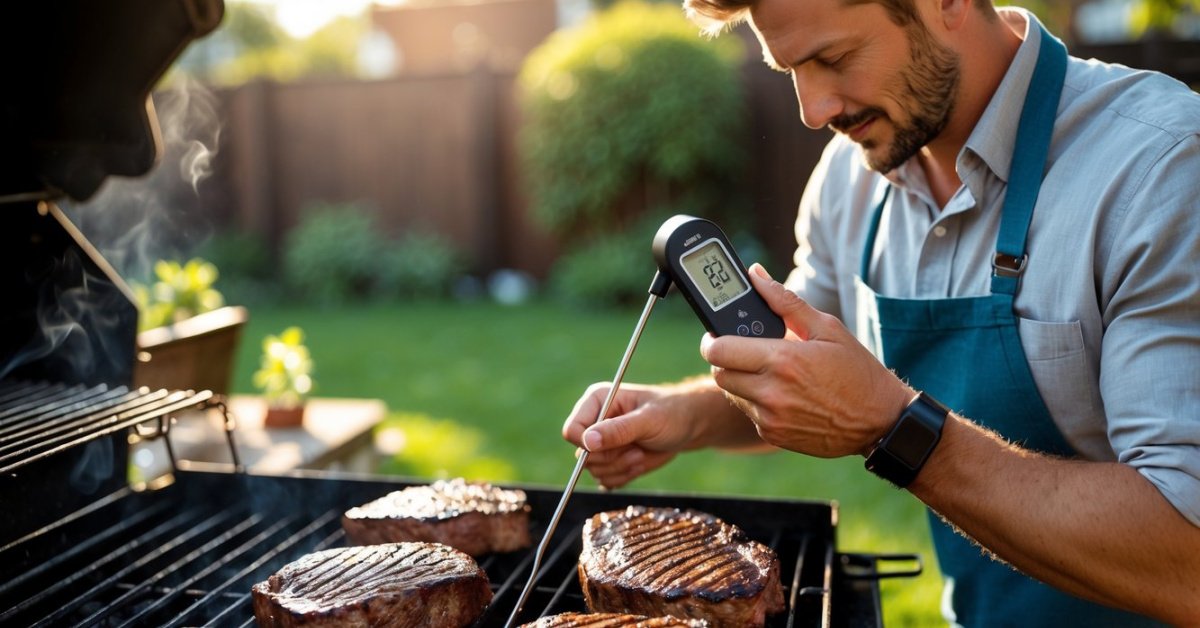
When I’m firing up the grill I want every steak and burger to come out just right. Guesswork can turn a perfect BBQ into a guessing game no one wants to play. That’s why I’ve learned that having the right tools makes all the difference.
Fork thermometers have become my secret weapon for quick and easy grilling checks. They combine the classic feel of a grilling fork with the instant feedback of a thermometer so I never have to wonder if my food’s done. With so many options out there finding the best one can seem overwhelming but I’ve got you covered.
Why Use a Fork Thermometer for Grilling?
Checking grill temps with a fork thermometer saves time and keeps food juicy. I like how fork thermometers combine two tools in one—so I can flip steaks, test burgers, and quickly check doneness without switching gadgets. Temperatures pop up fast, usually within 3–4 seconds, unlike dial thermometers that take longer. Seeing the temp on a digital display lets me serve briskets, ribs, or chicken breasts at the exact degree I want without cutting in and losing juices.
Confidence climbs when I use a fork thermometer at the grill. Built-in doneness guides keep me from second-guessing, whether I’m grilling bone-in chops or stuffed peppers. I get fewer overcooked spots and more evenly done food, even at backyard parties where I’m cooking eight or more burgers per batch.
Cleaning goes faster too. Wipes and soapy water get the stainless steel tines clean—no complex parts to mess with. Out in the Texas heat or chilly fall evenings, I rely on these for repeatable results and better-tasting bbq every single time.
Key Features to Look For in Fork Thermometers
Some fork thermometers make grilling easier and more accurate than others. I always check for specific features before adding a new fork thermometer to my toolkit.
Accuracy and Speed
Accurate and speedy readings help avoid undercooked steak and overdone burgers. Most top models display temperatures within 3–4 seconds, matching what I’ve seen in thermocouple probes. Units with slow or fluctuating results, like a few cheap brands I’ve tested, don’t keep up with the real pace of grilling. Precision within ±1.5°F ensures juicy chicken or perfectly medium-rare beef every time.
Temperature Range and Presets
Wide temperature ranges handle anything from rare lamb to well-done pork. Ranges from 32°F to 572°F work for nearly every protein I grill, including brisket and thick pork chops. Integrated presets help beginners and seasoned grillers alike by suggesting USDA-approved safe temperatures for meats like steak, poultry, and fish. Models with digital doneness indicators—such as those from Taylor and Char-Broil—guide cooks without needing a separate chart or app.
Build Quality and Ergonomics
Sturdy construction stands up to high-heat grilling, repeated washing, and heavy flipping. Stainless steel tines and reinforced handles, like those in many Texas-made brands I’ve used, handle larger cuts and long days by the pit. Comfortable grips reduce hand fatigue when cooking for a crowd, and simple button placement lets me switch between Fahrenheit and Celsius with greasy hands.
Ease of Cleaning and Maintenance
Easy cleaning saves time after a long grill session. Models with sealed electronic components prevent grease intrusion that can ruin digital displays. Dishwasher-safe forks cut cleanup down to minutes, not hours. Removable batteries extend product life, and tines with anti-bacterial coating—an upgrade I always recommend—help avoid cross-contamination in busy outdoor kitchens.
Top Picks: The Best Fork Thermometers for Quick Grilling Checks
I’ve tested dozens of grilling thermometers over the years, so I know how much a reliable fork thermometer matters when timing is everything. These top picks stand out for speed, accuracy, durability, and real-world grilling convenience—qualities I look for every time I fire up the grill.
ThermoPro TP07 Digital Fork Thermometer
ThermoPro TP07 delivers fast, precise readings in about 3 seconds, which helps when handling multiple steaks. Its large backlit display makes temps easy to read during Texas dusk or late-night BBQs. Preset USDA doneness levels for beef, pork, chicken, and more help eliminate guesswork. Sturdy stainless steel tines handle thick brisket and delicate fish. I appreciate the ergonomic handle for secure flipping.
OXO Good Grips Chef’s Precision Digital Instant Read Thermometer
OXO Good Grips Chef’s Precision provides instant temp checks—usually under 4 seconds—and boasts a straightforward, no-nonsense interface. Its soft, non-slip handle reduces hand fatigue, which comes in handy when grilling large batches. While not a traditional fork shape, its elongated probe performs reliably for burgers, chicken, or chops. The splash-proof design helps when things get messy around the pit.
Char-Broil Digital Instant Read Fork Thermometer
Char-Broil Digital Fork combines quick 3–4 second readings with user-friendly doneness presets for poultry, beef, and pork. Oversized, easy-grip handle adds control during busy grilling sessions. I like the clear digital readout and the handy built-in timer feature, which takes multitasking off my mental plate. Sealed electronics mean it cleans up fast after a saucy rib cookout.
CDN ProAccurate Meat & BBQ Fork Thermometer
CDN ProAccurate offers a wide temp range (32°F to 572°F), supporting everything from rare steak to pork shoulder. Tines are strong yet thin enough for fish fillets. The bright display stays readable outdoors, and built-in doneness guides fit for brisket, sausage, and chicken help streamline busy cooks. Stain-resistant construction stands up to frequent use—and Texas BBQ sauce spills—on the job.
How to Get the Most Out of Your Fork Thermometer
I rely on my fork thermometer for seamless grilling sessions, especially when timing’s tight and flavor really matters. Mastering a few basics keeps every cookout stress-free and precise.
Tips for Accurate Temperature Readings
I get the most precise numbers by inserting the fork thermometer’s tines into the thickest part of steaks or chicken breasts, away from bone or fat, since those can skew the reading. I wait for the display to stabilize—usually just 3 or 4 seconds with top models—before trusting the result. For burgers, sausages, or thinner cuts, I angle the tines horizontally to reach the center. I check each piece individually when grilling a batch, since grill zones heat up differently. I reference my model’s built-in doneness presets or USDA temperature guidelines (145°F for beef, 165°F for poultry) to match the meat type I’m cooking. I always avoid leaving the fork thermometer in the meat on the grill, since it’s an instant-check tool and not a leave-in probe.
Proper Cleaning and Storage
I keep my fork thermometer in top condition by cleaning it right after every use, before grease hardens. I wash the tines with hot, soapy water and use a soft cloth or brush to remove any char. Most stainless steel tines handle scrubbing, but I never submerge the handle or electronic parts—I wipe those with a damp cloth. If the model’s dishwasher-safe (like some of my favorites), I run only the fork section through a cycle. I always dry it thoroughly to prevent rust. I store the thermometer in a dry place, away from direct sunlight or grill heat, to preserve the electronic components. I check battery levels before a big cookout so there are no surprises when I’m testing doneness on a busy grill night.
Conclusion
Grilling should be fun and stress-free and that’s exactly what the right fork thermometer brings to the table. I love knowing I can trust my tools to deliver perfect results every time without any second-guessing or unnecessary hassle.
Whether you’re a weekend barbecue enthusiast or just want to serve juicy steaks to your friends and family you’ll appreciate how much easier and more enjoyable grilling becomes with a reliable fork thermometer. Happy grilling!


