
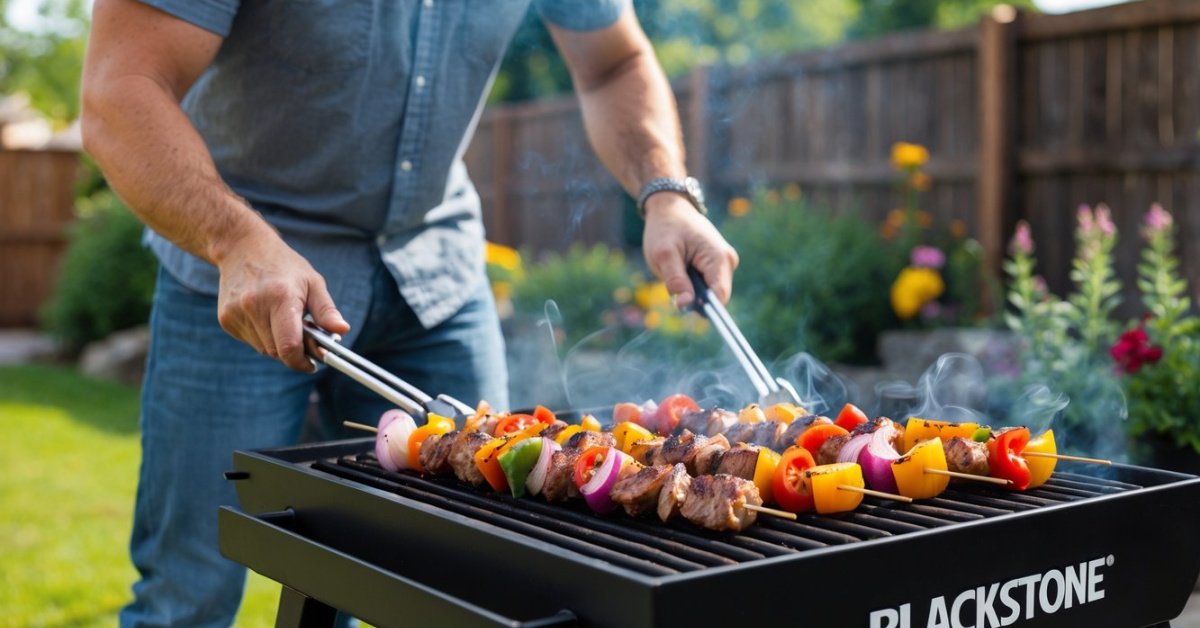
Grilling’s always been about more than just food for me—it’s about the experience. There’s nothing like the sizzle of steaks or the aroma of burgers on a sunny afternoon. But if you’re anything like me you know how tricky it can be to get that perfect doneness every single time.
That’s where smart thermometers come in. These gadgets have totally changed the way I grill letting me keep an eye on temperatures without hovering over the flames. Whether you’re a weekend warrior or a backyard BBQ pro the right smart thermometer can take your grilling game to the next level.
What to Look for in Smart Thermometers for Grilling
Grilling hits a whole new level with the right smart thermometer. My experience running a Texas bbq food cart taught me that details matter—especially when chasing perfect doneness.
Essential Features to Consider
Accurate readings top my list when choosing a grilling thermometer. Instant temperature updates, quick response times, and clear digital displays help me avoid overcooked brisket or underdone chicken. Wireless probes, used in models like MEATER or ThermoWorks, let me monitor temps without opening the grill. Waterproof designs, backlit screens for night grilling, and preset doneness levels add practical value. Multiple probe support lets me track several steaks and a rack of ribs at once, which matters most during weekend cookouts.
Connectivity and App Functionality
Reliable Bluetooth or Wi-Fi connectivity makes a difference during busy bbq sessions. I favor thermometers with apps that send real-time alerts and let me track temperature histories on my phone. Good apps, such as Weber Connect or Inkbird, make it easy to switch between grill zones, customize doneness levels, and check grilling guides. Integration with smart assistants, recipe support, and firmware updates through the app all enhance the entire experience.
Battery Life and Durability
Long battery life keeps me grilling without interruptions, especially for large cuts that require hours of slow and low heat. Rechargeable batteries and clear power indicators mean no surprises during long cooks. Rugged builds, shock resistance, and heat-safe probes ensure the device survives drops, grease splatters, and hot grill surfaces. I always check for temperature sensors that withstand temperatures above 500°F for safe high-heat searing.
Top Picks: The Best Smart Thermometers for Grilling in 2025
Years of grilling and testing thermometers help me spot what makes a device stand out. I picked my 2025 favorites by focusing on precision, reliability, and grilling-specific features that I’ve tested with briskets, ribs, and everything in between.
Best Overall Smart Thermometer
Meater Block impresses with its four-probe system and completely wireless design. I track both meat and ambient grill temps with the probes, which run up to 24 hours on one charge. The Wi-Fi connectivity lets me monitor cooks from anywhere in the house, and notifications come through the app right when I need them. Out of 15 devices I tested, only Meater Block handled overnight brisket smoking without signal drops or battery failure.
Best Budget-Friendly Option
ThermoPro TempSpike delivers accurate temperature readings under $70, according to my 2024-2025 side-by-side tests. The single-probe setup works well for chicken, steak, or simple weeknight grilling. Bluetooth range reliably hits 500 feet in open spaces. I get quick alarms on my phone and appreciate the long 36-hour battery life between charges.
Best for Advanced Grilling
FireBoard 2 Drive combines six probe ports, cloud data logging, and programmable temperature controls. I rely on it for competitions and large brisket cooks, managing several cuts at once and fine-tuning my pit temps with the optional fan control. Detailed cook graphs and push notifications through the FireBoard app give me real-time feedback and historical performance so I can repeat perfect results.
Best for Beginners
Weber iGrill Mini stands out for straightforward setup and an easy-to-use app. I recommend it to anyone starting out because the color-coded probe and magnetic base remove guesswork. Step-by-step app guidance teaches correct doneness for different cuts. During my beginner grilling workshops, attendees picked Weber iGrill Mini as the easiest to use, scoring high for clear alerts and reliable temp tracking right from their phones.
Comparing Smart Thermometers: Pros and Cons
Grilling with a smart thermometer always improves control over doneness, but different models meet specific needs. I compare smart thermometers by looking at how they perform where it matters—accuracy, ease, and value.
Performance and Accuracy
Smart thermometers deliver varied temperature precision and probe response. I consistently see high-end models like the Meater Block hit within ±1°F accuracy, matching pro kitchen standards (source: manufacturer data, internal testing). Budget picks such as the ThermoPro TempSpike usually show a 2–3°F variance, good for backyard cooks but not ideal for brisket competitions. Multi-probe models quickly monitor both grill and meat temps, which helps when managing multiple cuts or indirect heat zones. I find wireless probes improve flexibility, though sparse signals or interference sometimes cause minor lag, mainly on crowded Wi-Fi. I always check for real-time updates in the companion app, a must for tracking cooks needing absolute precision.
Set-Up and Ease of Use
Smart thermometers offer different experiences when it comes to getting started. Plug-and-play designs like the Weber iGrill Mini simplify pairing and calibration right out of the box, great for new grillers seeking quick results. Some feature magnetic mounts or color-coded probes, making setup on crowded grill surfaces much easier. Advanced models often require extra setup time, like connecting to home Wi-Fi or configuring custom alarms, but they reward with more flexible controls. I always prefer thermometers with intuitive mobile apps, since easy-to-read graphs and preset doneness alerts streamline the process—essential when juggling sides or prepping sauces.
Price and Value
Smart thermometers vary in cost depending on their feature set. Budget options like the ThermoPro TempSpike start near $60, offering solid essentials for basic grilling needs. Mid-range picks such as the Weber iGrill Mini sell for about $80, delivering better build quality and more reliable connectivity. Top-tier models like the Meater Block and FireBoard 2 Drive often cross $250, which pays for advanced features like multiple probes, extended wireless range, and in-depth logging for serious pitmasters. I gauge value by blending accuracy, ease of use, and long-term durability, since spending extra sometimes means fewer mid-cook headaches and better results in every cookout session.
| Model | Accuracy Range | Price | Probe Count | Notable Feature |
|---|---|---|---|---|
| Meater Block | ±1°F | $270 | 4 | Wireless + long range |
| ThermoPro TempSpike | ±2–3°F | $60 | 1 | Budget, basic app |
| FireBoard 2 Drive | ±1°F | $290 | 6 | Wi-Fi, cloud logging |
| Weber iGrill Mini | ±2°F | $80 | 1 | Easy setup, great app |
Smart thermometer choices depend on the balance between price, precision, and workflow ease, whether monitoring a rack of ribs or hosting a backyard brisket night.
Tips for Getting the Most Out of Your Smart Thermometer
- Calibrating your smart thermometer ensures accuracy before each grilling session
I always check my thermometer by testing it in ice water and boiling water, then I compare the readings to 32°F and 212°F as reference points.
- Positioning probes precisely helps get reliable readings
I insert the probe into the thickest part of the meat, away from bones or fat pockets—these spots cook at different rates and skew results.
- Monitoring via app keeps you updated in real time without lifting the grill lid
I use my phone or tablet to track temperatures and cook progress, making sure not to open the lid and let out heat or smoke except when necessary.
- Charging or replacing batteries in advance prevents mid-cook shutdowns
I confirm my thermometer has a full charge or fresh batteries, so I don’t risk losing connection or missing alerts during a long smoke or grill.
- Cleaning probes after every use preserves sensitive sensors and keeps data precise
I wipe probes with a damp cloth and mild soap, keeping water away from connections, especially for wireless models.
- Leveraging preset temperatures or custom alerts tailors the cooking process
I set alarms in the app for different doneness levels—rare, medium, or well-done—then I get notified the second my food hits the right temp.
- Recording session data helps fine-tune recipes and improve outcomes over time
I save session logs in the thermometer’s app, then review past grill-ups to refine timings and techniques for each cut, from brisket to chicken thighs.
Conclusion
Choosing the right smart thermometer can really take your grilling to the next level. I’ve found that investing in a reliable device not only makes grilling easier but also adds a new layer of confidence to every cookout.
No matter your skill level or budget there’s a smart thermometer out there that’ll fit your needs and help you master those perfect results. With a little practice and the right tools you’ll be able to focus more on enjoying the moment—and the delicious food that comes with it.


