
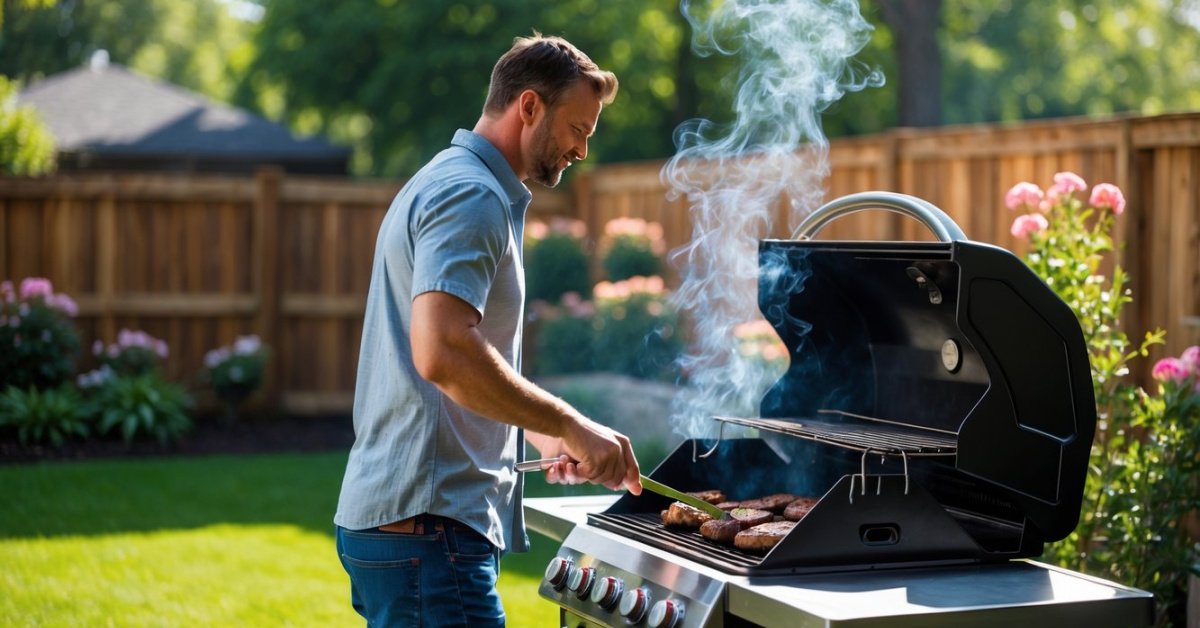
I love grilling on a sunny afternoon but keeping track of the perfect temperature can turn into a juggling act. With so many gadgets popping up every year I’m always curious about what could actually make the process easier and more fun.
Lately I’ve noticed voice-activated thermometers getting a lot of buzz. The idea of simply asking for a steak’s temp without putting down my tongs sounds pretty tempting. Could this be the next big thing for backyard chefs like me?
Understanding Voice-Activated Thermometers
Voice-activated thermometers use smart technology and wireless probes to let me check food temps without even lifting the grill lid. These thermometers connect with voice assistants like Alexa or Google Assistant, letting me say things like “What’s the temp on brisket?” and get an instant update.
Features in voice-activated thermometers include Bluetooth, WiFi, multi-probe support, and app integration, with top brands like Meater, ThermoWorks, and Weber Connect adding voice features to their latest models. Real-time temperature readings come through voice prompts, removing the need for a phone or display in the middle of a grill session.
Using voice-activated grilling thermometers, I stay focused on the rest of my bbq prep without losing track of what’s cooking. In crowded outdoor setups, hands-free checking saves me time and makes multitasking easier—especially when I’m flipping burgers or slicing ribs.
Precision remains key in every grill session, so voice-activated thermometers respond fast and pair with devices that alert me if temps run high or low, keeping everything safe and perfectly cooked.
How Voice-Activated Thermometers Work
Voice-activated thermometers combine wireless technology and smart assistants to give me instant temperature updates while I grill. These devices let me check food doneness or set alerts using just my voice, all without putting down my tongs or lifting the grill lid.
Key Features and Technology
Smart voice-activated thermometers use several integrated technologies:
- Wireless Probes: Probes like Meater’s and Weber Connect’s send accurate readings via Bluetooth or WiFi directly to my phone or smart speaker.
- Voice Assistant Integration: Alexa, Google Assistant, and similar platforms allow hands-free commands. For example, I can say, “Ask the thermometer for brisket temperature,” and get a spoken answer in seconds.
- Multi-Probe Support: Some models connect to four or more probes at once, letting me monitor ribs, sausage, and steak simultaneously.
- Customizable Alerts: The system notifies me if temperatures drop or rise outside my target range, helping me act fast and avoid overcooks.
- App and Cloud Sync: Data syncs with mobile apps, giving deep dives into temperature history, recommended doneness, and visual guides for various proteins.
User Experience and Convenience
Using voice-activated thermometers has changed how I grill:
- Hands-Free Checking: I control temps while prepping side dishes or greeting guests, simply by speaking a command.
- No Interruptions: I keep the grill lid closed and heat consistent, since I don’t open it for readings.
- Effortless Multitasking: These smart thermometers let me juggle several recipes, since I get real-time updates on each cut of meat.
- Easy Setup: Initial pairing and integration with voice assistants usually takes just a couple of minutes, even for new users.
My experience shows voice-activated thermometers save time, boost precision, and add real convenience to any grilling setup.
Comparing Voice-Activated to Traditional Grill Thermometers
I’ve put voice-activated and traditional grill thermometers side by side on my backyard pit and at dozens of barbecue competitions. Here’s how these different tools stack up when it comes to the key factors every griller cares about.
Accuracy and Reliability
Traditional thermometers, like dial and basic digital models, consistently deliver accurate readings within 1-2°F if calibrated properly. I’ve relied on models from ThermoWorks and Maverick for briskets and pork shoulders with great success, though older dial versions sometimes drift after heavy use.
Voice-activated thermometers, including the Meater Block and Weber Connect, use advanced wireless probes and digital sensors for similar levels of accuracy. I’ve compared them directly against trusted instant-read thermometers and found consistent results within 1°F, even during long cooks. Smart models also alert me immediately if temps spike, something analog thermometers can’t do. Drawbacks do exist—a lost Bluetooth connection or drained battery can disrupt readings, which doesn’t happen with analog dials.
Ease of Use
Traditional grill thermometers need manual checking. I open the grill, check the dial or screen, and sometimes use a probe with a wire trailing out the lid. That means more guesswork and lost heat each time I peek. While it’s simple, it turns into extra steps when juggling multiple meats or basting during a cookout.
Voice-activated thermometers connect to my phone or smart speaker with no wires. I just ask Alexa for the brisket’s internal temp and get an instant update, hands-free. Features like multi-probe support let me monitor ribs, sausages, and chicken at once without stepping away from my prep station. Custom voice alerts and real-time readings mean I stay focused on basting or sides, not watching a dial.
Here’s how these differences break down:
| Feature | Traditional Thermometer | Voice-Activated Thermometer |
|---|---|---|
| Hands-free Operation | No | Yes |
| Read-out Method | Manual (dial/screen) | Voice/app/smart speaker |
| Accuracy Range | ±1–2°F | ±1°F |
| Connectivity Backup | Not required | Dependent on batteries/signal |
| Multi-Probe Support | Limited or none | Available in many models |
| Custom Alerts | Rare | Common, instant voice/App alerts |
Both types tackle the core job—getting the meat to the perfect temp. In my experience, voice-activated thermometers make grilling more precise and less stressful, especially when managing multiple tasks on a busy cookout day.
Benefits of Using Voice-Activated Thermometers for Grilling
Voice-activated thermometers improve the grilling experience by helping me multitask without losing focus on the food. I can ask for the internal temperature of a brisket or ribs while moving trays, handling seasonings, or checking on side dishes, all without gloves or tongs leaving my hands. This hands-free feature keeps my grilling process efficient, clean, and safe, especially during busy weekend cookouts.
Hands-free temperature updates help reduce lid openings on smokers or grills. I get instant readings with a simple voice command, which means less heat loss and fewer temperature swings inside the cook chamber. These precise readings increase my confidence when grilling thick cuts such as steaks, pork butts, or whole chickens, since the right doneness means better flavor and juiciness.
Alerts for high or low temperatures let me step away from the grill while knowing I won’t miss a sudden spike or drop. Some voice-activated thermometers, like the Meater Block, send announcements for each probe, so I don’t forget the chicken wings on the top rack while tending to brisket down below.
Simple voice commands change the way I coordinate bigger cooks. I can quickly check on multiple meats thanks to multi-probe support. For example, during my last cookout, I tracked sausage, pork shoulder, and burgers using different probes—all through hands-free updates on my smart speaker.
Smart integration with grilling apps helps me log previous temperatures and refine future cooks. When I use voice-activated thermometers with WiFi and Bluetooth, I retrieve detailed histories of my last rack of ribs or batch of smoked turkey legs. This data strengthens consistency in my backyard barbecue results.
Voice-activated grill thermometers combine technology, ease, and practicality, making them a top pick for anyone who enjoys barbecuing as much as I do.
Potential Drawbacks and Limitations
Voice-activated thermometers for grilling bring a lot of innovation, though they aren’t without some issues. I’ve cooked with dozens of smart thermometers, so I’ve seen where even top models can stumble.
- Voice Recognition Challenges
Voice-activated thermometers sometimes misunderstand commands, especially in noisy backyards, around sizzling grills, or when multiple people talk at once. With wind or guests in the background, the device may miss or misinterpret temperature requests.
- Connectivity Issues
Bluetooth and WiFi connections, crucial for many of these smart thermometers, can drop unexpectedly. I’ve lost signal a few times when I stepped too far from the grill or had too many devices connected to my home network, causing delays in getting real-time temperature updates.
- Battery Life Constraints
Batteries in wireless probes and smart speakers often drain faster than expected during long, low-and-slow barbecue sessions. Running out of battery in the middle of a brisket cook can turn a hands-free grilling session into a scramble for backup gear.
- Learning Curve and Setup
Some voice-activated grill thermometers require initial setup with apps, device pairing, or voice assistant integration. While grilling newcomers can set up basic digital thermometers quickly, smart models often need extra time to connect everything and link to Alexa or Google Assistant.
- Cost Considerations
Voice-activated grilling thermometers from brands like Meater and ThermoWorks usually cost more than traditional probe thermometers. For casual grillers or those on a tight budget, the price of entry for reliable smart tech can feel steep.
- Compatibility Limitations
Not all models work seamlessly with every smart speaker or smartphone. Sometimes I find that a thermometer works great with Google Assistant but struggles with Alexa, or vice versa. Brands vary on integration quality.
| Limitation | Example During Grilling | Brands Affected |
|---|---|---|
| Voice Recognition Challenges | Missed commands over noise | Most voice models |
| Connectivity Issues | Signal loss when away from grill | Meater, Weber Connect, generic |
| Battery Life Constraints | Battery dies during long cooks | All wireless/voice probe brands |
| Learning Curve and Setup | App pairing delays, tech hiccups | ThermoWorks, Meater, Weber |
| Cost Considerations | $80-$300 per device vs $20 analog | All smart thermometer brands |
| Compatibility Limitations | Inconsistent performance by platform | Most multi-assistant brands |
Despite these drawbacks, I find the convenience and hands-free multitasking sometimes outweigh the hassles—especially during big cookouts or multicourse smokes. Each grilling session helps me decide when voice activation genuinely adds value, or when a classic digital thermometer delivers a hassle-free experience.
The Future of Grilling: Trends and Predictions
Voice-activated thermometers shape the next wave of grilling by merging smart home features with trusted barbecue tools. As I test new grilling tech on my back patio, I see core trends making their mark among backyard cooks.
- Voice Integration Expansion: More grill thermometers sync with Alexa and Google Assistant each year. Meater, Weber Connect, and ThermoWorks set the bar with prompt real-time updates, recipe cues, and custom commands for grillers who like to keep both hands on the spatula.
- Smarter Multi-Device Connectivity: Smart thermometers now support connection to other grilling gadgets like pellet smokers or WiFi-enabled grills. This means I can orchestrate temperature monitoring, time management, and grill controls from a single device, streamlining even complex cooks with several meats—like brisket, ribs, and sausage—on the grate.
- Precision Data and Predictive Cooking: Advanced models give me cooking timeline forecasts, predictive doneness calculations, and adaptive learning based on previous cooks. Grilling apps, such as Weber Connect, log past sessions so I can refine timing for pork shoulder, beef ribs, or Texas hot links.
- Rugged Durability and Cooking Flexibility: Newer probes withstand higher temps, work in kamado-style smokers, offset pits, or even open fire, extending tech benefits to any grill type. Models like the ThermoWorks Signals work seamlessly indoors and out, rain or shine, letting me keep barbecue going all year.
- Integration with Food Safety Monitoring: Smart thermometers help log and alert for USDA-recommended safe temps, so I hit that 165°F for pulled chicken, 140°F for rare beef, or 205°F for brisket with confidence.
- Community Driven Recipes and Peer Sharing: Apps increasingly feature recipe libraries, cooking notes, and user reviews from thousands of backyard cooks–including pitmasters from Texas to the Carolinas. I often browse new flavor ideas mid-cook and upload notes from my own Southern-style brisket runs, making recipe development as social as a Saturday tailgate.
| Trend | Example Products | Unique Value |
|---|---|---|
| Voice Assistant Integration | Meater Plus, Weber Connect | Hands-free control, real-time vocal alerts |
| Multi-Device Synchronization | ThermoWorks Signals, FireBoard 2 | Centralized grill & probe management |
| Predictive Cooking | Weber Connect Smart Grilling Hub | Forecasts cooking times, adaptive real-time tips |
| Rugged Probe Design | ThermoWorks Signals, Meat°Stick X | High-temp, wireless, durable probe compatibility |
| Food Safety Alerts | Meater, ThermoWorks, Weber Connect | Reliable doneness and safety temperature tracking |
| Community Sharing | Weber Connect app, Meater app | Access to evolving recipe ideas from BBQ experts |
Smart grill thermometers move grilling toward real-time, hands-off precision and data-driven results. When I track brisket temps while trimming sausage links or get a vocal doneness update from across the yard, I see why these tech upgrades stand out for anyone passionate about barbecue perfection.
Conclusion
As someone who loves grilling I’m excited by how voice-activated thermometers are changing the game. They bring a level of convenience and precision that just wasn’t possible before and open up new ways to enjoy time at the grill.
I can see these devices becoming even more common as technology improves and more backyard chefs look for smart solutions. Whether you’re a casual griller or a barbecue fanatic it’s worth keeping an eye on how voice-activated tools can make your next cookout even better.


