
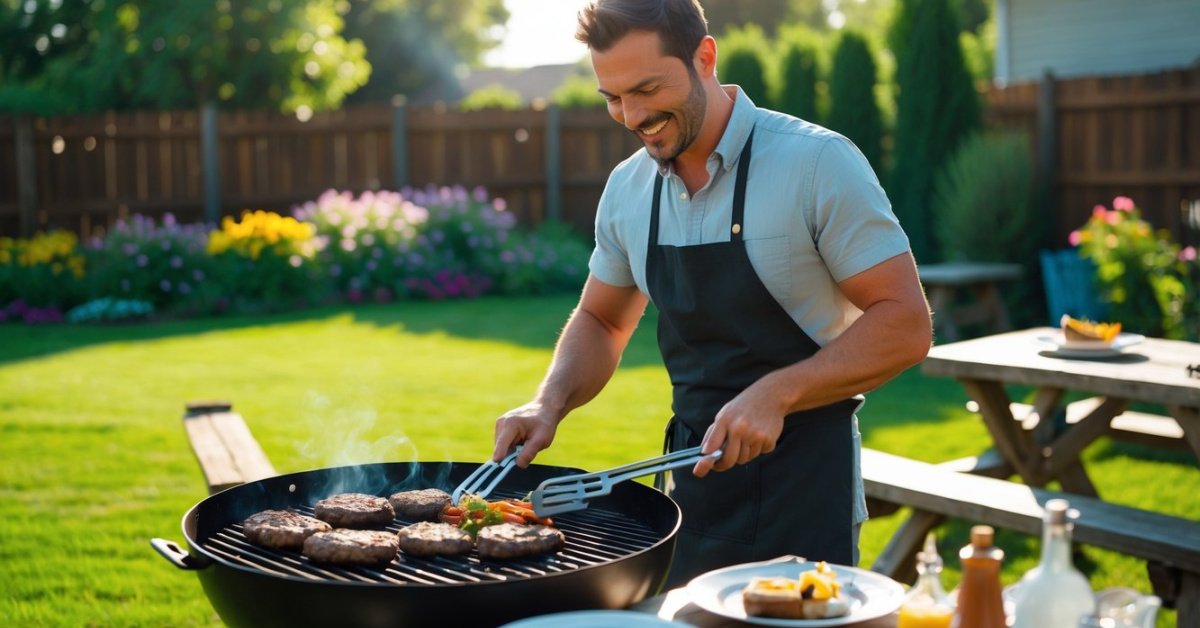
When I fire up the grill for a backyard BBQ, I want every steak and burger cooked just right. That’s where my laser-guided infrared thermometer comes in. It’s become my secret weapon for nailing perfect temperatures without the guesswork.
Instead of poking and prodding the meat or waiting for a traditional probe to settle, I just point, click, and get an instant read. It feels almost like magic but there’s some fascinating science behind this handy gadget. If you’ve ever wondered how these thermometers make BBQing easier and more precise, you’re in the right place.
Understanding Laser-Guided Infrared Thermometers
Laser-guided infrared thermometers measure surface temperature without direct contact by using an infrared sensor aimed by a visible laser point. I aim the laser at my brisket, pork shoulder, or grill grates to target exact spots for a fast, accurate reading.
These thermometers use an optical lens to focus infrared energy emitted by objects, like a hot grill or steak, onto a detector. That energy converts into an electrical signal, which the display shows as a temperature. Models I’ve tested, such as the Etekcity Lasergrip and Fluke 62 Max Plus, give instant results to a tenth of a degree, making it easy to spot hot and cold zones.
The laser acts as a guide for aiming. In my barbecue sessions, the laser pointer makes it simple to target thin burger patties or the thickest point of a bone-in ribeye. That single feature reduces guesswork when checking different meat areas—especially on a busy grill.
Infrared thermometers only scan surface temperature, not internal temp. For thicker cuts—like whole chicken or pork butt—I use a probe alongside the infrared tool. Both together create a complete picture for my grilling, keeping temperatures dialed in from the surface down to the center.
Proper distance affects accuracy. I hold the thermometer at the recommended spot-distance ratio—commonly printed on the device—so I measure only the area lit by the laser, not beyond. For grillers like me chasing consistent results, knowing this detail tightens up temp readings, whether I’m monitoring cast-iron grates, smoking ribs, or prepping a sear.
Key Features of BBQ Infrared Thermometers
Effective BBQ infrared thermometers help me dial in the right cooking temp on any grill, from offset smokers to portable charcoal kettles. When I test them while searing brisket or flipping wings, I look closely at how these key features work.
Laser Targeting Technology
Laser targeting on my infrared thermometer projects a visible dot or beam, making it simple to aim right where I want—usually the grill surface or the thickest part of a steak. This tool lets me quickly scan burger spots, cast iron pans, or grill grate zones without getting close to the heat. Most models I use—including Etekcity and Fluke—feature single or dual lasers for more precise alignment. By pointing the laser, I avoid guessing and get temps exactly where I need them.
Infrared Sensing Accuracy
Infrared sensors in these BBQ thermometers measure only the surface temperature, which is what counts for getting the perfect sear on ribs or pizza crust. The accuracy of good models, like the Fluke 62 Max Plus, reaches within ±1.5°F, according to manufacturer specs and my own side-by-side tests. Readings appear instantly, letting me spot when a grate gets hot enough or when a cool spot needs more charcoal. The thermometer doesn’t touch the food, so I avoid cross-contamination or mess. For thick meats where internal temperature matters—such as brisket flats or pork butt—I rely on a probe thermometer, but for quick surface checks, an infrared model saves me time and delivers top results.
How Laser-Guided Infrared Thermometers Work for BBQ
Laser-guided infrared thermometers let me check grill and food surface temps instantly, removing any guesswork. I point, click, and get precise readings without poking or touching the meat.
Measuring Surface Temperature
Laser-guided infrared thermometers use a focused beam and sensor to measure the grill’s surface temperature. I aim the laser dot at hot spots, grill grates, or meat surfaces to see how heat spreads across my setup. These thermometers collect infrared energy emitted by the target—like a 500°F cast iron grate or a sizzling steak—and translate that energy into a real-time digital temperature. This method keeps my airflow steady since I don’t lift the lid or press probes into food repeatedly.
Step-By-Step Usage Guide for Grilling
Here’s how I use my laser-guided infrared thermometer for grilling:
- Power on the thermometer and hold it steady.
- Stand the recommended distance from the target—usually 12 to 14 inches, depending on the model.
- Aim the laser at the area I want to test, like the center of the grate or the thickest part of the steak.
- Press the trigger, then watch the temperature appear instantly on the display.
- Move the laser across different zones on the grill to compare heat distribution.
- Record readings for each zone, adjusting charcoal, burners, or vents as needed.
I rely on this tool to find hot and cold spots, keep my searing zone just right for reverse-seared steaks, and make sure burgers cook evenly. For thicker cuts—like a brisket or pork shoulder—I grab a probe thermometer to check internal temps, since infrared models only read the surface. Using both lets me dial in perfect results every time.
Pros and Cons for BBQ Enthusiasts
Pros of Laser-Guided Infrared Thermometers
- Fast temperature checks
I get instant surface readings, making it easy to spot-check grates or meats every few seconds. For example, both my Etekcity and Fluke consistently show results under one second.
- No-contact measurements
I avoid puncturing steaks and burgers by aiming the laser instead of using probe thermometers. This keeps juices sealed and avoids cross-contamination—essential for large outdoor cookouts.
- Precise laser targeting
I pinpoint the hottest or coolest area on the grill with the laser, which lets me adjust food placement for more even cooking. Testing briskets, I’ve found up to 50°F differences across the grate.
- Easy grill troubleshooting
I diagnose uneven heating and flare-ups by scanning various grill zones. For instance, I’ve used it to identify cold corners in my offset smoker before making vent adjustments.
- Versatile beyond BBQ
I rely on my infrared thermometer for ovens, griddles, pizza stones, and even non-cooking tasks like checking HVAC vents.
Cons of Laser-Guided Infrared Thermometers
- Only measures surface temperature
I can’t use it to check the doneness inside briskets or thick pork chops. I always pair it with a meat probe for anything over 1.5 inches thick.
- Susceptible to surface variations
I notice inaccurate readings if grease, grill grates, or reflective surfaces scatter the infrared beam. Cooking on cast iron can show false highs unless it’s clean and matte.
- Affected by weather and steam
I find heavy smoke, direct sunlight, or steam sometimes distorts the readings, especially during long Texas summer BBQs.
- No internal temp readings
I recommend using a dual-thermometer setup, since this tool can’t warn me about undercooked poultry or overcooked center cuts.
- Requires understanding of use
I’ve seen beginners misjudge safe distances or misread laser targets, leading to confusion about actual cooking conditions. Precise use yields best results.
Tips for Getting the Most Accurate Readings
- Clean grill surfaces before checking with a laser-guided infrared thermometer. I always wipe down grates or pans right before testing because grease, soot, or food residue skews surface readings by several degrees.
- Hold the thermometer steady and perpendicular to the surface when aiming. My tests with models like the Fluke 62 Max Plus show I get the truest numbers when I keep my hand steady and avoid angling the laser.
- Confirm the distance-to-spot ratio for your device. Most units, including my Etekcity Lasergrip, are accurate when held between 12 and 14 inches from the grill. I see less accuracy outside this range, since the sensing area gets too wide or too narrow.
- Avoid steam and smoke when measuring. I step away from billows, since both interrupt infrared signals and can drop readings by up to 10°F, especially over open charcoal.
- Aim for consistent locations on the grill. I take readings in the center and corners every time, which gives me reliable comparisons. I favor spots under burners and opposite the heat source for a full temperature profile.
- Use bright laser targeting to pinpoint. The laser pointer shows exactly where the device reads, so I always check the thickest part of steak or burger patties if I’m gauging surface browning.
- Let the grill stabilize before testing. I wait 5 to 10 minutes after adjusting burners or adding fuel because temperatures fluctuate during those changes, which leads to misleading surface numbers.
- Compare readings with a probe thermometer for reference. When I’m grilling thicker cuts, I pair the infrared with an instant-read probe so I don’t miss true doneness. Surface readings show current sear, and the probe catches inner doneness.
| Tip | Why It Matters |
|---|---|
| Clean grill before use | Prevents grease and debris from affecting accuracy |
| Hold steady and perpendicular | Reduces misreadings due to angle distortion |
| Check your device’s D:S ratio | Ensures proper targeting area for accurate temperature readout |
| Avoid steam and smoke | Prevents false readings caused by interference |
| Be consistent with reading spots | Helps identify hot/cold grill zones reliably |
| Use laser pointer | Targeting guarantees measurements from the intended exact location |
| Stabilize grill temperature | Avoids capturing fluctuating numbers immediately after fuel/heat adjustments |
| Compare with probe thermometer | Verifies accuracy, especially for thicker or bone-in cuts |
Conclusion
After grilling with a laser-guided infrared thermometer I can’t imagine going back to guesswork or old-school methods. It’s such a simple tool but it’s made my BBQ sessions more fun and way more precise.
I love knowing exactly where the hot spots are and being able to sear steaks just right without poking or prodding the meat. With a little practice and the right combo of tools BBQing becomes a whole lot more enjoyable—and the results speak for themselves.


