
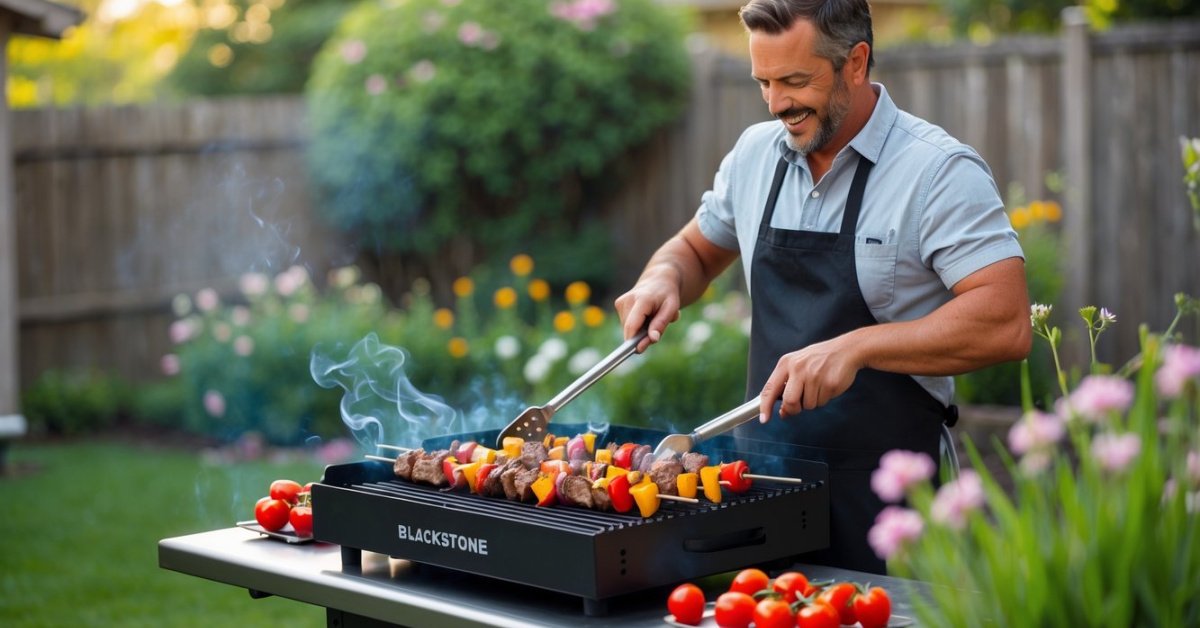
Grilling a thick pork roast always feels like an event at my house. I love the smell of smoky meat sizzling over the flames but I know that getting it just right can be tricky. Undercooked pork isn’t safe and overcooked pork just isn’t any fun to eat.
That’s where my trusty thermometer comes in. It takes all the guesswork out of grilling and lets me focus on enjoying the process. If you’ve ever wondered how to use a thermometer for perfect pork roasts every time you’re in the right place.
Choosing the Right Thermometer for Grilling
The right thermometer guarantees juicy thick pork roasts every single time. I’ve tried dozens over the years, and choosing the right one matters for grilling success.
Types of Meat Thermometers
Instant-read thermometers deliver a quick reading you can grab in seconds, perfect for spot checks. I use these when I’m grilling thick pork roasts and want to know the temperature fast without losing heat. Leave-in probe thermometers monitor the roast continuously, sending alerts once it hits the target temp—ideal for set-and-forget cooking. Wireless digital thermometers let me check temps remotely, great for when I’m hosting a bbq and multitasking. Analog dial thermometers offer a budget pick but usually take longer to stabilize and aren’t as precise as digital options.
Features to Look For
Accuracy lets me know my pork roast is cooked all the way through, so I check for small temperature increments, ideally 1°F. A long, sturdy probe ensures I can reach the very center of a thick roast. High heat tolerance matters because grilling gets hot—some thermometers handle up to 500°F or more. Fast read times save heat loss; a readout in under 4 seconds keeps my grill temp steady. Clear displays, preferably backlit, let me see temps during night cooks. Waterproofing and easy cleaning help when I’m grilling multiple items and dealing with juices or rain. I also value strong build quality so the thermometer holds up during heavy use.
These features help me grill pork roasts perfectly, every single time.
Preparing Thick Pork Roasts for Grilling
Getting thick pork roasts grill-ready sets the foundation for using a thermometer effectively. My years running a Texas bbq food cart taught me that prep work makes the difference between dry and juicy meat.
Trimming and Seasoning Tips
Trimming excess fat and silver skin helps thick pork roasts cook evenly and allows smoke and seasoning to penetrate. I use a sharp boning knife to remove thick hard fat (over 0.25 inches) but leave a thin layer for moisture. For example, boneless center-cut pork loins usually have a strip of fat that benefits from cleanup, while bone-in pork shoulders often need more attention around the edges.
Seasoning thick pork roasts with dry rubs or marinades delivers flavor deep into the meat. I recommend coarse kosher salt, fresh cracked black pepper, granulated garlic, and smoked paprika for a classic Texas-style blend. For larger cuts over 4 lbs, I massage my rub generously and let it rest for at least 30 minutes before grilling, so the seasoning sticks and draws out surface moisture. If I use a marinade, I pat the roast dry before grilling to help the bark form.
Bringing Meat to Room Temperature
Bringing thick pork roasts to room temperature ensures even heat transfer during grilling. I set the roast out of the fridge for 45 minutes per 2 lbs before grilling, making sure the internal temperature rises closer to ambient. This prep step prevents cool spots that can skew thermometer results. If that time window ever conflicts with food safety guidance, I shorten the resting period but don’t skip it entirely. Consistent room temperature across the roast keeps my thermometer reading spot-on when it’s time to check doneness.
How to Use a Thermometer for Grilling Thick Pork Roasts
Every thick pork roast on my grill gets the same treatment—precise thermometer use from start to finish. Correct readings give juicy results and remove guesswork.
Correct Thermometer Placement
Proper thermometer placement makes all the difference. I insert the probe into the thickest section of the pork roast, steering clear of bones and fat pockets. Bones can give false high readings, and fat heats quicker than lean meat. Center placement guarantees the most accurate result. For larger roasts over 3 inches thick, I make sure the probe goes into the exact middle—no peeking out the other side.
When to Check the Temperature
Timing each check gives the pork the best chance at perfection. I start monitoring the internal temperature once the roast looks deeply golden and feels springy, which usually happens about 60% through the estimated cook time. For example, during a 90-minute cook, I make my first check around the 50–60-minute mark. Afterward, I check every 10–15 minutes until I get close to the target temperature. Frequent opening of the grill lid wastes heat, so I try to check quickly and efficiently.
Ideal Internal Temperature for Pork Roasts
USDA guidelines set the safe internal temperature for pork roasts at 145°F (63°C), followed by a 3-minute rest. I pull thick pork roasts from the grill when the thermometer registers 140°F (60°C) in the center, since carryover heat bumps the temp up those final degrees. Texture turns out juicy and never dry. For comparison, leaner pork loins also benefit from this approach, while fattier shoulder cuts can cook to 195–203°F (90–95°C) for pulled pork.
| Pork Roast Type | Target Temp Before Rest | Final Temp After Rest | Recommended for |
|---|---|---|---|
| Center-cut loin | 140°F | 145°F | Slicing, juicy |
| Bone-in shoulder | 195–203°F | 195–203°F | Pulled pork |
Using a reliable thermometer and paying attention to these details keeps every thick pork roast juicy, flavorful, and perfectly cooked every time.
Common Mistakes to Avoid
Grilling thick pork roasts gets much easier with a thermometer, but simple errors can throw off your results. I’ve seen these mistakes stall great cooks more often than not—here’s how I sidestep them every time.
Misreading the Thermometer
Misreading the thermometer undermines accuracy every time. I always double-check the display from a direct angle for digital or dial models, since odd angles can trick my eyes on shiny analog faces or backlit screens. I avoid pushing the probe through to a bone or fat layer, because that’ll skew my temp by 10-30°F (6-17°C) higher or lower than the true center. When testing different thermometer brands, I stick to consistent angles and clean, dry probes for every check since moisture on the probe tip can make readings jumpy.
Checking the Temperature Too Early or Too Late
Checking the temperature too early or too late means missing perfect doneness. I start checking when the roast hits a deep golden color and feels springy, usually at about 60% of my estimated cooking time—if I wait longer, I often overshoot that juicy window. For example, with a 4-pound pork butt that runs roughly 2.5 hours total, I poke in my thermometer about the 90-minute mark. If I start checking every 10-15 minutes after that first check, I catch the precise moment it hits 140°F (60°C) and never miss that sweet spot between undercooked and dried out.
Tips for Perfectly Grilled Pork Roasts
Experience transforms pork roasts from simply cooked to backyard showstoppers. Technique and thermometer discipline make the difference after the grill marks appear.
Resting the Meat After Grilling
Resting the meat keeps grilled pork roasts juicy and flavorful. I always transfer the roast from the grill to a rimmed baking sheet, then loosely tent it with foil. For thick pork roasts in the 2 to 4-pound range such as bone-in loin or shoulder, 12 to 20 minutes allows juices to redistribute and temperature to even out, which prevents dryness. I wait until the internal temperature rises 5°F above the pull temp—for example, up to 145°F if I pull it at 140°F, using instant-read models like the Thermapen One or MEATER+, which record temp changes quickly.
Slicing and Serving Suggestions
Slicing technique impacts texture and moisture. I use a sharp carving knife to slice pork roasts against the grain, making each bite tender. For bone-in roasts like pork shoulder, I follow the bone as a guide, cutting thick slices—about 1/2 inch—for juicy, satisfying servings. Serving suggestions depend on the roast; for classic Texas-style, I pair slices with a vinegar-based coleslaw or loaded potato salad. For leaner cuts, I lean on a light apple cider glaze or mustard sauce, which I prepare in advance while monitoring the rest time with my thermometer. Keeping portions warm in a covered tray near the grill ensures flavors stay at their peak for guests.
Conclusion
Grilling thick pork roasts doesn’t have to be intimidating when you’ve got a good thermometer and a bit of know-how. I’ve found that a little attention to detail goes a long way in turning out juicy, flavorful results every time.
Once you get the hang of checking temps and treating your roast with care, you’ll feel way more confident at the grill. Before you know it, you’ll be serving up pork roasts that impress family and friends with ease.


