
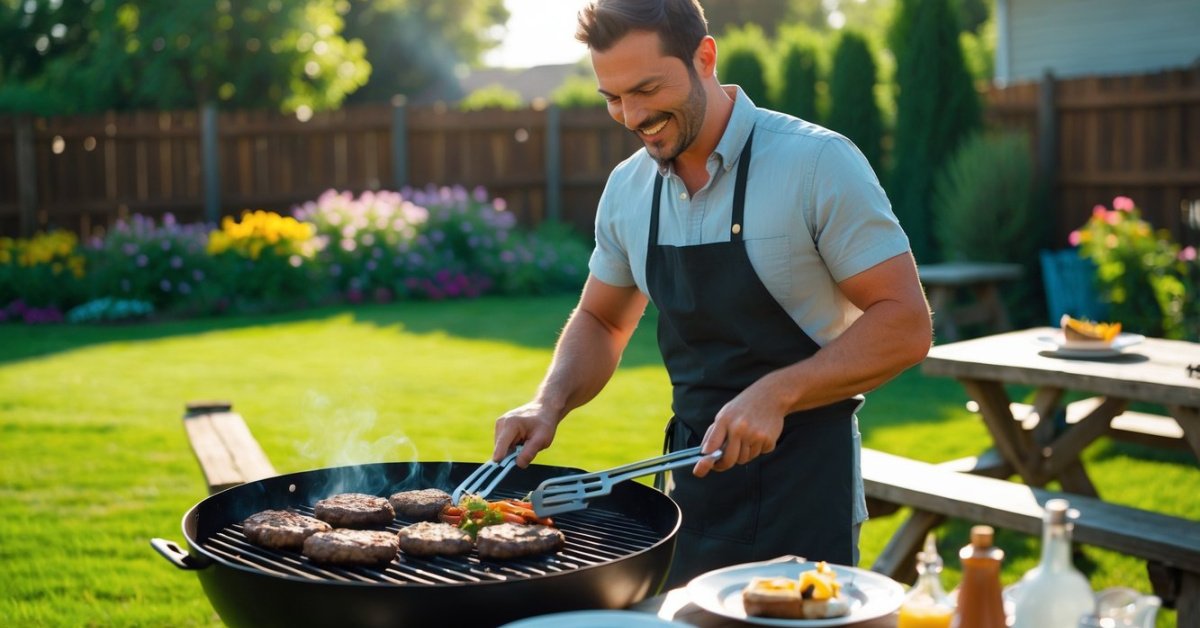
Nothing ruins a backyard barbecue faster than overcooked steak or underdone chicken. I’ve learned that the secret to mouthwatering results isn’t just in the marinade or the grill—it’s all about temperature control. That’s where a reliable grilling thermometer comes in handy.
With so many options out there, finding a thermometer that balances accuracy, durability, and price can feel overwhelming. I’ve explored the latest mid-range models for 2025 to help you pick the perfect tool for your next cookout. Let’s make grilling a breeze and keep those meals juicy and delicious.
The Importance of Accurate Grilling Thermometers
Accurate grilling thermometers give precise temperature readings, which lets me grill meats like brisket or chicken thighs to the right doneness every time. Undercooking puts food safety at risk, while overcooking dries out proteins and ruins flavor. Using a reliable thermometer means I can hit the USDA-recommended temperatures, like 165°F for poultry or 145°F for pork, even if I’m working with thick cuts or whole racks of ribs.
Consistent results matter for repeatable recipes. I test thermometers when smoking brisket for 12 hours or searing steaks at high heat over charcoal, and I rely on their readings to make sure my flavors stay true from cookout to cookout. Medium-rare beef, for example, stays juicy at 135°F. Pork ribs pull away clean from the bone at around 190°F. These numbers only matter if the thermometer’s accurate.
Flavor retention hinges on temperature control. I keep moisture in pork butts and prevent burnt skin on wings because the thermometer lets me monitor every degree. Grilling without a dependable temperature reading leads to guesswork, which is the fastest way to ruin both taste and texture.
Food safety stands out for backyard and professional cooks alike. Even when prepping 20 pounds of pulled pork at my old BBQ cart, I always trusted my thermometers to skip the guessing game. Accurate readings stop harmful bacteria by confirming the cook, even in large batches or on bone-in cuts that heat unevenly.
What Defines a Mid-Range Grilling Thermometer?
Mid-range grilling thermometers strike a balance between entry-level simplicity and the advanced features of high-end models. These thermometers usually cost between $35 and $80. I look for digital displays, wireless connectivity, multiple probes, and proven accuracy when testing mid-range options.
Features provide context for classifying thermometers as mid-range:
- Accuracy and Repeatability: Mid-range models consistently deliver temperature readings within ±1.8°F (±1°C) across repeated tests, which aligns with what I expect for grilling brisket or chicken.
- Probe Quality: Stainless steel probes in this range typically withstand higher heat and frequent use. Removable and dishwasher-safe probes help when I’m cooking several cuts of meat at once.
- Connectivity: Bluetooth or Wi-Fi options connect to apps, letting me monitor temps from up to 200 feet away, which is enough distance when I need to prep sides or step away from the grill.
- Display Readability: Large, backlit digital displays give clear temperature info day or night, even under Texas sunsets. Touch controls and simple interfaces let me operate the unit with greasy hands.
- Temperature Range and Response Time: Mid-range thermometers usually cover 32°F–572°F, ideal for grilling, smoking, and even deep-frying. Response times of 2–4 seconds keep me informed without delays.
Here’s a quick breakdown:
| Attribute | Typical Value/Function |
|---|---|
| Price Range | $35–$80 |
| Probe Count | 2–4 detachable, stainless steel probes |
| Accuracy | ±1.8°F (±1°C) |
| Connectivity | Bluetooth, Wi-Fi |
| Response Time | 2–4 seconds |
| Display | Backlit, digital, easy-to-read |
I pick mid-range grilling thermometers for consistent results, user-friendly tech, and reliability that doesn’t match the expense of professional models. These tools help me enjoy BBQ experimentation from smoked ribs to reverse-seared steaks, with less guesswork every time.
Key Features to Look For in 2025 Models
Fast Response Time
I value a thermometer that displays accurate temperatures in under 3 seconds, especially when grilling multiple steaks or brisket. Slow updates, like in older models, can lead to guessing and lost heat.
Precision and Accuracy
I check for models rated at ±1.8°F or better for reliable results on brisket, ribs, or chicken. Trusted brands place third-party calibration certificates in their product details.
Durable Probes
I pick thermometers with stainless steel or coated probes that withstand at least 500°F. Removable and waterproof probes handle repeated use with pork shoulder or thick bone-in cuts.
Wireless Connectivity
I use Bluetooth or WiFi-enabled models, like ThermoWorks or Inkbird examples, to monitor cooks from my kitchen or couch. Some models sync to recipe apps for quick temperature alerts.
Clear, Backlit Display
I need a bright, legible display for early morning brisket sessions and late-night steak flips. Large fonts and auto-rotation displays cut down on errors, even with smoke or grease on the lens.
Multiple Channel Inputs
I often cook two meats at once, so I go for thermometers offering dual or quad-probe support. Some examples like the Inkbird IBT-4XS provide separate readouts on one display.
Long Battery Life
I prefer rechargeable or high-capacity batteries to last through 16-hour low-and-slow cooks. Battery level indicators keep me from scrambling for a backup mid-smoke.
Expanded Temperature Range
I look for thermometers that measure ambient grill temps up to 572°F—essential when searing steaks or monitoring a wood-fired smoker.
Smart Alerts and Presets
I rely on custom alarms, USDA doneness presets, and notifications for precise timing. Some models allow programmable settings for favorites, like pork shoulder or chicken thighs.
Easy Cleaning
I pick units with sealed buttons and removable parts to handle quick wipe-downs after sauce spills or grease splatters.
Year-over-year, these key features keep grilling sessions consistent, efficient, and stress-free, improving the experience for barbecue enthusiasts looking to level up their cooks in 2025.
Top Mid-Range Grilling Thermometers for 2025
My years grilling in Texas and testing every thermometer I could find have made it clear that dependable temperature control makes all the difference. These 2025 mid-range grilling thermometers stand out for precision, features, and value—delivering the confidence backyard and competition cooks want.
Thermometer 1: Features, Pros, and Cons
ThermoWorks Smoke X2 brings pro-level accuracy with easy-to-use wireless connectivity. I use its dual-channel inputs for brisket flats and ribs in the same cook.
Features:
- Accuracy to ±1.8°F
- Up to 500 feet wireless range
- Simple, backlit LCD screen
- Uses industrial-grade thermistor probes
Pros:
- Consistent signal in big yards
- Robust probes handle thick pork butts
- Dead-simple setup
Cons:
- Base unit feels heavy on smaller grills
- Lacks app controls for remote monitoring
Thermometer 2: Features, Pros, and Cons
MEATER Plus uses truly wireless probes for a cable-free setup, letting me monitor chicken halves or pork tenderloin directly from my phone while multitasking.
Features:
- Wireless Bluetooth probe
- Guided cook system via app
- Charges inside its own storage block
Pros:
- No wires to tangle or clean
- Convenient smartphone alerts
- Compact for easy storage
Cons:
- Range falls short past 165 feet
- Battery depletes after long, low-and-slow sessions
Thermometer 3: Features, Pros, and Cons
Inkbird IBT-4XS caters to cooks looking for flexibility with four probes—perfect for mixed grill parties when I track multiple steaks, sausages, and wings.
Features:
- Four color-coded probes
- Bluetooth range up to 150 feet
- Rechargeable battery
- Magnetic back for grill mounting
Pros:
- Multi-meat tracking in one display
- Handy app interface
- Long battery runtime
Cons:
- Bluetooth range can drop with obstacles
- App setup feels clunky for new users
Thermometer 4: Features, Pros, and Cons
ChefsTemp Quad XPro offers the fastest response times on this list. I reach for it when searing ribeye or reverse-searing thick chops.
Features:
- Reads temps in 2-3 seconds
- Four stainless probes
- Adjustable alarm and temp presets
- Backlit rotating display
Pros:
- Quick updates for perfect timing
- Easy to read from odd angles
- Supports high-heat searing
Cons:
- Housing feels slippery with greasy hands
- No WiFi for truly remote checks
Thermometer 5: Features, Pros, and Cons
Weber Connect Smart Grilling Hub syncs seamlessly with the wider Weber app ecosystem, unlocking step-by-step recipes. I use it to walk beginners through complicated BBQ routines.
Features:
- Two-probe support, expandable to four
- WiFi and Bluetooth connection options
- Integrated smart notifications
- Works with Weber grilling app
Pros:
- Well-designed companion app
- Guided timers and visual doneness alerts
- Flexible connection options
- Best integration with Weber-brand grills
| Model | Probe Count | Wireless Range | Notable Feature | Price Range ($) |
|---|---|---|---|---|
| ThermoWorks Smoke X2 | 2 | 500 ft | Pro-level accuracy | 70-80 |
| MEATER Plus | 1 | 165 ft | 100% wireless probe | 75-80 |
| Inkbird IBT-4XS | 4 | 150 ft | Rechargeable, 4 probes | 45-55 |
| ChefsTemp Quad XPro | 4 | Corded | Fast readout, backlit | 65-70 |
| Weber Connect Smart Grilling | 2-4 | WiFi/Bluetooth | Smart recipe integration | 75-80 |
Comparison: Performance and Value
Performance and value form the backbone of my criteria when I test mid-range grilling thermometers. I focus on speed, precision, durability, wireless range, and smart features to see which models help me grill brisket, pork chops, or wings perfectly every time.
Performance Metrics Table
| Model | Response Time (sec) | Accuracy (±°F) | Wireless Range (ft) | Battery Life (hrs) | Channels | Notable Features |
|---|---|---|---|---|---|---|
| ThermoWorks Smoke X2 | 2-3 | 1.8 | 500 | 300 | 2 | Rugged body, pro-level probes |
| MEATER Plus | 3-5 | 1.7 | 165 | 24 | 1 | Completely wireless, phone app |
| Inkbird IBT-4XS | 3-5 | 1.8 | 150 | 60 | 4 | Bluetooth, magnetic back |
| ChefsTemp Quad XPro | 1-2 | 1.8 | 500 | 100 | 4 | Large display, presets |
| Weber Connect Smart Grilling Hub | 2-4 | 1.8 | 200 | 60 | 4 | Step-by-step guidance |
Speed and Precision
Faster response times save me from keeping the grill open too long. ThermoWorks Smoke X2 and ChefsTemp Quad XPro respond in under 3 seconds, ideal when I juggle multiple meats. MEATER Plus and Inkbird IBT-4XS respond in 3-5 seconds, which still works for backyard sessions.
Consistent accuracy within ±1.8°F lets me hit my target temps for brisket or chicken quarters. I rely on this precision so I never undercook or overcook, and every model here meets or beats this standard.
Wireless Connectivity and Range
Wireless range means freedom to step away from the pit. Smoke X2 and ChefsTemp Quad XPro offer 500 feet, so I can prep sides or grab a drink inside. WEATER Plus, with 165 feet via Bluetooth, works best for smaller yards or patios. Most models pair quickly to either a remote receiver or smartphone, so I always stay in control.
Durability and Build Quality
Durable hardware stands up to Texas heat and frequent use. Smoke X2 and ChefsTemp Quad XPro feature rugged bodies and stainless steel probes; I’ve dropped them during setups and they never miss a beat. Inkbird IBT-4XS magnets latch right to my smoker’s frame, making it convenient during long overnight cooks.
Battery Life and Maintenance
Battery stamina lets me run extra-long cooks for brisket and pork shoulder. ThermoWorks clocks in at 300 hours, while ChefsTemp lasts up to 100. MEATER Plus runs about 24 hours on a charge, best reserved for shorter cooks. All these thermometers clean up fast, so I spend more time grilling and less time scrubbing probes.
Value Proposition
Mid-range thermometers balance premium features with reasonable price points. At around $40-80, I get pro-level accuracy, durable hardware, multi-probe setups, and wireless monitoring. Compared to entry-level models, these stand out as affordable upgrades for anyone wanting flawless results, whether training for competition or just barbecuing in the park with friends.
Investing in any of these models means I don’t have to sacrifice speed, accuracy, or convenience—attributes essential to every serious pitmaster or weekend griller hunting for confidence in every cook.
Tips for Choosing the Best Thermometer for Your Needs
Assess Temperature Accuracy
I always prioritize models that list accuracy within ±1.8°F since minor differences can make or break brisket or steak doneness. Brands like ThermoWorks and ChefsTemp include this precision in product specs.
Check Probe Quality
I look for stainless steel probes and reinforced cables because repeated use and high heat can wear down cheaper parts. Probes with water resistance or replaceable tips last longer during rain-soaked cookouts or sous vide sessions.
Evaluate Wireless Range
I prefer thermometers with a minimum 150 ft wireless range, such as the MEATER Plus, for checking temps from inside the house. Bluetooth and WiFi models give more freedom and keep me close to guests without hovering over the grill.
Review Response Times
I find models that deliver readings in three seconds or less save time, especially during fast cooks for thinner cuts like chicken breasts or pork chops. Speed matters most when juggling multiple proteins on hot days.
Analyze Battery Life
I opt for rechargeable batteries or models with 200+ hour runtimes so I can run long smokes or multi-day events without changing batteries mid-cook. Extended battery life stands out in models like the Inkbird IBT-4XS.
Confirm Smart Features and Presets
I appreciate phone app controls, smart alarms, and custom meat presets, as adjusting for different proteins—like salmon fillets versus pork shoulder—takes out the guesswork. Integrated apps from Weber Connect and MEATER help track every step.
Consider Ease of Cleaning
I select probes, cables, and receivers that come apart for cleaning or offer dishwasher-safe components to maintain food safety and streamline post-cook cleanup.
Factor in Display Readability
I like models with large, backlit displays and clear labeling, making it easy to read temps during late-night sessions or bright Texas afternoons. User-friendly displays reduce mistakes and stress when the grill’s packed.
Conclusion
Finding the right grilling thermometer can make all the difference when it comes to enjoying stress-free backyard barbecues. I love knowing that I can trust my tools to deliver juicy results every time without second-guessing or hovering over the grill.
With so many great mid-range options available for 2025 there’s never been a better time to upgrade your setup. A reliable thermometer lets you relax enjoy your company and focus on what matters most—sharing delicious food with friends and family.


