
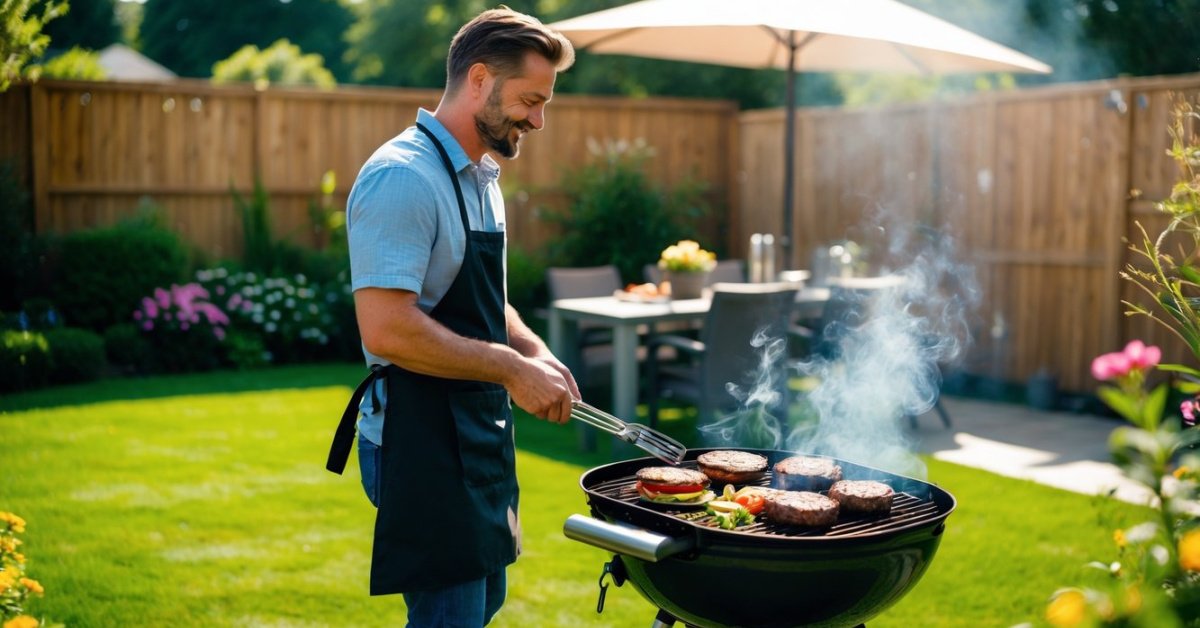
Nothing beats the sizzle of a portable grill on a sunny day. I love the freedom of cooking outdoors, but I’ve learned that getting the temperature just right makes all the difference between a juicy burger and a dry disappointment. That’s where a good thermometer comes in handy.
Using a thermometer with a portable grill might seem simple, but a few tricks can make grilling even easier and more reliable. I want to share what I’ve picked up over countless cookouts so you can enjoy perfectly cooked food every time you fire up the grill.
Why Accurate Temperature Matters When Grilling
Precise temperature control unlocks consistent results on a portable grill. I’ve seen brisket, steak, and chicken turn out juicy and tender when I track temps carefully on the food cart, while inconsistent heat creates dry, overcooked, or raw bites.
Accurate readings reduce food safety risks for grillers. Harmful bacteria like Salmonella or E. coli survive in beef, poultry, or pork if the internal temp doesn’t reach USDA-recommended minimums—145°F for whole cuts of beef and pork, 165°F for poultry. Using a grill thermometer ensures you hit those numbers.
Flavor depends on temperature accuracy in outdoor cooking. Smoky ribs need low and slow heat for several hours, while kebabs sear best with high temperatures for a short time. Every recipe I test tastes best when I use a thermometer, not guesswork.
Efficient heat management saves fuel and time. By hitting target temperatures quickly, I avoid wasting propane or charcoal while waiting for food to finish. Controlled grill temp equals shorter cooking times—critical for any mobile cookout or tailgate.
Texture and doneness rely on correct temperatures. Burgers taste better with a pink center at 160°F, salmon flakes apart at 145°F, and BBQ pork pulls easily when it hits 203°F. My thermometers take out the guesswork every session, so I serve food exactly how guests like it.
Choosing the Right Thermometer for Your Portable Grill
Finding the right thermometer for a portable grill makes grilling more accurate and stress-free. I’ve used dozens of models to test brisket, burgers, and ribs, and each brings its own strengths and limitations.
Types of Grill Thermometers
- Probe thermometers – These devices, like the ThermoPro TP20, measure internal temperatures in real time and signal when food reaches target doneness.
- Instant-read thermometers – Fast models like the Thermapen ONE display temps within 2–3 seconds, ideal for quick grill checks on steaks or burgers.
- Bluetooth and wireless thermometers – Gadgets such as the MEATER+ send temperature data straight to my phone, letting me move around without hovering at the grill.
- Infrared thermometers – These measure surface temperatures without contact and work well for checking grill grates or searing zones.
Key Features to Look For
- Accuracy – Top thermometers (Thermapen, Lavatools Javelin) keep readings within ±0.7°F, helping me hit safe temps for pork and chicken without overcooking.
- Response time – Devices that display temps in 1–3 seconds save time and lock in juices, especially on high-heat cooks.
- Durability and build – Models with water resistance and tough casings last longer outside. My ThermoWorks ChefAlarm has survived Texas summers and rain.
- Display readability – Large backlit screens ensure I spot the temp fast, even at dusk or during late-night barbeques.
- Battery life and connectivity – Wireless models with 30–50 hours of use and stable Bluetooth/Wi-Fi connections keep me grilling without interruptions during slow smokes.
- Probe length and heat tolerance – Probes over 4 inches reach big cuts like brisket, and handles withstand up to 700°F, so I use them for both direct and indirect grilling.
Step-By-Step Guide to Using a Thermometer with a Portable Grill
Using a thermometer takes the guesswork out of grilling and leads to better flavor and food safety. I always keep my favorite grill thermometers handy no matter what recipe I’m tackling.
Proper Placement of the Thermometer
Placing the thermometer correctly gives an accurate reading for juicy, tender results. I insert probe-style thermometers into the thickest part of the meat, avoiding bones and fat for brisket, steak, or chicken. For thinner cuts like burgers or chops, I angle the probe to get as close to the center as possible. With instant-read thermometers, I check several spots if the cut is uneven. When testing grill temperature, I place the probe near the center of the cooking surface, away from the grates and flare-ups, to reflect true cooking conditions.
Tips for Taking Accurate Readings
Taking accurate readings ensures food cooks evenly and safely. I make sure the probe sits at least 1/2 inch inside the meat, not just the surface. I clean the probe with hot, soapy water before and after use every time to prevent cross-contamination. For consistent results, I avoid opening the grill lid too often, which can cause drops in temperature and prolong cooking. I wait until the final few minutes of cooking to check the temperature, only removing the meat once it hits the recommended internal temp for that cut. When using wireless or Bluetooth models, I monitor temps from my phone so I don’t lose heat by lifting the lid.
Common Mistakes to Avoid
Missing calibration checks causes inaccurate readings and inconsistent results. I always calibrate my thermometers before a big cook, using ice water or boiling water as a quick test, especially after they’ve been packed away in my portable grill kit.
Targeting bone, fat, or gristle with the probe leads to off-target temperature readings. I insert the thermometer into the thickest, meatiest section away from bone or fatty pockets when grilling brisket, steak, or chicken.
Opening the lid too often lets heat escape rapidly and disturbs grill temperature. I check temps through a wireless thermometer screen or only lift the lid when absolutely necessary to avoid losing that precious heat.
Letting the probe stay in direct flame or touch hot grates damages sensor accuracy and shortens lifespan. I angle probes to rest in the meat, not on grates, and keep wires away from flare-ups with every cook.
Forgetting to sanitize your probe after taking readings on raw meat, especially chicken, risks cross-contamination. I keep a damp towel or sanitizing wipes handy at my grill station for a quick clean between checks.
Relying on one static reading instead of spot checking in multiple areas misses undercooked spots. I test several points on pork shoulders or thick steaks to guarantee food safety and even doneness.
Ignoring ambient grill temperature readings results in uneven cooking zones. I compare lid and grate level temps, placing food and probe where heat best matches recipe needs on my portable setup.
Rushing for instant results with a cold thermometer slows down response and accuracy. I let the probe come to ambient temp before sticking it in the meat to get a true internal reading every time.
Cleaning and Maintenance Tips for Your Grill Thermometer
Wiping the probe after every use keeps readings accurate and prevents old residue from affecting flavor. Removing debris right after cooking does the job best before grease can harden.
Sanitizing the probe with alcohol wipes or a solution of one part vinegar to four parts water eliminates bacteria that raw meats can leave behind. Keeping this habit helps me avoid cross-contamination, especially when checking doneness on different proteins like chicken, beef, and pork.
Checking gaps or seams for buildup improves reliability—most probe-style grill thermometers, like the ThermoWorks Thermapen or Weber iGrill Mini, tend to collect grime around the base. Using a toothbrush or cotton swab on these spots does the trick.
Storing the thermometer in a dry case or pouch preserves sensor accuracy and protects from knocks. Moisture exposure in coolers or outdoor storage can corrode sensitive electronic parts in digital models.
Calibrating the thermometer every few months keeps accuracy high. Immersing the probe in ice water and boiling water, then adjusting the readings if needed, matches what I do with my food cart setups in Texas.
Replacing batteries as soon as response times slow down ensures digits stay readable and prevents mid-cook shutdowns. I always keep extras on hand for wireless and instant-read styles.
Reviewing these clusters of cleaning and maintenance steps, I find thermometers last longer, respond quickly, and keep grilling safer—not just for food cart crowds, but for every backyard session.
Conclusion
Grilling outdoors is one of my favorite ways to unwind and connect with friends or family. When I started using a thermometer with my portable grill I noticed a huge difference in the quality and safety of my meals. A little attention to temperature goes a long way toward making every cookout memorable.
If you haven’t already made a thermometer part of your grilling toolkit I highly recommend giving it a try. It’s a small investment that pays off every time you fire up the grill and enjoy perfectly cooked food. Happy grilling!


