
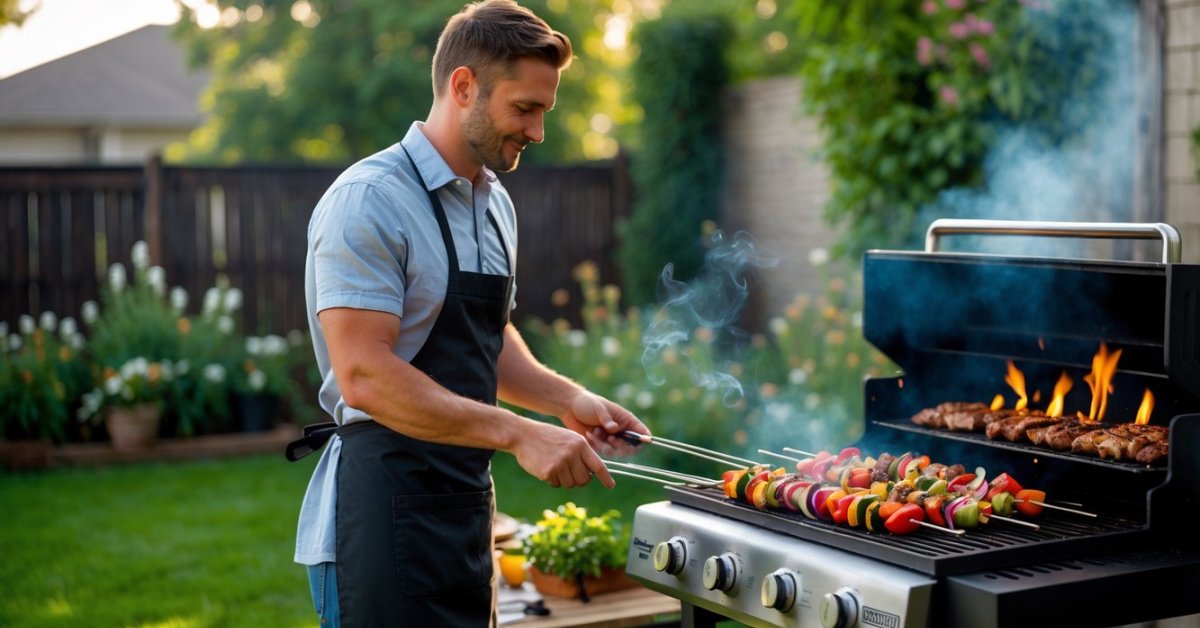
Whenever I fire up my hibachi grill I want every meal to come out just right. There’s something special about the sizzle and smoke that makes grilling on a hibachi both fun and a little challenging. Getting that perfect sear or juicy center isn’t just luck—it’s all about knowing your temperatures.
I’ve learned that a good thermometer is my secret weapon for grilling success. It takes the guesswork out of cooking and helps me serve up delicious food every time. If you’re ready to make the most of your hibachi grill I’ve got some simple tips that’ll help you use your thermometer like a pro.
Understanding the Importance of Temperature Control on a Hibachi Grill
Precise temperature control changes every hibachi grilling session. Surface temperature affects how proteins like steak or chicken develop a crust while keeping the inside moist. When I grill shrimp or thin sliced vegetables, quick accurate adjustments prevent burning or dry-out. Consistent temperature management keeps every ingredient—even onions or mushrooms—from overcooking or sticking.
Reliable thermometer readings let me spot heat zones across the hibachi. Cast iron or steel surfaces, including the flat griddles I use, often create hotter and cooler spots. By checking readings across different grill sections, I shift skewers, burgers, or filet mignon to the optimal side for searing or finishing gently.
Food safety also depends on temperature precision. Undercooked poultry, for example, increases salmonella risk, according to CDC data. My habits always include checking internal temperatures—from pork kabobs at 145°F to chicken breast at 165°F—since visual doneness can’t guarantee food safety.
Grill results—like juicy chicken thighs, crisp-edged tofu, or perfectly tender beef—rely on thermometer-guided temperature control. I taste the difference in every bite, whether grilling quick-serve yakitori or slow-cooked short ribs.
Choosing the Right Thermometer for Your Hibachi Grill
Grilling with a hibachi demands control and accuracy, so picking the right thermometer matters. I’ve tested a range of thermometers on everything from searing steaks to grilling chicken thighs, and each kind delivers different benefits.
Types of Thermometers Suitable for Hibachi Grills
- Instant-read thermometers: I grab these for quick spot checks on steaks, seafood, and vegetables. Digital models like the ThermoWorks Thermapen or Lavatools Javelin offer accurate readings in 3-5 seconds.
- Leave-in probe thermometers: These work well for thicker cuts such as pork tenderloin or whole chicken thighs. I set the probe at the grill and get temperature updates without opening the lid.
- Infrared thermometers: I use these to measure grate surface temperatures. They help me quickly find hot and cool spots, letting me get that perfect sear or slow-roast.
- Analog dial thermometers: These are less precise but deliver decent results when digital versions aren’t available. I carry one as a backup for basic checks.
Key Features to Look For
- Fast response time: I prefer models that show results in 2-4 seconds, avoiding long waits over hot coals.
- Accuracy: ±1°F accuracy helps me get reliable doneness, especially for chicken and pork where safety counts.
- High heat tolerance: I pick leave-in probes that handle at least 450°F, since hibachi flames can run hot.
- Clear display: I want large, backlit screens so I can read temperatures even during evening cookouts.
- Durability: I choose water-resistant and sturdy thermometers because hibachi grilling can get messy.
- Convenient size: I go for compact designs since hibachi setups usually have limited space for tools.
My experience with these thermometers leads to easier, safer, and tastier grilling sessions on hibachi grills, no matter what recipe I’m trying next.
Preparing Your Thermometer for Use
Getting a thermometer ready for a hibachi grill makes each cooking session safer, quicker, and more consistent. Before firing up the grill, I always double-check my thermometer to guarantee accurate readings and smooth performance.
Calibration and Accuracy Checks
Calibrating a thermometer ensures confidence in every temperature reading. I test accuracy before each grilling session by inserting the probe in ice water, confirming it reads 32°F (0°C), or in boiling water, checking for 212°F (100°C), depending on elevation. If the number’s off, many digital and dial thermometers have a reset or adjust feature. Consistently accurate calibration prevents undercooked chicken or over-done steak.
Cleaning and Maintenance Tips
Cleaning and maintaining a thermometer preserves its accuracy and extends its life. I wipe down the probe with hot, soapy water after every use, then disinfect it with a food-safe sanitizer. Storing thermometers in a dry, sheltered spot reduces moisture-related damage, while keeping spare batteries around prevents interruptions during grilling. Inspecting for cracks or corrosion identifies problems early and keeps each grilling session safe.
Tips for Using a Thermometer with a Hibachi Grill
Consistent thermometer use makes a difference on a hibachi grill. With all the direct heat and quick-cooking action, I rely on these methods to guarantee both flavor and safety.
Proper Placement on the Grill for Accurate Readings
Placement affects thermometer accuracy on any hibachi grill. I insert the probe into the thickest part of the protein—center of a chicken breast, middle of a steak—since thinner areas heat up faster and give false readings. I avoid touching bone or the grill surface with the probe, since both skew temperature results by 10–30°F. For thinner items like shrimp or yakitori, I aim for the largest piece on the hottest zone to get the most accurate sense of doneness. Testing a few spots across the grill gives a map of hot and cool zones, letting me position proteins and veggies in the ideal spots to avoid overcooking.
Techniques for Measuring Internal Food Temperature
Measuring internal temperature requires precision. I insert instant-read or probe thermometers at an angle for thin cuts and straight into thicker cuts, keeping the sensor tip in the geometric center. When I cook burgers or sausages, I insert from the side for the best view of the middle. Resting the probe for 2–3 seconds gives stable readings. For multitasking, I use leave-in probes that alert me as soon as the target temperature is reached. If I’m testing multiple steaks or chicken thighs, I wipe the probe clean between checks for accuracy and food safety.
Safety Precautions When Handling Hot Surfaces
Safety guides my interactions with both grill and thermometer. I always use heat-resistant gloves when reaching over the hibachi or handling metal probes, since grates and utensils climb above 500°F while grilling. I keep the thermometer wire or handle clear of flames and moving parts to prevent burns or accidental melting. When checking multiple foods, I move quickly, closing the grill between uses to keep hands out of direct heat and maintain an even cooking temperature. I store the thermometer away from the grill’s edge as soon as I finish testing to reduce the risk of burns or drops.
Troubleshooting Common Temperature Reading Issues
Even with a solid thermometer, grilling on a hibachi sometimes throws curveballs. I’ve found most temperature reading issues come down to a few common situations.
Dealing with Fluctuating Temperatures
Temperature fluctuations happen often on small hibachi grills due to varied heat zones and airflow. I always let the grill fully preheat before inserting a thermometer because the surface temperature stabilizes after about 10 minutes. When I notice a big swing in readings, I move the food slightly or re-check with a second thermometer for confirmation. Cross-checking with a laser thermometer on the grate helps when the probe numbers look suspicious. Sudden drops can signal an open grill lid or drafts, while unexpected spikes might mean the probe touched a flare-up or direct flame.
Recognizing and Avoiding Common Mistakes
Several mistakes create inaccurate temperature readings on hibachi grills. I never let the probe tip rest against bone, fat pockets, or the actual grill grate, since these contact points easily produce higher or lower readings than the true internal temperature. Inserting the probe at a steep angle or not deep enough can keep it from reaching the thickest part of the food. I make a habit of cleaning grease or carbon off the probe after each use—buildup can insulate the sensor and delay response time. Using a thermometer too close to a flare-up risks damaging the sensor and reading. I always give the thermometer a few extra seconds for the reading to settle, especially with thicker cuts or leave-in models.
Conclusion
Using a thermometer with a hibachi grill has completely changed the way I cook outdoors. It’s a simple tool that brings confidence and consistency to every meal. With a bit of practice and care my thermometer has become as essential as my spatula.
If you’re ready to take your hibachi grilling to the next level don’t hesitate to make your thermometer your go-to grilling companion. Happy grilling and enjoy every bite!


