
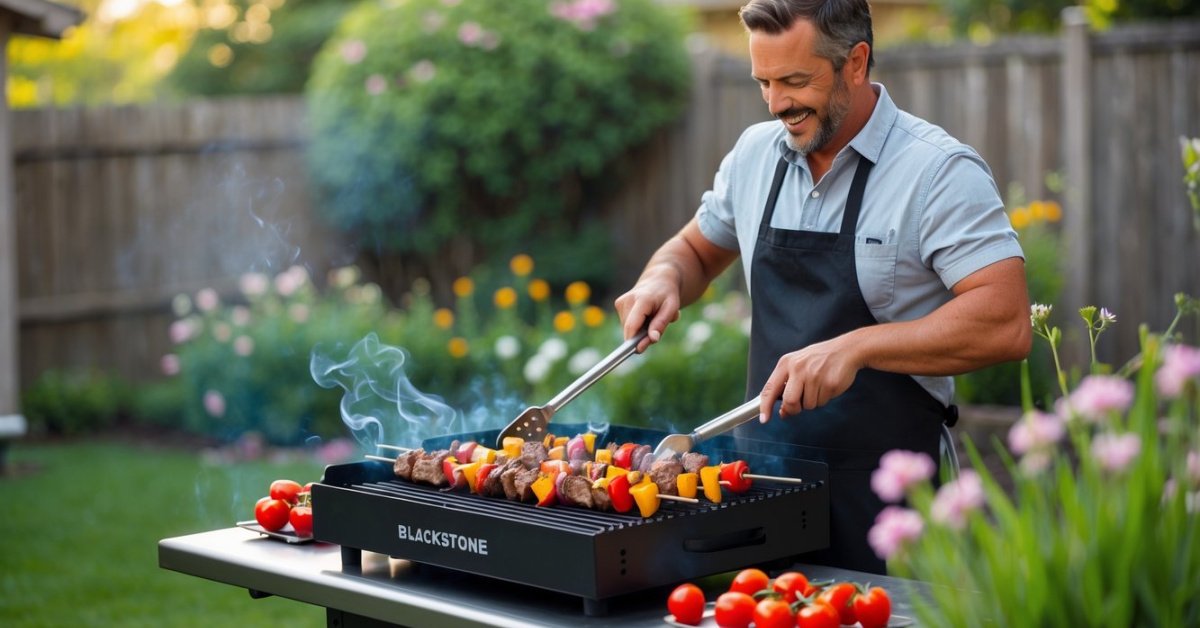
When I’m grilling over charcoal there’s nothing better than that smoky flavor and sizzle. But getting the perfect steak or juicy chicken isn’t just about the heat—it’s about knowing exactly when your food is done. That’s where a reliable thermometer comes in.
I’ve learned the hard way that guessing temperatures can lead to overcooked burgers or underdone ribs. The right thermometer takes out all the guesswork and lets me focus on enjoying the process. If you’re serious about grilling with charcoal and want to nail that perfect doneness every time you’re in the right place.
Why Accurate Temperature Matters in Charcoal Grilling
Accurate temperature readings transform charcoal grilling consistency. I learned on my Texas bbq cart that guessing surface heat often resulted in dry brisket or rare chicken. Reliable thermometers keep my grilling controlled, no matter if I’m flipping ribeyes or smoking pork shoulder.
Correct internal temperatures guarantee food safety. Undercooked poultry carries risks like salmonella, which over 1 million people in the US get sick from each year (CDC). When I cook chicken thighs, I watch them hit 165°F with my thermometer to keep my guests safe.
Optimal temperatures lock in flavor and moisture. I noticed juiciness in steaks at 130°F for medium-rare. When I used to check doneness by touch, I’d end up with inconsistent results—sometimes over, sometimes under. A good thermometer lets me pull meat at the precise point for tenderness every time.
Temperature control affects charcoal efficiency. When I smoke brisket at 225°F and not higher, the wood chips give the right amount of smoke, making the flavor deep without bitterness.
Consistency attracts repeat customers and happy family meals. Every time my brisket matched the perfect temp, I knew folks would remember that bite for weeks.
Types of Thermometers for Charcoal Grilling
Different thermometer types serve specific grilling needs when working with charcoal. I’ve tested each kind in my search for consistent flavor and food safety.
Instant-Read Thermometers
Instant-read thermometers give quick, accurate temperatures with just a quick probe. Brands like ThermoWorks Thermapen and Lavatools Javelin show results in about two to three seconds, letting me check steak or chicken without leaving the lid open long. I find them ideal for checking doneness near the end of grilling or verifying multiple cuts. I recommend these for anyone who grills smaller meats or likes rapid feedback.
Wireless and Bluetooth Thermometers
Wireless and Bluetooth thermometers monitor temperatures from a distance while I manage the rest of my cookout. I use models like the MEATER Plus and ThermoPro TP25 to watch grill temps and internal meat temps in real time, thanks to smartphone apps. These choices reduce trips to the grill and help me manage large cuts or multiple recipes on busy days. Some options support up to four probes, making it easy to track brisket, sausage, and ribs at once.
Leave-In Probe Thermometers
Leave-in probe thermometers offer continuous tracking by sitting in the meat or grill for the full cook. My experience with models like the ThermoWorks Smoke and Maverick ET-733 proves they’re reliable for steady, low-and-slow cooks. I set target alerts, knowing I’ll catch every stall and finished temp without guessing. For long brisket or pork shoulder sessions, I trust leave-in probes for precision and consistency.
Top Features to Look for in a Grill Thermometer
Accuracy
Accuracy measures the reliability of temperature readings. I always check calibration specs before using a thermometer on brisket, steak, or chicken. Most high-quality probe thermometers report within ±1°F; models from brands like ThermoWorks consistently perform at this level.
Speed
Speed determines how fast I get a reading. When working with high-heat charcoal, quick-response times help me avoid burnt outsides or raw centers. Instant-read options typically deliver temps in 2-3 seconds, which I value during busy BBQ shifts.
Temperature Range
Temperature range covers the span a thermometer can measure. For charcoal grilling, ideal thermometers handle at least 32°F-572°F, allowing me to check everything from cold-smoked salmon to blazing-hot pizza stone temps.
Display Quality
Display quality affects visibility in daylight or smoke. Backlit, large, or rotating screens make reading easier when I’m working outside or at night. I always look for digits I can see at a glance so I don’t lose time with the lid open.
Durability
Durability shows how well a thermometer handles outdoor grilling. Water resistance, strong probes, and tough casings help maintain accuracy through rain, splashes, and drops. Rubberized grips and sealed seams keep my gear reliable cookout after cookout.
Probe Length
Probe length matters for thicker cuts. I use at least a 4-inch probe for pork shoulder or brisket, ensuring deep, even meat temp readings.
Wireless/Bluetooth Connectivity
Wireless and Bluetooth connectivity expands flexibility. When testing multiple recipes at once, I rely on remote-read models so I can manage smoker temp and meat temp from my phone.
Alarm and Timer Functions
Alarm and timer functions help prevent overcooking. Customizable alerts for pit or meat temperature let me multitask with confidence, which keeps ribs, wings, and other meats from drying out.
Easy Calibration
Easy calibration maintains accuracy over time. Thermometers with simple ice or boiling water adjustment extend service life; I frequently recalibrate to keep briskets coming out perfect.
Battery Life
Battery life supports long cooks. Extended battery capacity or USB recharging means a thermometer lasts all day, which I learned was essential during 16-hour Texas brisket sessions.
The Best Thermometers for Grilling with Charcoal: Our Top Picks
Reliable thermometers help me get perfect results every time I fire up the coals. After years of burning through gadgets and grilling countless briskets, I’ve narrowed down the top picks for every kind of charcoal grill master.
Best Overall Thermometer
The ThermoWorks Thermapen ONE stands out as the best overall thermometer for grilling with charcoal. I get lightning-fast 1-second readings and lab-grade accuracy that keeps brisket juicy and chicken safe. A bright rotating display lets me check temps anywhere on the charcoal grate, day or night. Its waterproof build survives Texas rain or meat juices, while the long probe reaches deep into thick pork shoulders. ThermoWorks support backs it with a generous warranty, so folks serious about grilling trust this tool for every BBQ.
Best Budget-Friendly Option
The ThermoPro TP03 Digital Instant-Read scores as the best budget-friendly grilling thermometer. I rely on the quick 3–4 second response to check steaks and burgers when I’ve got a crowd. The foldaway probe stores safely in my apron pocket and the bright LCD is readable from any angle over hot coals. Hard plastic housing stands up to drops on concrete, making this pick a favorite for backyard cookouts or camping trips without breaking the bank.
Best High-Tech Choice
The MEATER Plus Wireless Smart Meat Thermometer tops my list as the best high-tech thermometer for grilling with charcoal. I monitor both internal food temps and grill ambient temps from my phone up to 165 feet away, so I mingle with guests while the ribs smoke. Dual sensors, guided cook programs, and Bluetooth connectivity take the guessing out of reverse-searing thick steaks or managing two-zone fires.
Best for Smoking and Long Cooks
The ThermoWorks Smoke X2 dominates when I’m charcoal smoking brisket, pork butt, or turkey over long cooks. Two probes track both meat and pit temperatures all day, warning me if heat drops or spikes without babysitting the firebox. A rugged receiver hangs from my belt and ranges out to 6,500 feet, staying accurate in thick Texas air. Alarm alerts and a tough build make the Smoke X2 indispensable for marathon cooks where precision and reliability matter most.
Tips for Using Thermometers with a Charcoal Grill
- Check battery levels before lighting charcoal
I always keep extra batteries nearby since charcoal sessions can stretch for hours, and dead batteries midway stop accurate tracking.
- Calibrate thermometers regularly
I use an ice bath or boiling water at least once a month, since burning lump charcoal at high temps can knock accuracy off by a degree or two.
- Insert probes in the thickest part
I push the probe into the thickest section, like the center of a chicken breast or brisket, since thinner edges cook faster and mislead the reading.
- Avoid resting probes against bone or grill grates
I keep probes away from bones because bone surfaces heat unevenly, and I angle probes a half-inch above the grate to prevent false high readings from direct heat.
- Monitor both grill and meat temps with dual probes
I set one probe in the meat and another at grate level, since temperature fluctuation is constant with charcoal and knowing air temp guides vent adjustments.
- Place thermometer displays out of direct heat
I clip the display unit to a cool zone on my cart, since leaving it near direct heat or flames risks melting screens and distorting electronics.
- Clean probes after every use
I wipe down each probe after grilling because burnt-on residue can affect accuracy and shorten lifespan.
- Use wireless thermometers for multi-zone grilling
I often work with indirect and direct heat zones, so wireless probes show temp changes instantly if I move cuts between zones.
- Set alarms for both high and low targets
I set alert ranges since charcoal burns unpredictable, and alarms notify me before temps drift too far off, keeping food from overcooking.
- Store thermometers in dry, cool spaces
I keep mine in a tool drawer because humidity and grease buildup from outdoor grilling can corrode sensitive parts.
Conclusion
Grilling with charcoal is one of my favorite ways to cook and the right thermometer makes all the difference. It takes the guesswork out and lets me focus on enjoying the process and the company around the grill.
With so many great options out there it’s easy to find a thermometer that fits your style and budget. Once you start using one you’ll wonder how you ever grilled without it. Happy grilling and may every meal come off the coals just right!


