
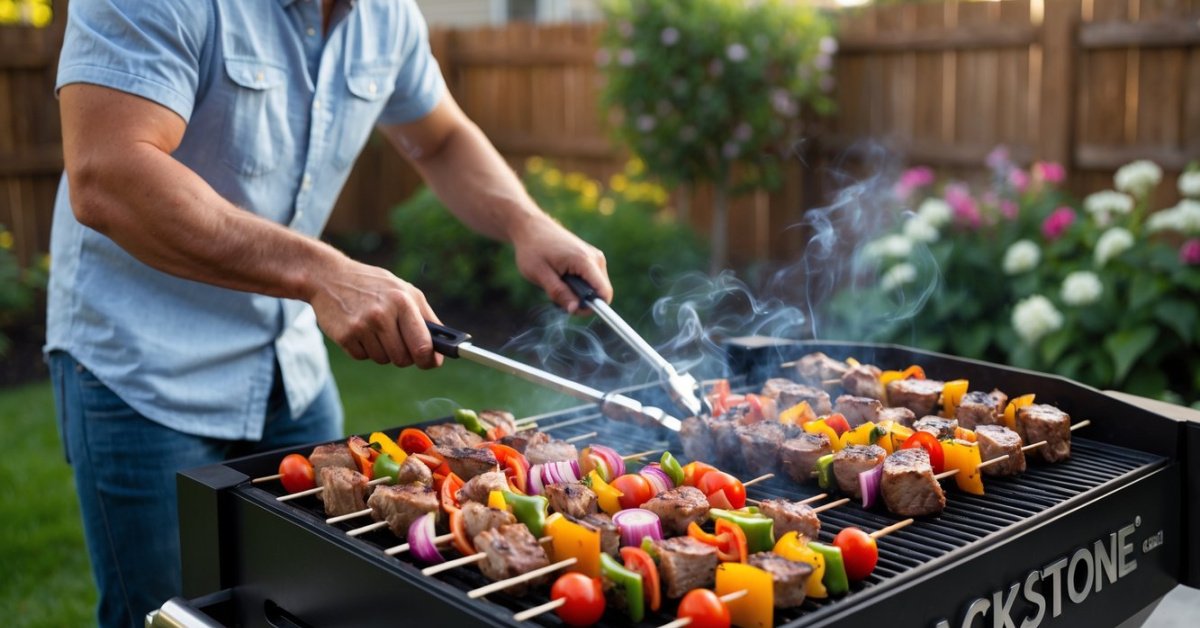
Grilling in the rain or dealing with unexpected splashes can take the fun out of a backyard barbecue, especially if my thermometer can’t keep up. I’ve been there—trying to check the meat’s temperature while dodging raindrops and worrying about water damage. It’s frustrating when a little moisture ruins a perfectly good cookout.
That’s why I started searching for thermometers built to handle wet conditions. With the right gear, I don’t have to worry about the weather messing with my grilling plans. Let’s dive into what makes a thermometer truly reliable when things get damp and discover a few favorites that have never let me down.
Why Accurate Temperature Matters When Grilling in Wet Conditions
Accurate temperature control determines meat safety when grilling in wet conditions. Moisture in the air, like rain or high humidity, slows grill recovery after opening the lid, so the grill loses heat faster than normal. Precise readings help me adjust timing to keep briskets, ribs, and other proteins at safe minimum internal temperatures—like 145°F for pork or 165°F for chicken, per USDA guidelines.
Consistent thermometer accuracy prevents overcooking and undercooking in wet weather. Strong wind, damp charcoal, or wet wood chips change heat output, so my temperature targets can’t just rely on intuition. Real-time, reliable thermometers ensure burgers, steaks, and sausages hit doneness goals without drying out or staying raw inside.
Reliable instruments improve food quality during rainy grilling sessions. Rain lowers flare-up risks but increases the potential for steam and meat juiciness loss if temps swing too high or too low. Accurate readings let me monitor the grill proactively so briskets keep their bark and whole chickens hold moisture throughout longer cooks.
Errors in temperature readings lead to wasted ingredients. I’ve lost racks of ribs and pork butts from using faulty, moisture-damaged probes that gave false high or low readings. Now, I depend on waterproof thermometers to protect my investment in premium cuts, ensuring each recipe delivers on tenderness and flavor—no matter if the clouds roll in.
Key Features to Look for in a Wet-Weather Grill Thermometer
Grillers who want to maintain control in the rain should focus on thermometers built for wet weather. As someone who’s grilled everything from brisket to burgers in Texas thunderstorms, I always check for the following essentials.
Waterproof and Weatherproof Ratings
Waterproof ratings identify a thermometer’s resistance to rain and splashes. Look for at least IP66 or IP67 ratings, which I find protect my devices from heavy showers and direct rinses. Thermometers like the ThermoWorks Thermapen ONE, with IP67, survive frequent storms, while cheaper alternatives with no rating quit on me after the first drizzle.
Durability and Build Quality
Durable construction keeps a thermometer functional long-term. Choose models with stainless steel probes, impact-resistant housings, and rubber-sealed joints. For example, the MEATER Plus has a sealed body and robust steel, so it holds up through drops and wet handling around big cuts like briskets or pork shoulders.
Readability and Display Options
Large, backlit displays guarantee visibility during low-light, rainy sessions. I rely on thermometers that offer high-contrast screens or rotating LCDs—like the ThermoPro TP19, which I read easily through steam and twilight. Glove-friendly buttons also help when my hands are slick or cold.
Wireless and Bluetooth Capabilities
Wireless and Bluetooth features let me check temps from shelter or indoors during storms. Models with strong radio signals or Bluetooth ranges above 200 feet—such as Weber iGrill 2 or Inkbird IBT-4XS—keep me updated without standing over the grill. Alerts on my phone give peace of mind that meat stays at the right temp, even when the weather’s working against me.
The Best Thermometers for Grilling in Wet Conditions
Grilling in the rain used to mean fighting foggy readings and ruined gear. I’ve tested dozens of thermometers in downpours and damp smoke, always focusing on accuracy, speed, and resilience.
Top Picks and Product Overviews
- ThermoWorks Thermapen ONE
Thermapen ONE consistently delivers fast, spot-on readings with a waterproof rating of IP67. I’ve held this model in heavy Texas rain for 10 minutes, and the sensor kept working without lag. The backlit display auto-rotates, making it easy to read no matter the grill angle.
- MEATER Plus Wireless Smart Meat Thermometer
MEATER Plus features full wireless convenience, rated IP65 against water jets. I use it when I want to monitor from inside, and the app updates me through walls and weather. The rechargeable probe lasts up to 24 hours per charge, letting me track brisket or tri-tip on long smokes.
- ThermoPro TP20 Wireless Remote Meat Thermometer
ThermoPro TP20 stands up to steady drizzle with IPX7 protection. Its dual-probe setup works for simultaneously tracking two proteins, like steak and chicken. The remote reaches up to 300 feet, and the bold screen glows for night grilling under my porch awning.
Comparison of Features and Performance
| Model | Waterproof Rating | Probe Material | Display Type | Max Wireless Range | Response Time |
|---|---|---|---|---|---|
| Thermapen ONE | IP67 | Stainless steel | Rotating, backlit | Wired (instant-read) | 1 sec |
| MEATER Plus | IP65 | Stainless steel | App-based | 165 feet (Bluetooth) | ~3 sec |
| ThermoPro TP20 | IPX7 | Stainless steel | Backlit LCD | 300 feet (Radio) | ~5 sec |
Thermapen ONE provides rapid, reliable readings when I’m close to the grill and need fast checks, even during heavy rain. MEATER Plus lets me track slower cooks if I can’t linger by the smoker, keeping my phone updated while I prep sides indoors. ThermoPro TP20’s rugged probes and long-range remote suit multi-zone cooks and bigger gatherings when I’m moving around.
All three thermometers have survived wet sessions on my backyard offset—no fogged screens or waterlogged electronics. For stubborn Texas downpours, these remain my go-to picks for grilling in wet conditions.
Tips for Grilling in Rainy or Humid Environments
Grilling in wet weather changes a few routines for me, especially when I want my thermometers to stay accurate and fully functional through every storm. Good grill prep and extra attention to safety keep things running smooth, no matter how damp the air gets.
Proper Thermometer Care and Maintenance
Drying thermometers completely after use keeps them responsive and accurate, even after heavy rainfall. Storing thermometers in a sealed waterproof container prevents corrosion and internal moisture buildup between grilling sessions. Wiping stainless steel probes with food-safe sanitizer after each cook reduces rust, especially in humid climates like Texas. Regularly checking all battery compartments for trapped moisture preserves internal components—water exposure inside can shorten a thermometer’s life, even on waterproof models. Replacing probe wires as soon as I see fraying or kinks ensures strong readings during any weather event.
Safety Considerations
Keeping hands and thermometer probes dry while grilling in the rain helps maintain safe grip and reliable handling, since wet tools can slip easily. Avoiding direct rain on open electrical ports or wireless receivers preserves signal strength and consistent thermometer readings in stormy conditions. Using heat-resistant gloves while checking temps in wet and windy weather protects skin from flare-ups, especially with wet charcoal producing extra steam. Positioning the grill with the lid away from wind-driven rain helps prevent water from chasing down into hardware, affecting both heat and electronics. Always wiping off handles and control surfaces after each session helps keep everything safe for the next round, no matter how humid the forecast.
Conclusion
Grilling in wet weather doesn’t have to mean guessing games or ruined meals. With the right thermometer by my side, I can focus on enjoying the process and the flavors, rain or shine. Investing in a reliable waterproof model has made all the difference for my outdoor cooking adventures.
Staying prepared with the right tools lets me grill confidently no matter what the forecast says. Now I can savor juicy steaks and perfectly cooked brisket even when the skies are gray. Happy grilling—whatever the weather brings!


