
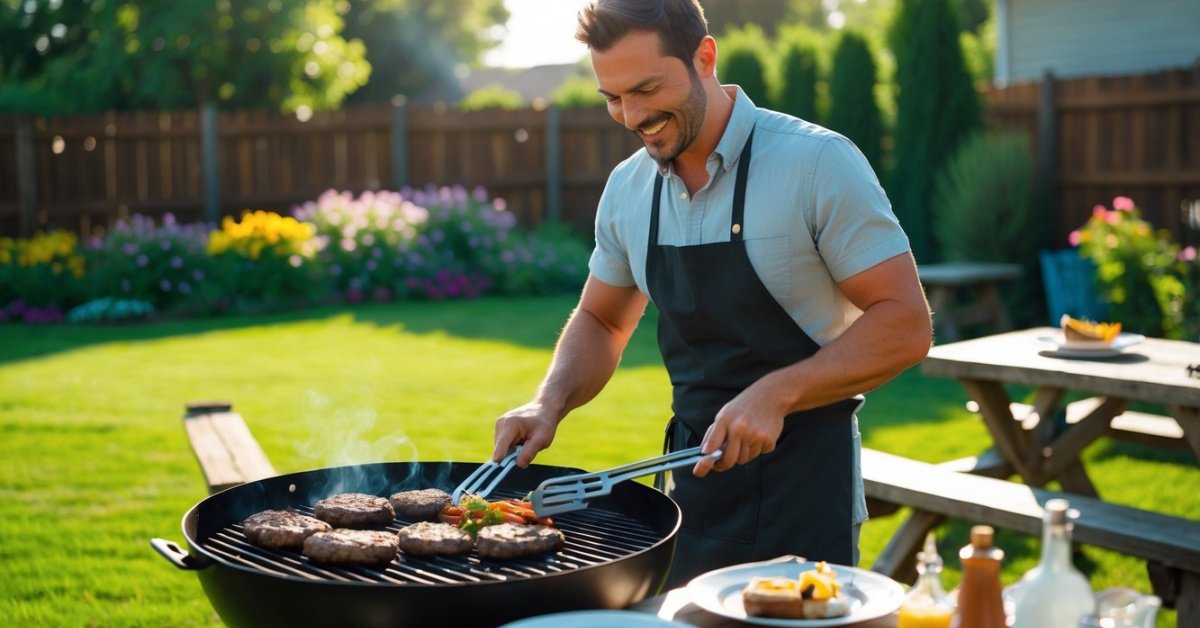
Grilling fish always feels a bit like an art form to me. The sizzle and aroma are irresistible but getting that perfect flaky texture can be tricky. I’ve learned that even the best marinade or freshest catch won’t save a fillet from overcooking or coming out raw in the middle.
That’s why I never fire up the grill without a reliable thermometer in hand. With so many options out there it’s easy to get overwhelmed by all the bells and whistles. Let me walk you through what really matters when picking the right thermometer for grilling fish so you can focus on flavor and enjoy every bite.
Understanding the Importance of Accurate Temperature When Grilling Fish
Maintaining accurate temperature is essential for grilling fish because precise heat delivers the right texture and flavor. Fish fillets like snapper, cod or tilapia cook much faster than beef or pork, making them easy to overcook. Even a 5°F difference can mean the difference between juicy, flaky fish and a dry, tough piece that’s lost its flavor.
I always measure the internal temperature of fish at the thickest part using a reliable digital thermometer. Accurate readings guarantee even doneness, especially with fillets of different thicknesses. For most types, 145°F marks safe doneness as recommended by the FDA, but I often remove fish at 135-140°F since carryover heat completes the job during resting.
Undercooking introduces health risks from bacteria or parasites, with FDA guidelines aiming to prevent illnesses from mishandled seafood. Overcooking, in contrast, ruins texture and wastes quality ingredients. Temperature precision ensures both food safety and consistent results, especially when grilling delicate skin-on fillets or whole fish.
I see huge differences between thermometers when testing recipes—slow analog dials can be off by over 10°F, while unreliable probes can create inaccurate readings and unevenly cooked dishes. Fast, precise thermometers give me both safety and the perfect flaky texture fish lovers expect. Accurate temperature transforms basic grilled fish into consistently great backyard BBQ.
Types of Thermometers Suitable for Grilling Fish
Picking the right thermometer makes grilling fish less of a gamble and more of a science. I use a few different types in my backyard and at the food cart, and each proves useful in its own way for getting just the right flaky bite.
Instant-Read Thermometers
Instant-read thermometers offer speed and accuracy for spot-checking grilled fish. I rely on digital models like the Thermapen ONE or Lavatools Javelin for quick readings within 2-3 seconds. These thermometers measure the internal temperature at the thickest part, and I only insert the probe about halfway in. With fish being so delicate, an instant-read avoids overcooking by letting me pull the fillets off the grill as soon as they hit the target temperature.
Probe Thermometers
Probe thermometers provide real-time monitoring for thicker cuts or whole fish. Models such as the ThermoWorks ChefAlarm or the MEATER Plus connect a wired or wireless probe to a display unit outside the grill. I set an alert around 135°F so the fish never creeps past the perfect temperature. This hands-off approach is especially effective when grilling multiple fillets or smoking whole fish like trout, since it avoids opening the grill and losing heat.
Infrared Thermometers
Infrared thermometers read surface temperatures without direct contact. Units like the Etekcity Lasergrip or ThermoWorks IR-Gun let me check grill grates or fish skin instantly. I aim the laser to verify hot spots or browning, although these devices can’t measure the fish’s internal temperature. I use an infrared thermometer mainly as a supplement to confirm grill readiness or when searing, not as the primary tool for food safety.
Key Features to Look for in a Fish-Grilling Thermometer
I choose fish-grilling thermometers that handle the demands of a live grill. Accurate tools help me hit the right temperature every time, locking in juiciness and maximizing flavor.
Temperature Range and Accuracy
I check for thermometers that measure at least 32°F to 400°F. Fish fillets and steaks rarely need the upper limits, but wide ranges mean more versatility. I stick with models offering ±1°F accuracy or better, like the Thermapen ONE, since thin fish cuts react to even small temperature shifts. Reliable accuracy keeps every snapper or cod fillet perfectly done.
Response Time
I gauge the best thermometer by its response speed—faster is always better. Models with 2-3 second response times, such as the Lavatools Javelin, stop me from overcooking delicate fillets while I’m holding the lid open. Quick readings let me check several fish portions back-to-back without losing grill heat.
Durability and Water Resistance
I prefer thermometers with tough casings and at least an IP65 water resistance rating, especially for outdoor grilling. I grill rain or shine, so my tools face plenty of moisture and heat. Stainless steel probes and sealed electronics mean my investment stands up to smoke, splatter, and summer storms.
Ease of Use and Readability
I always look for large, backlit displays and intuitive controls. Fish fillets finish fast, and I can’t waste time fumbling with settings. Single-button interfaces, rotating screens, or auto-on features help me focus on the grill, not the gadget. Strong readability in direct sun also makes a major difference when grilling outdoors.
Tips for Using a Thermometer When Grilling Fish
Getting perfect results from grilled fish depends on how you use the thermometer during cooking. Precision lets me get clean flakes and juicy texture every time.
Proper Placement of the Probe
Placing the thermometer probe at the thickest part of the fish always delivers the most accurate reading. I push the tip into the center of thicker fillets like salmon or grouper to capture the lowest internal temperature. For thin fillets like tilapia or snapper, I angle the probe from the side to avoid poking through, ensuring the sensor stays in the center. In whole fish, I insert the probe behind the gill and aim for the middle of the flesh, not touching any bone, since bones heat up faster and can false-trigger the reading. I always leave the probe in place for three to five seconds to let the temperature settle before removing the fish from the grill.
Cleaning and Maintenance
Cleaning the thermometer after each use protects flavor and guarantees accuracy. I wipe the probe with a damp cloth right after grilling, then scrub with soapy water to remove stubborn fish residue. Fully dry the probe before storing to stop rust, especially with stainless steel models. I avoid plunging digital displays in water and only use a damp towel for quick wipe-downs. Once a month, I check calibration with an ice bath or boiling water to confirm precision, following manufacturer guidelines for adjustment. Clean thermometers not only prevent off-flavors but also ensure a longer lifespan for all my bbq tools.
Top Recommendations for Thermometers for Grilling Fish
Based on my years of grilling, selling BBQ classics, and testing dozens of grilling thermometers, these models offer the accuracy, speed, and durability that fish demands over the fire.
- Thermapen ONE
Fast readings in 1 second and ±0.5°F accuracy set Thermapen ONE apart. I’ve used it on snapper fillets and whole trout. The backlit display’s easy to read, even during evening BBQs. The waterproof casing stands up to wet conditions by the lake or at the grill.
- Lavatools Javelin PRO Duo
Instant readings under 3 seconds and a step-down tip help target the thickest part of thin fillets. The auto-rotating display comes in handy if I’m reaching across a hot grill. The PRO Duo holds up against splashes and Texas heat on my old cart.
- ThermoWorks ChefAlarm
A leave-in probe makes ChefAlarm perfect for whole fish or cedar plank salmon. I set temperature alerts at 140°F when grilling steelhead. The probe cable handles grill temps up to 700°F. The compact size packs well for campsite cookouts.
- MEATER Plus
The wireless MEATER Plus tracks both internal and ambient temps, which helps with indirect grilling. I’ve used it for red snapper on the half shell. The mobile app’s step-by-step guidance avoids overcooking, especially when I’m chatting with guests.
- ThermoPro TP19H
The TP19H gives quick readings and features a foldable probe—handy for smaller spaces. The magnetic back lets me keep it on the grill, ready for frequent checks on tilapia or catfish. The price makes it good for beginners without skimping on precision.
| Model | Type | Response Time | Accuracy | Waterproof | Special Features |
|---|---|---|---|---|---|
| Thermapen ONE | Instant-Read | 1 second | ±0.5°F | Yes | Backlit, rotating display |
| Lavatools Javelin PRO Duo | Instant-Read | <3 seconds | ±0.9°F | Splashproof | Magnetic, auto-rotating |
| ThermoWorks ChefAlarm | Probe/Leave-in | N/A | ±1.8°F | Splashproof | Temperature alarms, timer |
| MEATER Plus | Wireless Probe | N/A | ±1°F | Yes | App connectivity, dual sensors |
| ThermoPro TP19H | Instant-Read | 2-3 seconds | ±0.9°F | Splashproof | Folding probe, magnetic back |
Test each thermometer with real fish on the grill to see which matches your BBQ style, since grilling habits, fish thickness, and preferred features shape what works best. Each delivers temperature precision, rugged durability, and speed that help guarantee flaky, juicy fish every time.
Conclusion
Grilling fish can feel intimidating but having the right thermometer takes away all the guesswork. I’ve found that using a reliable tool lets me focus on the fun parts—seasoning and enjoying a perfectly cooked meal with friends and family.
Don’t be afraid to experiment with different models until you find the one that matches your grilling style. With a little practice and the right thermometer in hand you’ll serve up beautifully flaky fish every time.


