
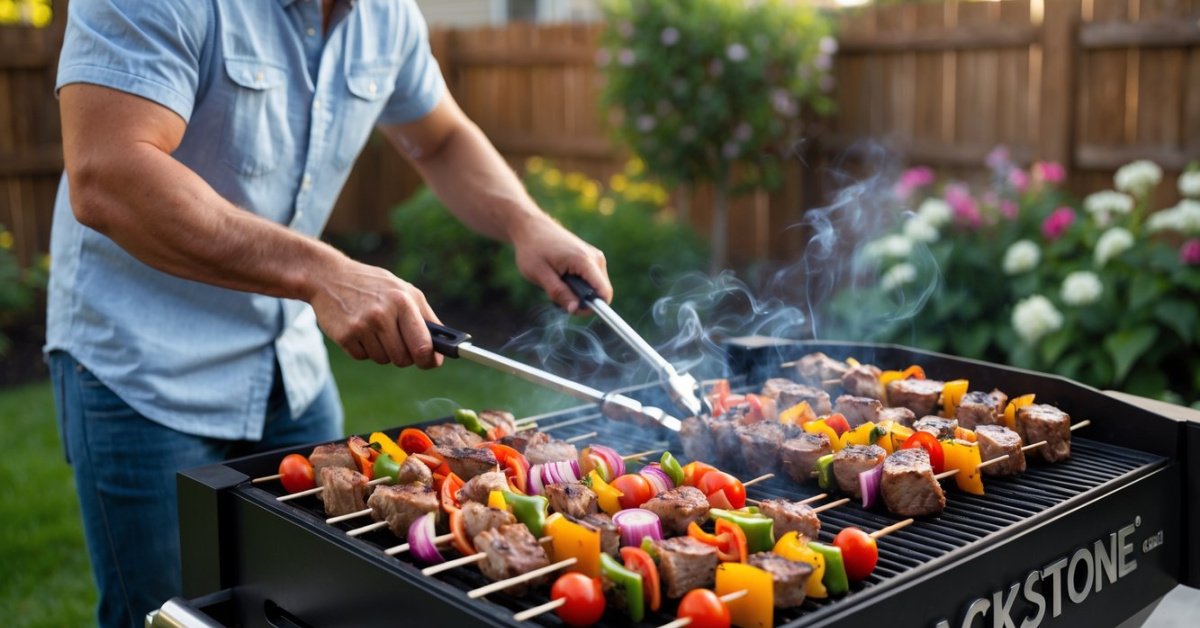
When I’m firing up the grill for a steak or some juicy burgers, I know that hitting the right temperature is the secret to perfect results. High-heat grilling can be tricky, and guessing if the meat’s done just doesn’t cut it. That’s where a reliable thermometer comes in—it takes the stress out of grilling and helps me serve up food that’s safe and delicious every time.
With so many thermometer options out there, it’s easy to feel overwhelmed. I want something that can handle the heat, give me quick readings, and stand up to the outdoor elements. Finding the right one makes all the difference, and I’ve learned a few tips along the way that can help anyone grill like a pro.
Why Thermometer Choice Matters for High-Heat Grilling
Accurate thermometers keep high-heat grilling precise. High-heat grills, such as charcoal and gas setups running above 500°F like I use for steak sears, don’t forgive mistakes—the difference between perfect medium-rare and overcooked happens fast. Instant-read thermometers let me check temperature inside seconds, minimizing open-lid time and keeping the heat consistent.
Heat tolerance separates solid grilling thermometers from cheap kitchen models. Many digital units lose accuracy or quit if exposed to grill flare-ups, high temps, or drips. I learned this lesson grilling ribeyes during the Texas summer when older tools melted or cracked. Look for models tested for direct grill temps and rated above 700°F.
Speed also matters. Higher heat means a smaller window to check doneness. Models that give a reading in 2-3 seconds, like my go-to thermocouple probe, cut down guesswork and keep juices inside the meat. Slower thermometers can’t keep up with the fast pace, especially during back-to-back burger runs.
Durability stays critical for regular outdoor use. I’ve broken glass analog thermometers bumping them around at cookouts or left a digital model outside in a rainstorm. Waterproof designs and reinforced construction give peace of mind—especially if you grill many times a week.
Consistent, repeatable results come with reliable temperature measurement. Knowing my brisket hit exactly 203°F or my chicken breast cleared 165°F every time builds confidence in my bbq. That repeatability just isn’t possible if the thermometer’s off or too slow for high-heat work.
Key Features to Consider When Choosing a Thermometer
When I’m picking a thermometer for high-heat grilling, a few specific features always set the best ones apart. These key features help me get fast, accurate results, whether I’m grilling brisket or quick-searing steaks.
Temperature Range and Accuracy
I look for thermometers rated for at least 700°F since high-heat grilling often hits those numbers. Accurate readings matter, especially above 500°F, because undercooked or overcooked meats can ruin the meal. Models with ±2°F accuracy perform well for steaks, burgers, and other fast-cooking cuts.
Response Time
Fast response time means I can check temps without leaving the grill lid open too long. Top grilling thermometers deliver readings in 2-3 seconds. Speed becomes crucial for thin cuts and flare-up situations, where every second counts.
Durability and Build Quality
Durable thermometers last longer, especially when used outdoors, like at a Texas-style BBQ. I prefer models with waterproof or weather-resistant designs, since rain, grease, and heat are common at the grill. Stainless steel probes and strong casings hold up against drops or bumps during backyard sessions.
Display and Readability
Clear, large displays let me see temps quickly, even when smoke is swirling. I look for high-contrast screens or backlighting for nighttime cooks. Thermometers with rotating displays and bold numbers keep things easy to read with one hand, spatula in the other.
Types of Thermometers Suitable for High-Heat Grilling
I see lots of grillers get stuck when picking thermometers, especially for hot, fast cooks. Reliable thermometers built for high-heat grilling handle flare-ups, give instant results, and last season after season. I’ll break down the options I trust for this kind of grilling.
Instant-Read Thermometers
Instant-read thermometers give direct temperature readings in 2-3 seconds, making them my go-to for grilling steak, burgers, and thick chops. Models like the ThermoWorks Thermapen ONE and Lavatools Javelin PRO Duo handle temps over 500°F without melting or losing precision. I use stainless steel probes, which hold up to repeated use and cleaning. Modern instant-read thermometers feature large, backlit displays and auto-rotating screens, which make checking temps in low light or one-handed much easier.
Probe Thermometers
Probe thermometers use heat-resistant wires to track temperatures inside meat and at the grill grate. When smoking ribs or grilling pork loin, I rely on leave-in digital probes like the ThermoPro TP20 or MEATER Plus. These models track temps up to 700°F, which keeps meats safe and grill masters in control. Multi-probe units make it possible to monitor several items or ambient grill temps at once, which helps during longer or indirect cooks. I pick probes built from stainless steel, with weatherproof wiring that resists flare-ups and rain, since grilling doesn’t always go as planned.
Infrared Thermometers
Infrared thermometers read surface temperatures instantly, which lets me gauge grill grates, pizza stones, or cast iron pans without physical contact. Models such as ThermoWorks Industrial IR Gun or Etekcity Lasergrip 1080 are rated up to 1,022°F, covering all high-heat grilling scenarios. These thermometers don’t measure internal food temp, but they’re perfect for making sure a grate is hot enough for searing or for checking heat zones across the grill. I keep an IR thermometer within reach when prepping steaks, since grill surface temp matters as much as internal doneness.
| Thermometer Type | Response Time | Max Temp Rated | Best Use Example | Material/Design Features |
|---|---|---|---|---|
| Instant-Read | 2-3 seconds | 500-600°F+ | Steak, burgers | Stainless steel, backlit, rotating screen |
| Probe (Leave-In) | Continuous | 700°F | Ribs, pork loin, poultry | Weatherproof wire, multi-probe |
| Infrared | Instantaneous | 1,000°F+ | Grill grates, pizza stone | No-contact, laser targeting |
Top Tips for Using Thermometers on the Grill
- Insert thermometers properly
I push the probe into the thickest part of the meat, avoiding bone and fat pockets, since these can give false readings. For burgers or steaks, I slide the probe in from the side for a more accurate core reading.
- Monitor grill lid time
I keep the grill lid open only as long as needed, since heat escapes quickly at temps above 500°F. Fast instant-read thermometers let me check doneness in under 3 seconds, preserving heat and reducing flare-ups.
- Rotate and calibrate regularly
I test all my thermometers in ice water and boiling water before the season starts. Quick checks every few weeks spot issues early, since thermometer calibration can drift with heavy use and high-heat exposure.
- Clean probes after every use
I wipe down the probe with a damp cloth or food-safe wipe after each reading, since cross-contamination is a risk. Grease build-up can also affect response times for fast digital models.
- Avoid leaving instant-reads in hot environments
I remove my instant-read thermometer from the side shelf when I close the grill since prolonged exposure to high-heat or flare-ups can damage sensitive components, even those rated for heat resistance.
- Use infrared thermometers for surface checks
I point the IR gun at grill grates before searing steaks, since accurate surface temps mean better crust. I avoid flames or shiny metal, since these can reflect or scatter readings.
- Protect thermometers from rain and impact
I store mine in a waterproof case, since sudden storms or drops from the side table can break screens or cause probe failures. Models with tough rubber covers or magnetic backs survive outdoor cooking best.
- Track doneness with target temperatures
I check USDA recommended temps for pork (145°F), chicken (165°F), and beef steaks (130–145°F), since this gives consistent results every time. I pull steaks 3–5°F below my target, since carryover heat finishes the cook as they rest.
| Tip | Reason |
|---|---|
| Insert at thickest part | Gets core temp, avoids bone and fat’s misleading readings |
| Minimize lid-open time | Retains grill heat, prevents extra fuel use |
| Calibrate often | Maintains thermometer accuracy for precise grilling |
| Clean after each use | Reduces contamination, keeps probe response times quick |
| Remove instant-reads when not in use | Avoids premature wear from high heat or accidental melting |
| Use IR for grates | Ensures correct surface temp for searing and crust formation |
| Protect from rain and drops | Prevents costly damage, extends lifespan |
| Track by internal temperature | Avoids overcooking, ensures safe, juicy results |
Common Mistakes to Avoid
Missing key specs limits thermometer performance for high-heat grilling. I see many grillers grab any kitchen thermometer without checking if it holds up past 500°F. Cheap models often stop working accurately after a few cooks over blazing heat. Always look for those rated for at least 700°F and designed for outdoor use, like the Thermapen ONE or ThermoPro TP20.
Leaving instant-read thermometers in the grill damages heat-sensitive electronics. I never leave quick-read models like the Javelin PRO Duo inside the lid. Instead, I use probe thermometers with heat-resistant wires for continuous monitoring during slow cooks.
Stabbing meat repeatedly with the thermometer creates unnecessary juice loss and alters doneness. I only check doneness once or twice, aiming for the thickest part of the steak or burger for the most accurate reading. That way, the meat stays juicy and I avoid overcooking.
Neglecting to calibrate thermometers results in misleading temperature readings. Even quality models lose calibration over time or after drops. I check boiling water temps monthly and recalibrate if numbers drift by even 1–2°F.
Failing to clean thermometer probes between uses can cross-contaminate meats. After every cook, I sanitize probes with hot, soapy water. I won’t risk flavor transfer or foodborne illness by skipping this step.
Ignoring grill surface temperature with an infrared thermometer causes uneven sears. My best cooks come when I check the grate before putting food down, especially for delicate cuts or quick-cook burgers.
Overlooking waterproof or weatherproof ratings shortens thermometer lifespan in the rain or around splatters. I keep my gear protected when storms pop up or sauces splatter, picking thermometers built with rugged enclosures.
Rushing thermometer buying decisions without reading product specs wastes money on short-lived models. I study details, check for high-heat ratings, and trust only models that survive my busiest grilling sessions.
Conclusion
Finding the right thermometer for high-heat grilling has made a world of difference in my outdoor cooking. It’s given me confidence in every steak and burger I grill and helped me avoid those frustrating guesswork moments.
Once I invested in a solid thermometer that could handle the heat and the elements I noticed my results improved and grilling became a lot more fun. If you’re serious about grilling I can’t recommend it enough—your taste buds will thank you.


