
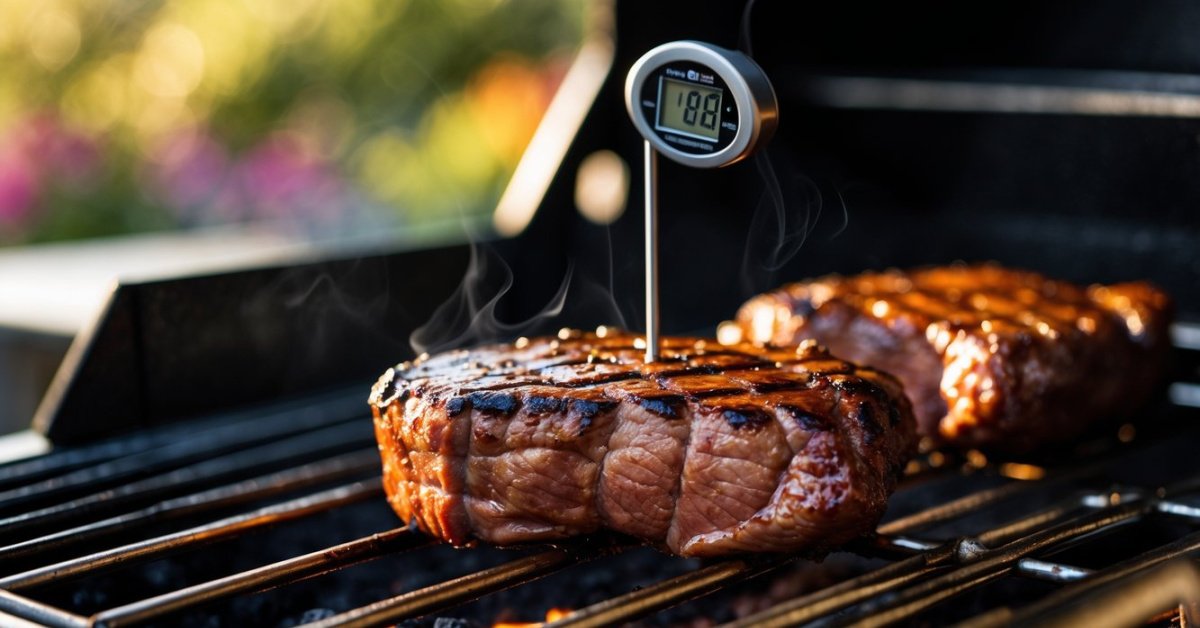
Nothing beats the thrill of grilling ribs and getting that perfect smoky flavor. But I’ve learned the real secret isn’t just in the rub or the sauce—it’s in nailing the temperature every single time. That’s where the right thermometer makes all the difference.
I used to guess if my ribs were done by sight or touch, but that led to more misses than hits. Once I started using a good thermometer, my grilling game changed completely. If you want juicy ribs with just the right tenderness, picking the right tool matters. Let’s talk about what to look for so you can grill with confidence and serve up ribs everyone will remember.
Why a Good Thermometer Matters for Grilling Ribs
Reliable thermometers keep temp readings accurate through hours on the grill. Ribs need a stable temperature to get tender—usually in the 190–205°F internal range. Without an accurate thermometer, it’s easy to overcook or undercook them.
Consistent results depend on hitting precise temps every time. I’ve tested cheap dial thermometers that read low by 20°F compared to a digital probe. That kind of difference means dry ribs or raw spots. Professional-grade thermometers from brands like ThermoWorks or ThermoPro keep a 1–2°F margin of error, which makes a big difference for juicy results.
Food safety links directly to knowing the exact internal temperature. The USDA considers 145°F safe for pork, but ribs reach peak texture between 190–205°F. Good thermometers take the guesswork out of when ribs finish cooking, lowering the risk of underdone meat.
Trustworthy thermometers offer peace of mind when experimenting. Changing up smoker temps, rib size, or wood type always alters cook times. I rely on a quality thermometer to keep results predictable, whether I’m following a new Texas-style recipe or pushing my own spice blend.
Types of Thermometers for Grilling
Using dependable thermometers lets me serve ribs with the exact doneness I aim for. Thermometers come in a few primary types, each suited to different grilling setups and preferences.
Instant-Read Thermometers
Instant-read thermometers display the internal temperature of ribs within 2 to 5 seconds after inserting the probe. I use these thermometers when I want to check doneness fast while keeping the lid closed as much as possible. Digital models, like the ThermoWorks Thermapen ONE, return results in about 1 second for pork ribs, brisket, or chicken halves. Analog instant-read thermometers exist but generally respond slower and aren’t as accurate in my experience. The best ones feature an easy-to-clean, waterproof body and a tapered probe that slides in and out of rib meat cleanly.
Leave-In Probe Thermometers
Leave-in probe thermometers monitor meat temperature continuously throughout the cook. I insert the probe at the thickest part of the rib slab and read the display from outside the grill without opening the lid. Most models use a wired probe attached to an external digital display, which handles high-heat environments typical when I’m smoking ribs at 225–275°F. Reliable leave-in probes, like the ThermoWorks DOT or the Inkbird IBT-2X, display real-time data and sound alarms if the temp strays above or below set points. Keeping the probe cable away from direct flames prevents damage.
Wireless and Smart Thermometers
Wireless and smart thermometers use Bluetooth or Wi-Fi to send real-time readings to my smartphone or tablet. These devices usually include multiple probes, so I can monitor both the grill’s ambient temperature and several racks of ribs at once. Models like the MEATER+ and FireBoard 2 provide graphs, cook history, and remote alerts while I’m tending to side dishes or prepping dessert. Battery-powered smart thermometers eliminate the need for wires; I insert the probe and track everything from the app, even if I’m across the yard from my smoker. Wireless units excel during long smokes where I don’t want to open the grill unless I must.
| Thermometer Type | Response Time | Use Case Example | Key Benefit |
|---|---|---|---|
| Instant-Read | 2–5 seconds | Spot-checking doneness | Quick, portable readings |
| Leave-In Probe | Continuous | Smoking multiple racks | Real-time monitoring |
| Wireless/Smart | Continuous | Large gatherings, remote | Remote graphs and alerts |
Key Features to Consider When Choosing a Thermometer
From years of grilling ribs at my Texas food cart and in my backyard, I’ve learned the right thermometer can turn decent ribs into true competition-worthy barbecue. These features separate a good thermometer from one that just takes up space in the drawer.
Accuracy and Speed
Accurate, fast readings save ribs from drying out. I look for thermometers with ±1–2°F accuracy, since ribs hit their juicy sweet spot between 190–205°F. For speed, I favor instant-read models that show results within 2–3 seconds. Slow dial thermometers or models with a lag give inconsistent results, especially when you’re juggling multiple racks.
Temperature Range
A wide temperature range accommodates rib cooks on smokers, offsets, or hot grills. My favorite digital thermometers cover 32–572°F, working just as well for cold smoking as for high-heat searing. Models limited to narrow pork or poultry presets can’t handle the temp swings needed for ribs or multi-stage cooks.
Durability and Build Quality
Durable thermometers save headaches when grilling outdoors. I pick models with waterproof or splash-proof ratings, like IPX7 or at least IP65. Stainless steel probes stand up to repeated use and cleaning. Plastic housings should resist heat in case they touch the grill. Cheap, flimsy builds crack after a season, even with gentle handling.
Display and Ease of Use
Readable, backlit displays help when grilling after sunset or in bright Texas sun. I prefer units with big numbers and an auto-rotate feature for both left- and right-handed use. Simple controls, like a single on/off button and instant temp hold, speed up checks during busy cooks. If the screen washes out or buttons get greasy and sticky, checking rib temps becomes a chore instead of a quick audit.
Top Thermometer Recommendations for Grilling Ribs
ThermoWorks Thermapen ONE
I rely on the Thermapen ONE for instant reads when grilling ribs. It shows temperatures in about 1 second with ±0.5°F accuracy. Its auto-rotating display and backlight make it easy to see, even in bright Texas sun. I prefer this thermometer for checking ribs quickly without losing grill heat.
MEATER Plus Wireless Smart Meat Thermometer
I go for the MEATER Plus when I need to monitor ribs wirelessly. It tracks both internal meat and ambient grill temps, sending updates to my phone as I mingle with guests. It works without wires, lasts about 24 hours per charge, and handles multiple racks easily. I use it when space around ribs is tight and opening the lid isn’t an option.
ThermoPro TP20 Wireless Meat Thermometer
I reach for the ThermoPro TP20 for hands-off grilling of ribs. Its dual probes let me track two racks at once from 300 feet away with a dedicated handheld receiver—no Wi-Fi needed. I value the preset USDA-safe temp alarms that help avoid overcooking, especially when trying out new rib rub recipes.
Lavatools Javelin PRO Duo
I pick up the Javelin PRO Duo for a fast and budget-friendly check. It gives readings in 2-3 seconds, boasts ±0.9°F accuracy, and its splash-proof body is tough enough for backyard grilling sessions. The large, easy-to-read display is handy for quick glances while multitasking with sides.
Maverick ET-733 Long Range Wireless Thermometer
I count on the Maverick ET-733 for long cooks or when grilling many racks. With two probes and a 300-foot range, I track grill and meat temps without hovering. I use this one for group gatherings where getting distracted is easy. Its straightforward setup fits my no-fuss grilling style.
| Thermometer | Type | Response Time | Accuracy | Wireless | Unique Features |
|---|---|---|---|---|---|
| ThermoWorks Thermapen ONE | Instant-read | ~1 second | ±0.5°F | No | Auto-rotating display, backlit screen |
| MEATER Plus | Smart/Wireless | N/A | ±1°F | Yes | Dual sensors, app notifications |
| ThermoPro TP20 | Wireless | Probe-based | ±1.8°F | Yes | USDA presets, dual probes |
| Lavatools Javelin PRO Duo | Instant-read | 2-3 seconds | ±0.9°F | No | Magnetic back, anti-fog display |
| Maverick ET-733 | Wireless | Probe-based | ±1.8°F | Yes | Long range, high-temp alarms |
These models help me get reliable results for ribs on every cook, whether I’m serving neighbors or perfecting another Texas-inspired recipe. Each thermometer consistently delivers precision and convenience to match different grill setups and rib styles.
Tips for Using Your Thermometer Effectively
- Calibrate before cooking
I check my thermometer’s accuracy before each rib session by filling a cup with ice water, inserting the probe, and verifying it reads 32°F. If readings are off, consistent calibration keeps measurements true.
- Insert at the thickest point
I always push the probe into the thickest section of the rib slab, keeping away from any bones. Bones conduct more heat than meat, skewing temperature readings upward.
- Avoid constant checking
I limit lid opening and minimize probe removal during cooks, especially with leave-in models. Frequent checking drops grill temperature and leads to inconsistent results.
- Clean between uses
I clean my thermometer probe after every use, especially when switching between different meats. This habit prevents cross-contamination and ensures accurate reading surfaces.
- Read from multiple spots
I usually spot-check the thick and thin ends of each rib rack. Temperature can vary several degrees across a single rack—checking both avoids surprises.
- Allow for carryover cooking
I remove ribs once readings hit the low end of my preferred range (usually around 190°F), knowing they’ll rise several degrees while resting. This step keeps ribs moist and avoids overcooking.
- Monitor ambient grill temperature
I use thermometers with ambient probes or keep a secondary grill thermometer inside the cooker. Maintaining even grill temps protects ribs from sudden hot spots during longer cooks.
- Store the thermometer carefully
I always store probes and units in a dry, safe spot. Heat, moisture, and bumps can throw off sensitive electronics or crack displays.
Experience with a variety of thermometers and careful handling makes rib grilling more consistent and enjoyable, whether working with instant-read, wireless, or probe models.
Conclusion
Grilling ribs has become way more enjoyable and stress-free since I started using the right thermometer. I love knowing that every rack I pull off the grill will be juicy and tender instead of a guessing game. With so many reliable options out there it’s easy to find the perfect fit for your grilling style and budget.
Having the right thermometer by my side gives me the confidence to try new techniques and flavors. If you’re serious about great ribs investing in a quality thermometer is a simple upgrade that pays off every time you fire up the grill.


