
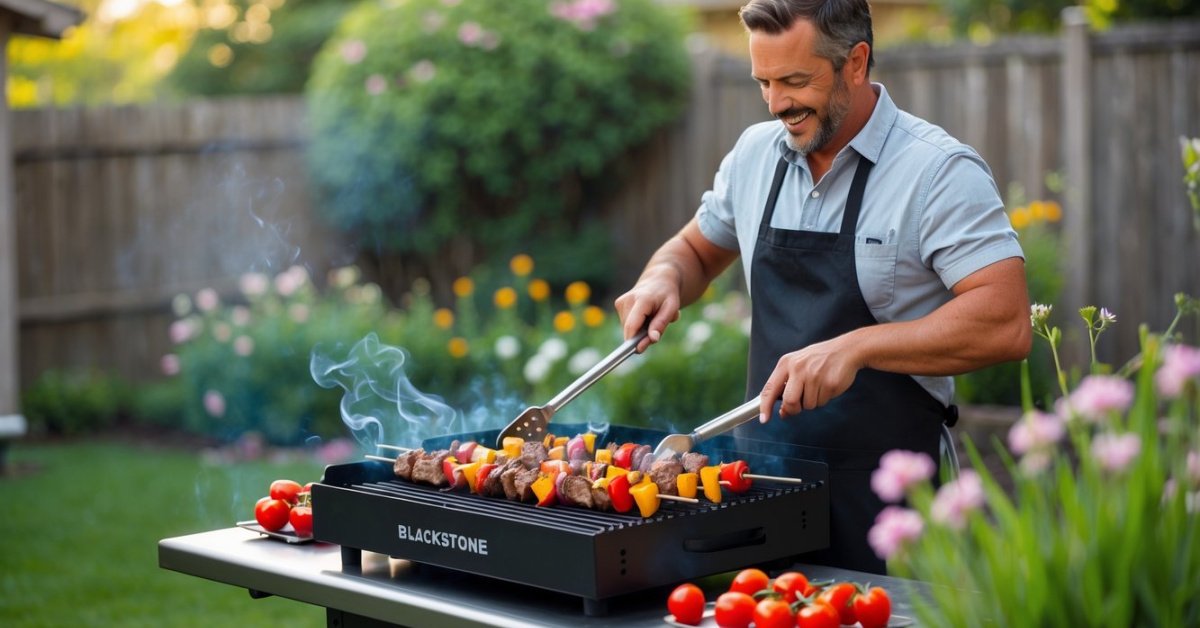
There’s nothing like the smell of chicken sizzling on the grill. I love the sound of those juices hitting the flames and the promise of a delicious meal shared with friends or family. But I know that getting chicken just right isn’t only about flavor—it’s about making sure it’s safe to eat too.
Grilling chicken can be tricky since it’s easy to end up with meat that’s either undercooked or dry. I’ve learned that hitting the perfect temperature makes all the difference. When I get it right I know everyone can dig in without worry. Let’s make sure every bite is as safe as it is tasty.
Why Grilling Chicken to Safe Temperatures Matters
Grilling chicken to safe temperatures keeps harmful bacteria like Salmonella and Campylobacter from surviving in the meat. These bacteria cause foodborne illnesses that can result in symptoms such as nausea, vomiting, and fever after eating undercooked chicken. Only when I track and confirm that chicken hits 165°F (74°C) with a reliable grilling thermometer do I know it’s reached a safe level.
Protecting the flavor and texture of grilled chicken depends on hitting the right temperature. Undercooked chicken stays rubbery and unsafe, while overcooked chicken dries out and loses juiciness. I’ve tested dozens of grilling thermometers, from instant-read digital probes to leave-in wireless models, to find those that pinpoint exactly when chicken is both safe and perfectly done.
Grilling thermometers deliver consistency for backyard barbecues and busy family meals. Using a thermometer lets me avoid guessing or cutting into the meat to check doneness, which releases flavorful juices. Whether I’m cooking drumsticks, thighs, or boneless breasts, a quality thermometer ensures everyone enjoys chicken cooked to the safest, tastiest, moistest result possible.
Understanding Safe Chicken Temperatures
Grilling chicken safely depends on knowing the correct internal temperature every single time. Accurate readings with a grilling thermometer give me peace of mind at every cookout.
USDA Recommendations for Cooked Chicken
USDA guidelines set the safe minimum internal temperature for cooked chicken at 165°F (74°C) (source: USDA Food Safety and Inspection Service). I always insert a bbq thermometer into the thickest part of the breast or thigh without touching bone, since this spot heats the slowest. All cuts—breasts, thighs, wings, and drumsticks—reach their best texture and safety at this temperature.
Risks of Undercooked and Overcooked Chicken
Food safety depends on reaching that 165°F mark, since bacteria such as Salmonella and Campylobacter don’t survive above this temperature. I’ve seen folks serve chicken that looked brown outside but still ran pink juices inside—an easy way to get someone sick. Undercooked chicken increases the risk of foodborne illness, while overcooked meat becomes dry and tough, ruining all that prep work. My thermometers let me nail the temperature for juicy, perfectly done bbq every time.
Tools You Need for Grilling Chicken Safely
Grilling chicken safely comes down to having the right tools in your arsenal. I never start a bbq session without these essentials at arm’s reach when I want juicy chicken and peace of mind.
Choosing the Right Meat Thermometer
Finding an accurate meat thermometer changed my bbq game. Digital instant-read thermometers work best for quick temp checks—my go-to brands like ThermoWorks Thermapen and Lavatools Javelin give a reading in 2-3 seconds. Probe thermometers with leave-in options—like the Weber iGrill or MEATER—come in handy when I’m smoking a whole chicken or managing multiple cuts. Analog dial thermometers still pop up in outdoor stores, but digital models consistently give me faster and more precise results.
| Thermometer Type | Example | Response Time | Best Use |
|---|---|---|---|
| Digital Instant-Read | Thermapen, Javelin | 2-3 seconds | Quick spot checks |
| Leave-in Probe | Weber iGrill, MEATER | Continuous | Long cooks, whole birds |
| Analog Dial | Taylor Precision | 20+ seconds | Backup, slower accuracy |
Other Helpful Grilling Equipment
Grill tongs, like my trusty 16-inch stainless steel Oxo set, let me flip chicken pieces without piercing the meat so juices stay locked in. Sturdy grill gloves protect my hands, especially when repositioning hot grates or handling foil packs. I use a wire grill brush after every cook to keep grates clean—residue affects flavor and heat consistency. Aluminum foil and disposable drip trays catch drippings, making cleanup faster and minimizing flare-ups. A grill basket or grate mat helps when I do smaller cuts, like chicken wings or tenders, so nothing slips through the grates.
These basic grilling tools make grilling chicken safer and help achieve consistent results every time.
Step-by-Step Guide to Grilling Chicken to Safe Temperatures Every Time
Grilling chicken turns out consistently safe and delicious when I follow a clear process. These steps use grilling thermometers for reliable results, just like I did on my Texas food cart and at home.
Preparing the Chicken for the Grill
Proper prepping helps chicken cook evenly on the grill.
- Patting the chicken dry with paper towels stops excess moisture from creating steam.
- Brushing on oil or marinade—especially over breasts, thighs, and wings—prevents sticking and locks in flavor.
- Trimming extra fat or hanging skin from drumsticks, thighs, or wings keeps flare-ups down.
- Letting the chicken rest outside the fridge for 15-30 minutes evens out the internal temperature before grilling.
Consistent prep leads to more accurate thermometer readings and fewer hot or cold spots when grilling chicken.
Monitoring Internal Temperature While Grilling
Tracking internal temperature using reliable thermometers guarantees safe chicken every time.
- Inserting an instant-read digital thermometer into the thickest part of the meat (avoiding bone) measures the core temp.
- Using a leave-in probe thermometer tracks the chicken temp constantly without lifting the lid, speeding up cook time by reducing heat loss.
- Moving pieces around the grill, especially when using both direct and indirect heat, counters uneven heat zones.
I grill every chicken part—breasts, thighs, wings, and drumsticks—until my thermometer reads at least 165°F (74°C) per USDA guidelines.
Example Internal Temperatures Table
| Chicken Part | Safe Internal Temp (°F) | Probe Insertion Area | My Thermometer Used |
|---|---|---|---|
| Breast | 165 | Thickest center, no bone | ThermoWorks Thermapen ONE |
| Thigh | 165 | Deepest center by bone | ThermoPro TP20 |
| Wing | 165 | Meatiest midsection | Lavatools Javelin |
| Drumstick | 165 | Thickest part by bone | ThermoWorks Thermapen ONE |
Resting and Serving Your Chicken Safely
Letting grilled chicken rest after cooking keeps juices inside and ensures a safe final temp.
- Resting pieces for 5 minutes lets the temperature stabilize and juices redistribute across the meat.
- Using clean tongs or gloves to transfer chicken to the serving platter avoids cross-contamination.
- Slicing into the meat after resting confirms it’s juicy with no pink interior near the bone.
I always serve chicken right after resting to keep it safe, hot, and flavorful. Using thermometers throughout the process takes the guesswork out of grilling, giving me confidence at every barbecue.
Common Mistakes to Avoid When Grilling Chicken
- Skipping the Thermometer:
Ignoring a grilling thermometer often results in unevenly cooked chicken. I see beginners trust color or timing, but chicken breasts, thighs, and wings (examples of common cuts) don’t always change color at the same rate. Digital instant-read models like the ThermoWorks Thermapen ONE or leave-in probes such as the Maverick ET-733 guarantee accuracy by displaying real-time internal temperature.
- Guessing the Safe Temperature:
Thinking chicken’s done when it “looks” ready lets bacteria survive. My years running a Texas food cart taught me that only 165°F (74°C), verified at the thickest part, ensures safety from Salmonella or Campylobacter.
- Cutting Chicken to Check Doneness:
Slicing into the meat to check if it’s pink inside releases all the juices, making grilled chicken dry. I poke the thermometer into the center without cutting so moisture stays locked in.
- Cooking at High Heat Only:
Using high heat throughout gives beautiful grill marks but undercooks thicker pieces or dries out thinner ones. I start with high temperature for searing, then move to indirect heat for even cooking—especially for bone-in drumsticks or whole legs.
- Neglecting Rest Time After Grilling:
Serving chicken straight from the grill lets juices run out. I always let pieces rest for at least 5 minutes so moisture redistributes and final internal temperature stabilizes.
- Reusing Tools without Washing:
Moving cooked chicken with the same tongs or platter used for raw meat spreads bacteria. I swap out utensils or wash them before serving—my go-to habit at both backyard cookouts and the food cart.
- Trusting Built-In Grill Thermometers:
Dome thermometers show air temperature above the grates, not inside the food. My best results come from trusting a reliable digital meat thermometer inserted right into the chicken.
- Not Calibrating Thermometers:
Old or uncalibrated thermometers show false readings—sometimes off by as much as 20°F. I check accuracy in ice water (32°F/0°C) and boiling water (212°F/100°C) at the start of every grilling season.
Paying attention to these details transforms both food safety and flavor, whether grilling a skinless chicken breast or a whole spatchcocked bird.
Conclusion
Grilling chicken is one of my favorite ways to bring people together and enjoy a delicious meal outdoors. By keeping safety at the top of my mind and using the right tools, I can serve up chicken that’s juicy, flavorful, and safe every single time.
With a little practice and attention to detail, grilling chicken to the perfect temperature becomes second nature. There’s nothing better than sharing a meal I know is both tasty and safe for everyone at the table.


