
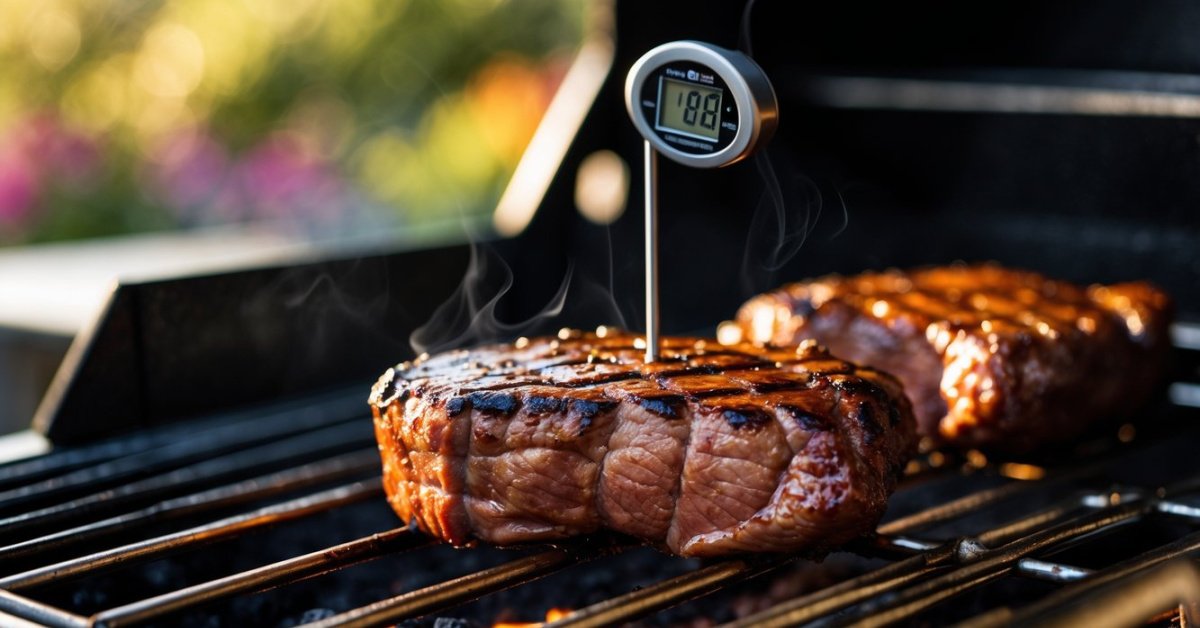
Grilling kebabs always feels like a mini celebration in my backyard. The sizzle of meat and veggies over the flames is pure summer joy but getting them cooked just right can be tricky. I’ve learned the hard way that guessing the doneness usually leads to dry chicken or undercooked steak.
That’s where a good thermometer changes everything. With so many options out there I wanted to figure out which ones actually make grilling kebabs easier and tastier. If you’re aiming for perfectly cooked skewers every time you’ll want to know which thermometer deserves a spot next to your grill.
Why Accurate Temperature Matters When Grilling Kebabs
Accurate temperature measurement keeps kebabs juicy, safe, and evenly cooked. Every protein type—chicken, steak, seafood, or lamb—needs specific internal temps for the right texture and safety level. Undercooked chicken stays risky for harmful bacteria like Salmonella, according to USDA guidelines requiring 165°F (74°C). Overcooked steak or shrimp turns tough and dry, losing flavor and that sought-after tenderness.
Even heat distribution helps kebab pieces cook at the same rate. Skewered cuts often vary in size—like onion chunks, bell peppers, or cubes of pork. When I monitor temps with a good thermometer, I catch any cool or hot spots fast. That way, no piece ends up raw or overcooked while others are perfect.
Consistent, accurate readings let me pull skewers at peak doneness. Sudden grill flare-ups or wind can mess with surface temps. Relying on color or cook times alone just can’t match the accuracy of a proper probe in the thickest part of the protein. This method’s given me more 5-star kebab batches than any guesswork ever did.
Types Of Thermometers For Grilling Kebabs
Choosing the right thermometer for kebabs changes the game when grilling proteins of different sizes. Over years of testing every style on skewers, I’ve found that thermometer type impacts speed, accuracy, and ease of use.
Instant-Read Thermometers
Instant-read thermometers check kebab doneness by delivering a quick, accurate internal temperature. Most instant-reads use a digital or dial face, with digital models like the ThermoWorks Thermapen One or Lavatools Javelin giving a precise reading in under 3 seconds. I use instant-reads for chicken or shrimp kebabs—probe each piece on the skewer to confirm all reach target temps. Their slim probe slides cleanly into dense steak pieces, reducing juice loss. Short reading time means I can test several proteins back-to-back without letting heat escape from the grill.
Probe Thermometers
Probe thermometers monitor kebabs with a metal probe that stays inserted during grilling. Most probe models come with a heat-resistant wire connecting to a digital display, examples include the ThermoPro TP-16 or Taylor 1470. I rely on probe thermometers for mixed-protein skewers or when managing indirect heat setups. The continuous tracking displays temps in real time, alerting when chicken or pork hits the safety zone. Some probes handle multiple channels, which works well for bigger grills where I’m juggling shrimp on one side, beef on the other.
Wireless And Bluetooth Thermometers
Wireless and Bluetooth thermometers offer remote monitoring by sending temperature updates to a receiver or app. Brands like Meater Plus or Inkbird IBT-4XS let me track up to 4 probes at once on my phone, sharing data like average temp, graphing changes, and setting multiple alerts. I test these during large cookouts or when prepping other sides away from the grill. Wireless tracking lets me walk around the backyard while still making sure kebabs stay in the perfect range for juicy results. This type works best on longer cooks or for multitasking sessions, connecting grilling and convenience seamlessly.
Key Features To Consider When Comparing Thermometers
Choosing the right thermometer plays a big role in grilling kebabs that hit the sweet spot between juicy and safe. I’ve tested dozens through years of backyard cooks and those long Texas bbq nights, and a few key features stand out every time.
Accuracy And Speed
Accurate and fast thermometers give the best grilling results for kebabs. I look for thermometers with ±1°F accuracy—brands like ThermoWorks Thermapen or Lavatools Javelin fit the bill. Fast models deliver readings in 2–3 seconds, which keeps me from overcooking delicate ingredients like shrimp or mushrooms. Slow readouts mean the grill lid stays open too long and heat escapes, which can affect doneness.
Durability And Heat Resistance
Durable and heat-resistant thermometers stand up to the constant action at the grill. Stainless steel probes and high-temp housings withstand flare-ups and repeated use. Models rated above 500°F, such as the ThermoPro TP19, handle direct contact and frequent insertion without warping or breaking. I never pick plastic-bodied thermometers for open-flame grilling, since they tend to crack or melt under real bbq conditions.
Ease Of Use And Cleaning
Easy-to-use and simple-to-clean thermometers keep kebab grilling low-stress. Backlit digital displays help with late-night grilling. One-handed operation and big buttons make them practical even when I’m rotating skewers. Waterproof and dishwasher-safe options, like the OXO Good Grips digital thermometer, simplify cleanup after marinated chicken or lamb juices drip everywhere. Detachable probes or seamless designs prevent grease buildup in seams, so I spend less time scrubbing and more time grilling.
Pros And Cons Of Popular Thermometers For Grilling Kebabs
Comparing different grilling thermometers helps me dial in the best tools for juicy, perfectly cooked kebabs every time. Each type offers unique strengths and trade-offs, so I test a mix of models for every grill-out.
Best Budget Options
Budget-friendly thermometers give reliable readings without hefty price tags. I’ve found these models handy for backyard kebabs and quick grill sessions.
- Affordability: Entry-level options like the ThermoPro TP03 usually cost under $20 and still deliver reasonable accuracy, landing within ±2°F in most of my tests.
- Simplicity: Straightforward interfaces make single-button operation and quick probe insertion easy, helping me get results fast when checking various protein kebabs.
- Limited Features: Budget picks often lack backlit displays, waterproofing, or calibration, making them tougher to use at night or on rainy days.
- Speed Constraints: Many low-cost models read temperatures in 5-7 seconds, which sometimes slows me down when flipping skewers quickly on high heat.
Premium Models Compared
Premium thermometers raise the bar in accuracy, durability, and smart features. My food cart days taught me the value of these upgrades for consistent kebab quality.
- Precision: Devices like the Thermapen ONE provide ±0.5°F accuracy and near-instant results in 1 second, letting me catch the perfect finish on steak, chicken, or shrimp with confidence.
- Build Quality: Premium picks use waterproof casings, robust stainless probes, and heat-resilient electronics. Regular use and grill-side accidents don’t faze them—my Thermapen’s survived countless drops and splashes.
- Advanced Features: High-end options often introduce rotating displays, backlighting, Bluetooth connectivity, and multi-probe tracking. These additions let me oversee several skewers at once, log temps via smartphone, and keep grilling stress-free.
- Price Considerations: Cost ranges from $70 up to $200+ for smart wireless sets. If you’re only grilling kebabs occasionally, such investment may not pay off compared to quality mid-range models.
Comparing budget and premium grill thermometers ensures I choose the right tool for every kebab session—maximizing accuracy, efficiency, and flavor in every bite.
Tips For Getting The Best Results With Your Thermometer
Use Proper Probe Placement
I insert the probe into the thickest piece of the meat on each kebab, avoiding the skewer and any bones. For mixed kebabs, I test each protein—like chicken, steak, and shrimp—to make sure every piece reaches the right safe temperature.
Calibrate Before Grilling
I check thermometer accuracy with ice water (32°F) or boiling water (212°F, at sea level) before I start grilling. This quick check shows me if my device reads correctly, especially if it’s been bounced around in my BBQ kit bag.
Avoid Opening the Grill Too Often
I limit opening the lid as much as possible, since repeated peeking drops the grill temp and leads to uneven heat. With wireless or probe-style thermometers, I monitor temps without constant checking, which keeps cooking even.
Clean the Thermometer After Each Use
I always clean my thermometer probe with hot, soapy water or sanitizing wipes after every use. Residue from one protein—like raw chicken—can carry over to another, so cleaning prevents cross-contamination and keeps readings accurate.
Account for Carryover Cooking
I pull kebabs off the grill when they’re 2–3°F below the target internal temp, since they’ll rise as they rest on the plate. For example, I take chicken skewers off at 160°F so they reach 165°F as they finish.
Check Multiple Pieces for Accuracy
I test temps in several skewered meats—especially if I’ve mixed sizes or types on the skewers—because smaller or thinner pieces cook faster. This way, I prevent dry chicken or undercooked beef.
Keep Batteries and Extras On Hand
I store extra batteries for my digital thermometers in the grill kit. Nothing stalls a kebab cookout like a dead battery mid-session.
Rely on Consistent Technique
I use the same thermometer, placement method, and reading technique every session. Consistency lets me compare results across different types and brands, making it easier to identify which thermometers provide the most reliable readings for perfect kebabs.
Conclusion
Grilling kebabs has become a lot more enjoyable and stress-free for me since I started using the right thermometer for the job. With so many great options out there it’s easy to find a tool that fits your style and budget.
A little attention to temperature goes a long way toward juicy flavorful kebabs every time. I love knowing my food is both safe and perfectly cooked—and that peace of mind is worth every penny.


