
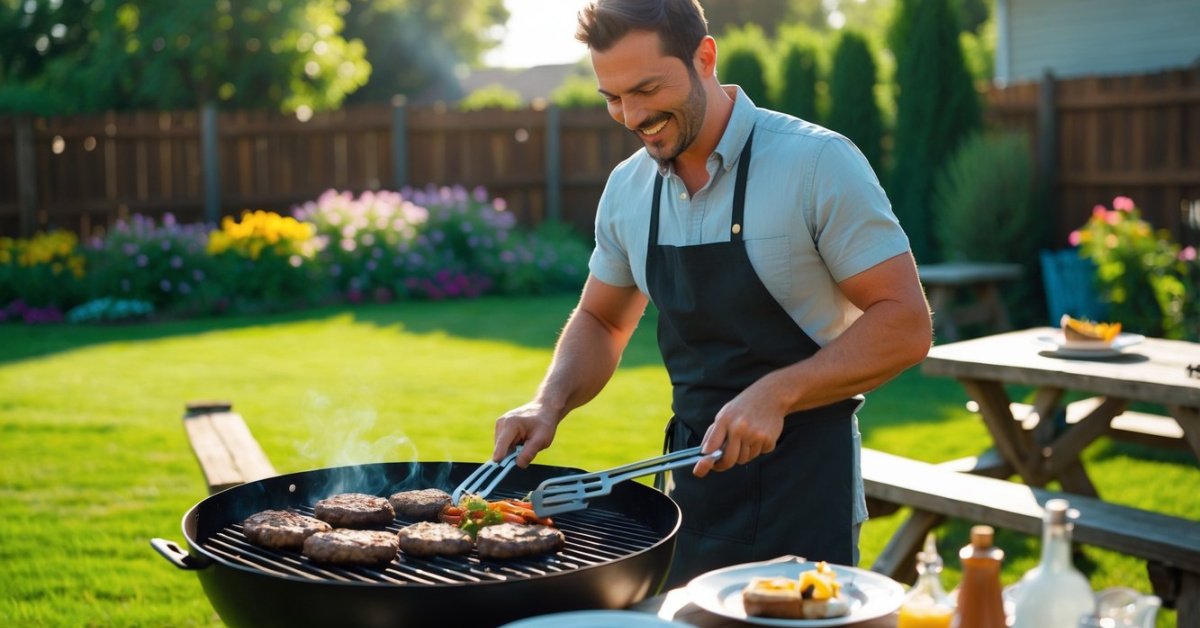
Grilling venison steaks always feels like a special treat. The rich flavor and lean texture make every bite memorable but getting the temperature just right can be tricky. I’ve learned that a few degrees can mean the difference between a juicy masterpiece and a dry disappointment.
I love the thrill of firing up the grill and knowing I’m about to enjoy something wild and delicious. With the right temperature guide it’s easy to bring out the best in venison and impress everyone at the table. Let’s make sure every steak turns out perfect—tender flavorful and cooked just the way you like it.
Understanding Venison Steaks
Grilling venison steaks always gets my attention because these cuts stand out for their lean meat and distinct, gamey flavor. I notice that each venison steak carries very little intramuscular fat, unlike beef ribeye or pork chops. These leaner proteins, like whitetail backstrap or mule deer medallions, require precise temperature management on the grill.
I find that venison steaks benefit from being cooked to a lower internal temperature, keeping the meat juicy. Because they dry out faster than most beef steaks, I rarely take my eyes off the thermometer when grilling them. That critical difference between medium-rare and medium can mean the difference between a tender bite and a tough one.
When I compare different cuts, I see that steaks cut from the loin, backstrap, or tenderloin give the best grilling results. These muscle groups are naturally tender and cook evenly over direct heat. I don’t often use a marinade for these cuts unless I’m after additional flavor, since the texture doesn’t need much help.
Steaks from the leg or shoulder, like round or blade steaks, contain more connective tissue. I recommend grilling those with extra care or choosing a slower cooking method to get them tender. Whenever I prepare venison for the grill, I pat the steaks dry and season them simply, letting the natural flavors shine.
Venison’s lean texture and deep taste make for a memorable grilling experience when combined with careful temperature control, especially with an accurate grilling thermometer. My experiments with digital meat thermometers and leave-in probes show that a few degrees in doneness make all the difference with this unique steak.
Key Factors Affecting Venison Grilling Temperature
Managing venison steak temperature starts with understanding how meat thickness and preparation influence doneness. I get consistent results by tracking these essential details every time I fire up the grill.
Meat Thickness and Cut
Meat thickness and venison steak cut directly impact grilling temperature accuracy. Thicker cuts like loin or backstrap, which often measure 1.5–2 inches, retain internal moisture better and require a slower, steady grill heat for even cooking. Thinner steaks under 1 inch, like some tenderloin medallions, cook rapidly and need close monitoring to avoid drying out. For tougher leg or shoulder cuts, I reserve low-and-slow methods off the grill since direct heat overcooks them too fast.
Starting Temperature and Resting Time
Starting temperature and resting time change venison grill outcomes. I pull steaks from the fridge 25–30 minutes before grilling to let the internal temperature even out close to room temp, which helps the meat cook through more predictably. I always rest grilled venison steaks for at least 5–7 minutes tented in foil so the internal temperature stabilizes and pushes the juices back into the meat. Accurate thermometer readings during and after grilling make the difference between juicy, tender bites and overcooked, dry steak.
Recommended Temperature Guide for Grilling Venison Steaks
Grilling venison steaks calls for precision with temperature since lean meat dries out quicker than fatty cuts. I always rely on an accurate thermometer for juicy results and consistent doneness.
Rare, Medium Rare, and Medium Targets
Temperature guides for venison steaks focus on proper doneness levels. I grill rare steaks to 120–125°F, which keeps the meat deep red and very tender. For medium rare, my target is 130–135°F; this range gives a warm, pink center without sacrificing moisture or flavor. When guests ask for medium, I make sure the steak’s internal temperature hits 140–145°F for a firmer bite and light pink coloring. Anything above 145°F turns venison dry—even small overages matter with game meats like this.
| Doneness | Target Internal Temperature (°F) | Color and Texture |
|---|---|---|
| Rare | 120–125 | Deep red, very tender |
| Medium Rare | 130–135 | Warm pink, juicy |
| Medium | 140–145 | Firm, light pink center |
Measuring Internal Temperature Accurately
Measuring venison steak’s internal temperature accurately matters more than with beef or pork. I always use a digital instant-read thermometer—it’s the fastest and most reliable tool in my kit. Insert the probe into the thickest part of the steak, away from the bone or exterior crust, for a true reading. If the steak measures a few degrees below the target, I remove it from the grill since carryover heat raises the temperature during resting. For every batch of venison, I recheck temps once more just before slicing to keep every cut juicy and perfect.
Tips for Achieving Perfectly Grilled Venison
Precision and attention to detail let me get the most out of lean venison steaks every time I fire up the grill. I rely on quality grilling thermometers and proper preparation to keep every steak juicy, flavorful, and cooked to the right doneness.
Preparing the Steak for the Grill
Patting venison steaks dry with paper towels gives a better sear and helps the surface brown evenly. I brush each steak lightly with high-smoke-point oil like avocado oil. Mixing coarse salt, cracked black pepper, and a hint of fresh herbs—think rosemary or thyme—shows off venison’s natural flavor. I always let steaks sit at room temperature for 25–30 minutes before grilling, since cold steaks won’t cook as evenly. If the cut has silverskin or excess fat, trimming those off helps the meat cook evenly and keeps bites tender.
Grilling Techniques and Equipment
I use a two-zone fire setup on my grill: one side hot for searing, one side cooler for finishing the steaks. Grilling steaks directly over high heat—about 500°F—creates a great crust in roughly 2–3 minutes per side, depending on thickness. For the most reliable results, I always use my favorite digital instant-read thermometer, placing the probe in the thickest part of the steak, away from the bone or fat. Rotating the steaks once during searing gives even grill marks.
After searing, I move the steaks to indirect heat to finish. I check internal temperature every minute once steaks near the target range—venison moves from rare to medium fast. Resting each steak on a wire rack for 5–7 minutes stabilizes the juices and makes for easier slicing. If you’re using a wireless smart thermometer, monitor temps in real time without opening the grill. For thicker steaks, I’ll reverse sear—starting them on indirect heat, then finishing direct over high heat for the crust. My go-to grills include high-quality charcoal kettles and ceramic kamado cookers, both of which hold steady temperatures for precise venison grilling.
Common Mistakes to Avoid
Overcooking the steaks
I see grillers push venison past 145°F, and that dries out the lean meat every time. Venison loses tenderness quickly above medium. I keep my thermometer handy and pull steaks at the right internal temperature.
Skipping the thermometer
Guessing the doneness rarely works with venison steaks. This lean meat cooks faster than beef and leaves little margin for error. I stick a digital instant-read thermometer straight into the thickest part of every steak for accuracy.
Not letting the steaks rest
Cutting into grilled venison right away pushes out the juices, resulting in dry steaks. I rest my steaks for at least 5–7 minutes on a warm platter before slicing. This stabilizes the temperature and helps keep every bite juicy.
Not drying and oiling the steaks
Grilling wet or un-oiled steaks results in a lack of sear and causes sticking. I always pat steaks completely dry with paper towels and lightly brush both sides with a high-smoke-point oil. This gives me that even, delicious sear.
Neglecting two-zone grilling
Cooking only over high heat chars the outside but leaves the inside undercooked. I set up a two-zone fire every time: one side for direct heat and one for finishing over indirect heat. This method helps manage temperature and finishes the steaks perfectly.
Using uneven or fluctuating heat
Uneven grill temps cook steaks inconsistently. I pick reliable grilling equipment and place my thermometer probe near the steaks, ensuring stable grill temperature throughout the cook. Consistent heat means even doneness from edge to center.
Conclusion
Grilling venison steaks is one of those experiences that always gets me excited to fire up the grill. When I pay close attention to temperature and take a few extra steps with prep and resting the meat I know I’ll end up with steaks that are juicy tender and full of rich flavor.
If you haven’t tried grilling venison before or you’ve struggled with dry results in the past I hope this guide gives you the confidence to give it another shot. With a little patience and the right tools you’ll be able to serve up perfectly cooked venison that’s sure to impress.


