
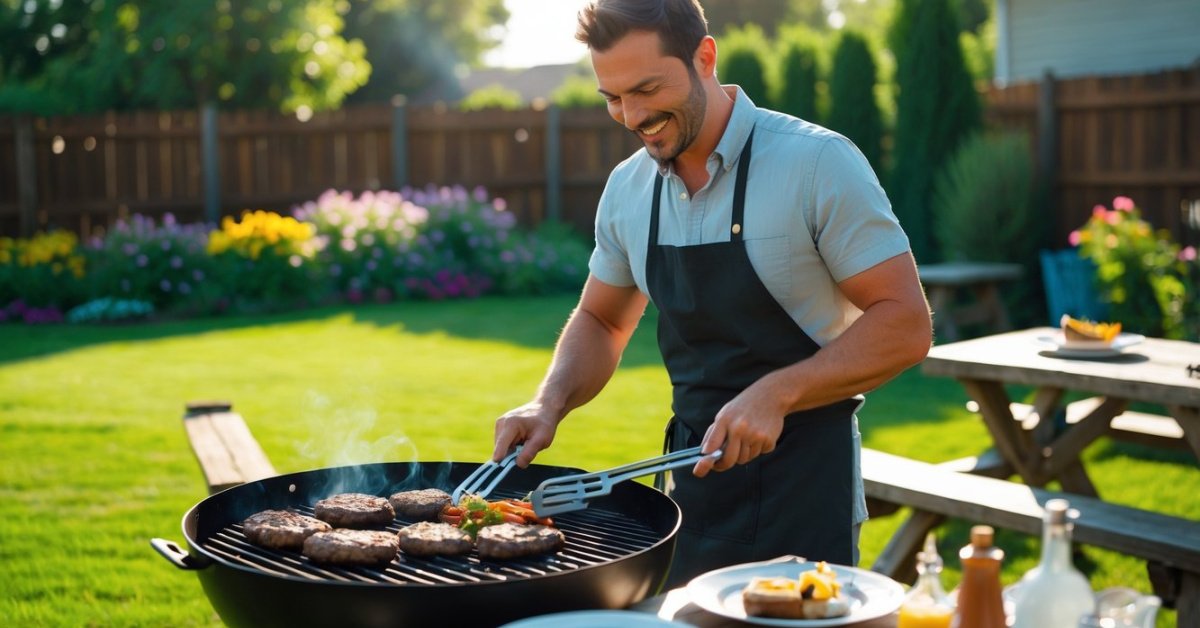
Whenever I fire up the grill for thin cuts of meat I know I’m in for a challenge. These quick-cooking pieces can go from juicy to overdone in a matter of seconds. I’ve ruined more than a few steaks by relying on guesswork or the old finger test.
That’s why I never grill without a trusty thermometer by my side. It takes the guesswork out and helps me get perfectly cooked meat every time. If you’ve ever struggled to nail that ideal doneness with thin cuts you’re not alone—and there’s an easier way.
Why Use a Thermometer for Thin Cuts of Meat
Grilling thin cuts of meat like skirt steak, pork chops, or chicken cutlets demands accuracy since these pieces cook in minutes and overcooking dries them out fast. I rely on a digital thermometer every time, since guessing by touch lacks reliability for thin meats—changes happen too quickly for visual cues or timing alone.
Each thin steak or chop reaches the perfect doneness only within a very narrow temperature window—typically a range of just 5°F. For example, hitting 130°F to 135°F means medium-rare beef, while going past 140°F leads to medium or even well-done.
Using a meat thermometer removes uncertainty and gives me the confidence to pull the meat exactly when it’s ready. I get juicy, flavorful results every single time, no matter how thinly sliced the cut. Precision keeps quick-cooking favorites—like grilled chicken tenders or minute steaks—from ending up tough or dry.
Thermometers guarantee consistent results, making them a must for anyone who grills frequently or wants to avoid ruined dinners and wasted ingredients. Whether I’m using a classic instant-read probe or a modern smart thermometer, I don’t have to gamble with thin cuts—delicious, barbecue-level doneness is a certainty.
Types of Thermometers Best Suited for Grilling
Accurate temperature readings make all the difference when grilling thin cuts of meat. I rely on two main types of thermometers that consistently deliver the precision and speed these quick-cooking pieces demand.
Instant-Read Thermometers
Instant-read thermometers offer rapid and accurate readings, which is essential for thin steaks, pork chops, or chicken cutlets. I use these to check doneness quickly since inserting the probe just a few seconds yields a reliable temperature. Models like the ThermoWorks Thermapen and the Lavatools Javelin provide readings in under 3 seconds, letting me avoid holding the grill open too long and losing heat. Small probes easily slide into thin meats, avoiding excess moisture loss or tearing the surface. Instant-read options cost between $15 and $90, depending on brand and speed.
Wireless and Bluetooth Thermometers
Wireless and Bluetooth thermometers allow me to monitor grill temperatures remotely, freeing me up to prep sides or handle other food. Brands like MEATER Plus and ThermoPro are known for their reliable wireless connectivity and temperature tracking, even for thinner meats that finish faster. These thermometers send alerts to my phone when meat hits the target temperature, helping avoid overcooking. Most models feature slim probes designed for thinner cuts, making them useful even for quick, high-heat grilling. Wireless thermometer prices range from $40 to $120, depending on connectivity features and app integration.
Step-by-Step Guide to Using a Thermometer on Thin Cuts
Grilling thin cuts with a thermometer brings out juiciness and flavor that guesswork can’t match. As someone who’s stood over a Texas pit with a dozen steaks sizzling, I’ve learned that a few simple steps guarantee perfect doneness, even for the trickiest thin meats.
Preparing the Meat
Patting thin meat like skirt steak or chicken cutlets completely dry before grilling keeps the exterior from steaming and ensures the thermometer reads accurately. Bringing meat to room temperature helps it cook evenly; cold meat straight from the fridge cooks too quickly on the outside and stays raw inside. Seasoning generously before grilling adds surface flavor and doesn’t impact thermometer accuracy.
Proper Placement of the Thermometer
Finding the thickest part of thin meat matters most when inserting a thermometer. I insert the probe horizontally through the side instead of poking straight down, which gives a reading from the midpoint and avoids measuring grates or the bottom edge. For cuts under 1 inch (like a thin pork chop), angling the probe tip to target the very center gives the best read—shoot for the section that’s least likely to overcook first.
Timing and Temperature Tips
Thin cuts like flank steak, boneless chicken, or pork cutlets hit doneness within 2-5 minutes per side. I start checking temps about halfway through cooking, since overcooking by even 1-2 minutes often dries out the meat. My target temps are 125°F for rare beef, 135°F for medium rare, and 145°F for pork or poultry (following USDA minimums). Removing meat a few degrees before the goal accounts for carryover cooking, which especially affects thinner pieces. Keeping the thermometer handy ensures I catch that ideal window, bite after bite.
Common Mistakes to Avoid
Missing core temperature when grilling thin cuts happens if I rely on visual cues or guessing. Thin pieces like skirt steak, chicken cutlets, or pork chops don’t give much warning before overcooking. Here are the most common mistakes I see:
- Poking the top instead of the side: Inserting the thermometer through the top can give a reading that’s off by as much as 10°F since it may not hit the thickest part. I always slide the probe through the side, aiming for the center.
- Checking too late: Waiting until the meat looks done means I’ve usually missed the narrow doneness window. I check the temperature halfway through my expected cooking time. For cuts under 1 inch thick, I check after 2 minutes per side.
- Using unreliable thermometers: Thermometers with slow response times or inconsistent accuracy, like generic or old dial models, often lead me astray. I stick to fast, digital instant-read thermometers from verified brands.
- Skipping calibration: Even digital thermometers drift over time. I test mine in ice water and boiling water every few months. Errors of just 2–3°F matter for a thin cut.
- Not factoring in carryover cooking: Meat keeps cooking after it leaves the grill. If I remove it at the target temperature, it usually overshoots by 3–5°F. I pull my steaks or chops about 5°F before my final goal.
- Confusing surface temperature with internal temperature: Searing can make the outside look cooked while the inside stays underdone. I only trust the thermometer’s reading at the thickest point.
Drawing on my experience from that Texas food cart, I’ve ruined plenty of thin steaks before learning these lessons. Consistent accuracy with a reliable digital thermometer makes thin-cut grilling easy and keeps every bite juicy.
Benefits of Accurate Temperature Readings
Accurate temperature readings safeguard thin cuts of meat, like skirt steak or chicken cutlets, from overcooking. Guesswork rarely delivers juicy results, while a precise digital thermometer catches that perfect doneness window—usually just a few degrees wide. Accurate readings turn fragile pork chops into tender, flavorful bites every time.
Accurate thermometers create consistency across cooks. I’ve noticed when I use my Thermapen, my ribeye and pork tenderloin finish perfectly medium-rare, no matter who’s watching the grill. Friends expect that same quality at my backyard BBQs, and I always deliver because my thermometer removes uncertainties.
Accurate readings streamline timing. Thin cuts grill fast—usually 2-5 minutes per side—so a few seconds matter. Thermometers like the MEATER Plus send real-time alerts, letting me pull the chicken breast off the heat right as it hits 163°F. That tiny margin often separates dry from juicy.
Accurate readings help avoid food safety risks, especially with poultry or pork. The FDA recommends 165°F for chicken and 145°F for pork. Reliable results minimize the chances of serving undercooked meat—something I kept front of mind back in my food cart days.
Consistent internal temperatures ensure better texture and flavor. When I hit that exact number, even thin pieces never get chewy or bland. That level of control makes mastering quick-cooking cuts simple, even for beginners wanting to grill like a pro.
Conclusion
Grilling thin cuts of meat used to feel like a gamble for me but using a thermometer changed everything. Now I can serve up juicy flavorful results without the stress or guesswork. If you love grilling as much as I do investing in a quality digital thermometer is a simple upgrade that pays off every time you fire up the grill. Happy grilling!


