
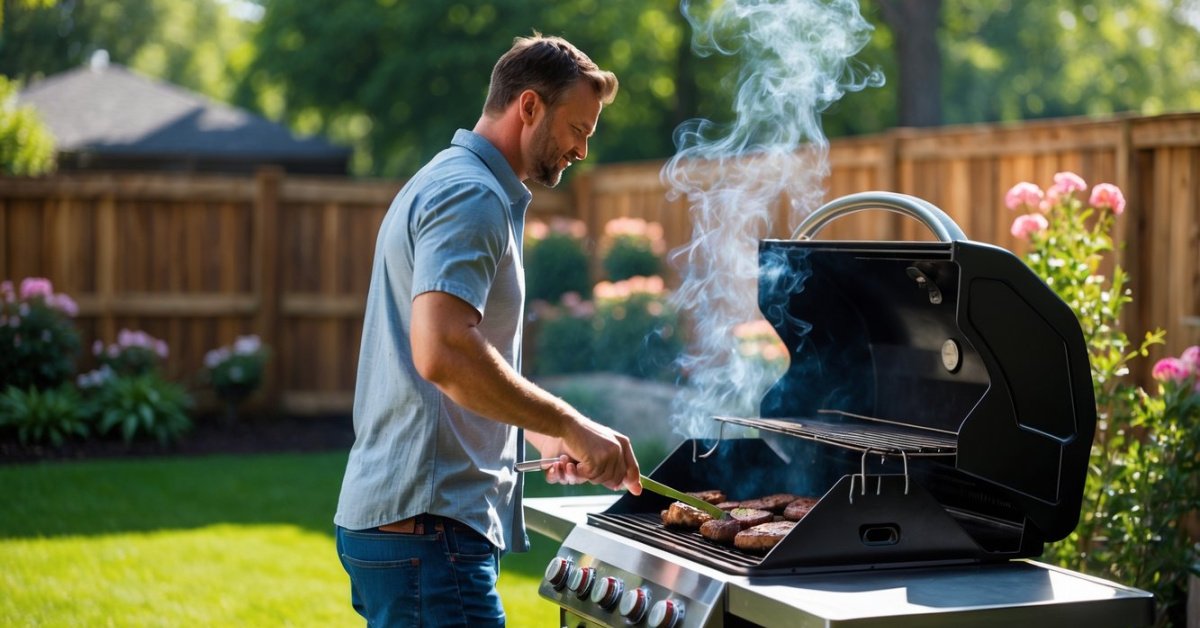
Grilling is one of my favorite ways to bring friends and family together but nothing ruins a cookout faster than overcooked or undercooked food. I’ve learned that a reliable thermometer is the secret weapon for perfect burgers steaks or chicken every time. The good news is you don’t need to spend a fortune to get one that does the job.
With so many options out there picking the right thermometer on a budget can feel overwhelming. I’ve been there—wondering if the cheapest one will work or if I need extra features. Let’s break down what really matters so you can grill with confidence and keep your wallet happy.
Why a Good Thermometer Matters for Grilling
Perfect doneness makes every grilled cut taste its best. I use a good thermometer to check that brisket or chicken stays out of the danger zone—below 140°F for more than 2 hours means bacteria can multiply, based on USDA food safety guidelines. Only a reliable thermometer shows a true 130°F medium-rare, a juicy 165°F chicken, or a steady 225°F smoker temp, so meat turns out both safe and flavorful every time.
Consistent results build trust in your cooking. I notice when one thermometer reads 15°F off, steaks dry out or ribs turn chewy. A quality grilling thermometer eliminates guesswork, cuts down recooking, and saves money by preventing wasted meat.
Quick readings reduce time with the lid open and keep grill heat constant. I reach for digital instant-read models for burgers or thinner cuts, so I avoid temp drops that mess with the cook. Fast, accurate readings mean more time spent eating, less time poking meat.
Affordability doesn’t mean you give up performance. After testing budget models head-to-head, I found options that hold up to weekend bbq marathons and Texas heat, giving confidence on any grilling budget.
Key Features to Look for in a Budget Grill Thermometer
When searching for a budget grill thermometer, I always focus on performance over flashy extras. These features make grilling more predictable, even when using affordable tools.
Accuracy and Response Time
Thermometer readings need to be accurate—plus or minus 2°F keeps steaks and brisket safe and tasty. Fast response times matter too. I prefer models that lock in a stable temperature in under 5 seconds. In my testing, digital instant-read thermometers like the ThermoPro TP03 and Lavatools Javelin both hit target temps quickly and precisely.
Temperature Range
A wide temperature range covers everything I grill, from smoked chicken at 225°F to pizza crust at 700°F. Most modern budget thermometers offer ranges from about 32°F to 572°F, which handles meat, bread, and even candy making. For reference, my favorite Texas-style brisket finishes at 203°F, while seared steaks climb closer to 500°F grill surface temperatures.
Ease of Use and Display
Clear, backlit displays let me check temperatures at night or when smoke fills the air. Large, simple buttons and straightforward controls speed up my checks so I don’t lose grill heat. Foldable probe designs, such as those found on several leading budget models, make for comfortable handling and quick storage while testing racks of ribs.
Durability and Build Quality
Grill thermometers need tough construction to handle heat, grease, and the occasional drop. I recommend thermometers with splash-proof or waterproof bodies, strong plastic cases, and stainless steel probes. Units rated IP65 or higher stand up to the chaos of weekend grilling, meaning they keep working long after cheaper models fail.
Types of Grill Thermometers to Consider
A grill thermometer shapes every cookout I do, but not every type fits every grill master or budget. I keep two main styles in my kit to cover most grilling situations and budgets.
Instant-Read Thermometers
Instant-read thermometers give almost immediate results, often in just 3-5 seconds. I use these for quick checks on burgers, steaks, or thin cuts where timing matters. For example, models like the ThermoPro TP03 and Lavatools Javelin offer clear digital displays and foldable probes. These run under $20 at most retailers and suit anyone grilling at home or experimenting with recipes in the backyard.
Probe and Wireless Thermometers
Probe and wireless thermometers handle larger or slower-cooked meats such as brisket or pork shoulder, which I cook often. These devices monitor internal meat temps without frequent lid openings, preserving consistent heat. Most budget models have wired probes that connect to a transmitter, while newer wireless options like the Inkbird IBT-4XS use Bluetooth to transmit to your phone. Budget options start near $30 and allow me to track temps from a distance, freeing up time to prep sides or mingle with guests.
Tips for Getting the Best Value
Budget grill thermometers offer solid performance if you know where to look. I’ve tested dozens of models during backyard sessions and cookouts, focusing on balancing durability, speed, and price.
Recommended Budget Brands and Models
ThermoPro TP03 brings fast readings and consistent accuracy for about $20—I’ve used it on everything from brisket to chicken thighs. Lavatools Javelin gives trustworthy results and fits easily in your apron pocket, usually under $25. Alpha Grillers Instant Read stands out for its waterproof build and large, backlit display, making night grilling a breeze. Kizen Instant Read keeps things simple and affordable, handling daily grilling without fuss. These brands all provide a wide temperature range, making them versatile across steaks, burgers, and smoked meats.
Where to Shop for Deals
Online shops like Amazon, Walmart, and Home Depot usually list these thermometers below retail pricing, especially during holiday sales or grilling season in spring and summer. I often find discounts or bundled deals with grill tools around Memorial Day and July 4th. Local restaurant supply stores in Texas sometimes clear out last season’s stock at a steep markdown. Signing up for email alerts from these retailers helps me catch flash deals or coupons on grilling accessories. Always check customer reviews and return policies before buying budget gear online to ensure consistent quality.
Common Mistakes to Avoid When Buying a Budget Thermometer
Overlooking Accuracy Claims
Accuracy matters in grilling thermometers, especially when working with steaks or briskets that need precise doneness. Many budget models list +/-2°F or more for accuracy, but I always check verified customer reviews and look for brands with a reputation for reliable readings like ThermoPro or Lavatools. Skipping this step can result in overcooked or unsafe food.
Ignoring Response Time
Slow response times make it hard to keep grill temps stable, especially if you’re checking multiple cuts. Instant-read thermometers worth buying show temps in 3-5 seconds. I avoid models taking longer than 8 seconds since they waste time and let heat escape with every lid lift.
Choosing the Cheapest Option
Ultra-low prices often mean flimsy construction or short lifespan. I’ve had bargain models with loose probes or buttons that fail after a month. Spending a few extra dollars on trusted brands leads to more grilling sessions without constant replacements.
Missing Water and Heat Resistance
Grilling outdoors exposes thermometers to rain, splashes, and high heat. I always pick models labeled “splashproof” or “heat resistant.” Cheaper options without these features end up with foggy screens or warped plastic, especially after a few summer cookouts.
Forgetting About Battery Type and Replacement
Many low-cost thermometers use odd lithium coin batteries that are tough to find. I look for models using AAA or AA batteries, since I keep extras around during long weekends grilling brisket or ribs.
Not Checking Warranty and Customer Support
Some budget thermometers come with just 30-day warranties with no support if issues arise. I prefer brands offering at least 1-year warranties and responsive customer service, like Alpha Grillers. This insurance has saved a few of my own thermometers that glitched after heavy use.
Neglecting Display Readability
Direct sunlight or smoke can make it hard to read some screens. I only buy thermometers with large backlit displays that I can see clearly day or night, no matter how smoky the pit gets. Skipping this consideration leads to guesswork—not something I want for a perfectly grilled brisket.
Buying Without Reading Recent Reviews
Thermometer models change often, with parts or suppliers varying from batch to batch. I always check recent reviews, looking for feedback on accuracy, responsiveness, and build quality before finalizing my pick. Ignoring this step risks getting an older or inconsistent version.
Conclusion
Finding the right thermometer for grilling doesn’t have to be stressful or expensive. I’ve learned that with a bit of research and a focus on what really matters you can get a trustworthy tool that fits your needs and your budget.
With so many choices out there you’ve got the power to pick a thermometer that’ll help you grill with confidence. Enjoy your next cookout knowing you’ve made a smart choice—your taste buds and your wallet will thank you.


