
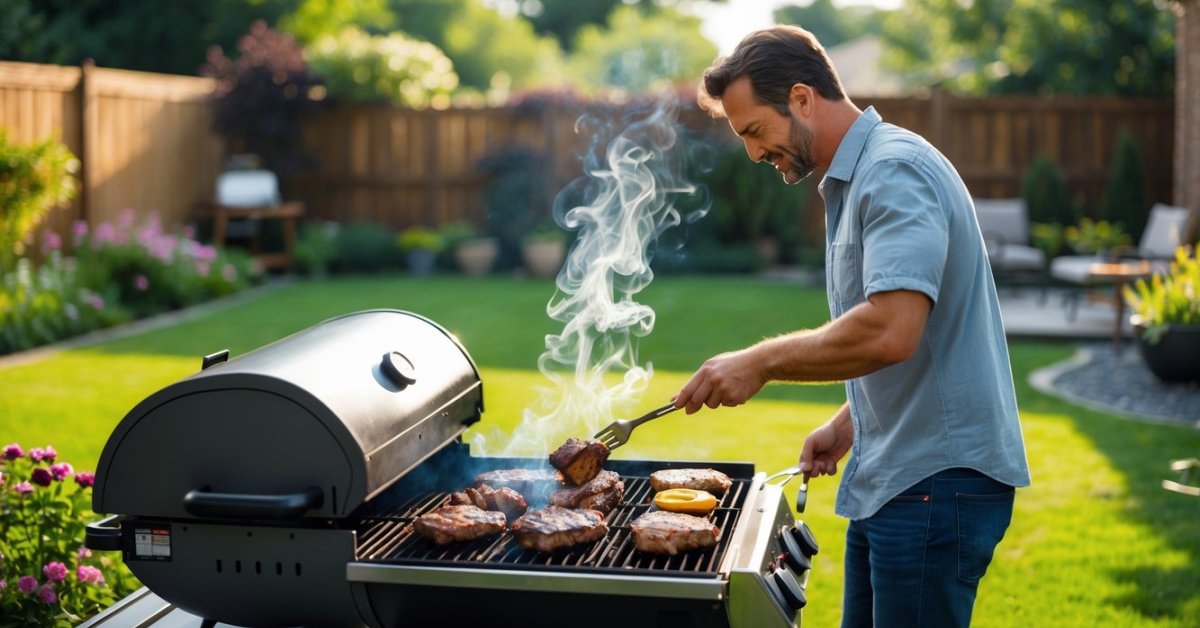
Whenever I fire up the grill I want my food to turn out just right. That perfect steak or juicy chicken often comes down to one small tool—a grilling thermometer. With so many options out there I’ve wondered if it’s really worth splurging on a premium model or if a budget thermometer can do the trick.
I’ve been curious about how much difference there really is between the two. Is it all about speed and accuracy or are there hidden perks that justify the extra cost? Let’s dive into what sets budget and premium grilling thermometers apart and see which one might be the best fit for your next cookout.
What Sets Budget and Premium Grilling Thermometers Apart
Design differences separate budget grilling thermometers from premium ones. Entry-level models usually use basic plastic builds and minimal waterproofing, while premium options like the Thermoworks Thermapen ONE and MEATER+ feature metal casings, reinforced probes, and splashproof or fully waterproof designs.
Measurement speed varies between the categories. Cheaper thermometers tend to show temperature readings in 5–10 seconds; for example, the ThermoPro TP03 takes about 6 seconds. Premium units, such as the ThermoWorks Thermapen ONE, display results in under 3 seconds.
Accuracy impacts food results directly. Budget models often list ±2°F accuracy when tested side by side, while higher-end thermometers offer ±0.7°F or better, matching NIST-traceable standards for scientific precision.
Feature sets in budget thermometers give basic readouts with fixed backlights and minimal user customization. Premium models introduce rotating displays, app connectivity, programmable alarms, dual or multi-probe setups, and recharging docks. For example, the MEATER+ links to phones and tracks multiple cooks at once.
Lifespan and warranty periods favor premium picks, which often come with 2–5-year warranties, compared to the typical 12-month coverage I see on economy choices. I’ve had basic models wear down after a busy season, while my premium thermometers last several years of weekly use.
Manufacturer support also differs. High-end brands provide live customer service, free updates, and calibration checks, which I’ve relied on for competition grilling. Budget suppliers usually limit support to email or online troubleshooting guides.
Battery type and power efficiency set models apart. Most budget thermometers run on replaceable coin cell batteries and drain quickly, while premium versions often use rechargeable lithium-ion cells lasting months between charges.
These distinctions make comparing grilling thermometer types straightforward if you look at materials, speed, accuracy, features, durability, support, and power options. Each factor shapes reliability in the heat of a Texas backyard or the quiet of a weekday dinner grill-up.
Key Features to Consider in Grilling Thermometers
When I’m picking grilling thermometers, I focus on features that shape real-world performance. Each element, from speed to durability, makes a difference out by the grill.
Accuracy and Response Time
Accuracy and response time set the tone for consistent grilling results. Accurate thermometers register temperatures within a narrow margin—premium models hit ±0.7°F, while budget ones stay closer to ±2°F. Faster response times, usually 2–3 seconds for high-end units and 5–10 seconds for cheaper models, let me check multiple pieces of meat quickly during busy BBQ sessions. Precise readings prevent overcooked brisket or underdone chicken, especially when managing heavier cuts.
Build Quality and Materials
Build quality and materials influence a thermometer’s ability to survive the rigors of grilling. I see budget thermometers using lightweight plastics, which often crack or warp after repeated exposure to heat and outdoor use. Premium units use stainless steel or aluminum casings, silicone gaskets, and reinforced probes—these choices stand up well to rain, grease, and the accidental drop onto pavement. Waterproofing, rated as IP65 or even higher, adds peace of mind when I’m deep in a barbecue rush.
Display and Usability
Display and usability affect how quickly I can check temps at a glance, especially at night or while juggling tools. Many premium thermometers include large, backlit LCDs or rotating displays, letting me view readings from almost any angle. Budget models stick with basic screens that can be hard to read in low light. Added usability features like auto-on/off, customizable alarms, and integrated magnet mounts mean less fiddling and more focus on food for me.
Range and Connectivity
Range and connectivity let me monitor meats without hovering over the grill the whole time. Wireless models in the premium range offer Bluetooth up to 165 ft and Wi-Fi features that connect with smartphone apps for real-time alerts, even when I step inside for sauce or prep. Budget units limit me to short cords or tiny built-in radios, which restrict freedom of movement and lack app compatibility. When I’m running a long cook, remote monitoring is just more practical.
Performance Comparison: Budget vs. Premium Options
Comparing grilling thermometers for actual cooking means looking beyond the box specs. I test both budget and premium options in high-heat BBQ sessions to see which ones really help nail perfect results.
Testing Temperature Precision
Precise readings make or break a steak or brisket. Premium grilling thermometers I’ve tested, like the ThermoWorks Thermapen ONE, consistently measure within ±0.7°F according to USDA-calibrated boiling and ice water tests. With budget thermometers, even top-rated models usually land in the ±2°F range, sometimes drifting by an extra degree or two during extended use. In practical BBQ terms, a 2-degree difference could mean leaving a thick-cut ribeye on just a minute too long, moving it from medium-rare to medium. I also find that premium models show readings in under 3 seconds; budget options take 5 to 10 seconds—long enough to lose heat opening the grill. For cooks who want exact doneness, that speed and accuracy shift matters every time.
Durability in Real-World Use
Grilling at cookouts and competitions in Texas taught me not all gear survives heavy use. Premium thermometers with stainless steel bodies and waterproof casings, examples like the Lavatools Javelin PRO, handle rain, grease, and basic drops without missing a beat after months of frequent use. In contrast, budget models with plastic housings get scratched, warped, or outright break after a few months of average backyard grilling. Even the budget units with rubber seals don’t survive repeated exposure to splashes and heat. When I worked long BBQ shifts, premium thermometers still ran smoothly week after week, while budget models often needed replacing by the next season. For anyone grilling more than a handful of times a year, build quality turns into a real investment.
Value for Money: Which Option Delivers More?
When I look at value for money in grilling thermometers, I focus on the total cost of ownership, the performance delivered per dollar, and the impact on my grilling experience.
- Initial investment gives a quick sense of affordability. Budget thermometers usually land in the $10–$20 range, for example, the Taylor Digital Pocket Thermometer or ThermoPro TP01A. Premium models, like the Thermapen ONE or MEATER Plus, cost anywhere from $70–$100+.
- Lifespan and durability shift the actual value over time. My premium thermometers often last 5+ years with heavy use, while budget options sometimes fail after a grilling season or two, especially when exposed to the Texas summer heat.
- Cost per use highlights real savings. Over 5 years, a $100 thermometer used 500 times costs 20¢ per use. A $20 thermometer replaced annually for the same usage jumps to $1 per use.
- Warranty and support make a difference. Brands like ThermoWorks give 2–5 years of coverage plus helpful live support and easy calibration. Most budget models offer a single year with a basic helpline or email form.
- Replacement parts and batteries matter for budget-minded grillers. Budget models drain replaceable AAA or CR2032 cells in a few months with frequent use, resulting in extra costs over time. Premium thermometers’ rechargeable batteries last longer between charges, offsetting higher upfront cost.
- Features versus price defines user satisfaction. My budget probes provide accurate temps under controlled conditions, but premium units deliver advanced features I use every week—like wireless connectivity for multitasking during long cooks or programmable alerts for precise doneness.
Here’s a quick cost comparison:
| Thermometer Type | Average Upfront Price | Estimated Lifespan (years) | Warranty (years) | Support Level | Cost Per Use (over 5 years, 500 uses) |
|---|---|---|---|---|---|
| Budget | $15 | 1–2 | 1 | Basic/email | $1.50–$3.00 |
| Premium | $90 | 5+ | 2–5 | Live/phone/chat | $0.18 |
Premium thermometers cost more initially but return greater value over time through reliability, advanced features, and support. Regular grillers who want precise results see meaningful savings and fewer headaches with a premium tool. Casual or occasional grillers may gain enough performance and savings from budget models—especially if grilling happens a few times each summer.
For my regular BBQ sessions, where I chase the perfect brisket or smoked pork shoulder, the added speed, accuracy, and peace of mind make premium models a smarter investment.
Who Should Choose Budget vs. Premium Grilling Thermometers
People get the most value from budget grilling thermometers in specific cases. I reach for a budget model when grilling occasionally, lending a backup thermometer to friends, or preparing simple foods like burgers and hot dogs a few times each summer. Budget thermometers, like the ThermoPro TP03 or CDN DTQ450X, cover the basics for under $20 if I just need to spot-check doneness and don’t mind waiting a few extra seconds for a temperature reading.
People with more demanding grilling habits benefit most from premium grilling thermometers. I use premium models, like the ThermoWorks Thermapen ONE or MEATER Plus, when slow-smoking brisket, working multiple cuts at once, or cooking for larger crowds. Premium models shine in these settings with their ±0.7°F accuracy, lightning-fast readings in under 3 seconds, and wireless monitoring that lets me manage temps on my phone while prepping sides. Smoked meats, reverse-seared steaks, or delicate fish call for this level of precision and reliability.
People who value durability or grill outdoors in all conditions also get more from premium thermometers. I’ve put stainless steel, waterproof models through Texas storms, spilled sauce, and even the chaos of weekend cookouts. Premium versions outlast the sun, rain, and repeated cleans, saving me time and hassle.
People needing advanced features—whether for wireless alerts, programmable temperature alarms, or two-zone monitoring—find these in premium options. My BBQ experiments often involve these extras, especially for complex recipes or competitions.
People committed to grilling as a hobby or who host frequent gatherings usually see better long-term savings with a premium thermometer, since the lifespan reaches beyond 5 years, support is stronger, and total cost per use drops with frequent use. For those grilling once a month or less and sticking to burgers or basic chicken cuts, I find a budget model does the job just fine.
Conclusion
Choosing between budget and premium grilling thermometers really comes down to how often I fire up the grill and what kind of cooking experience I want. I’ve found that investing in a higher-end model pays off when I need consistent results and peace of mind during big cookouts. But if I’m just flipping burgers on the weekends or need a backup, a budget thermometer gets the job done without breaking the bank.
No matter which route I take, using a thermometer always helps me serve up food that’s cooked just right. It’s all about picking the tool that fits my grilling style and making the most of every BBQ.


