
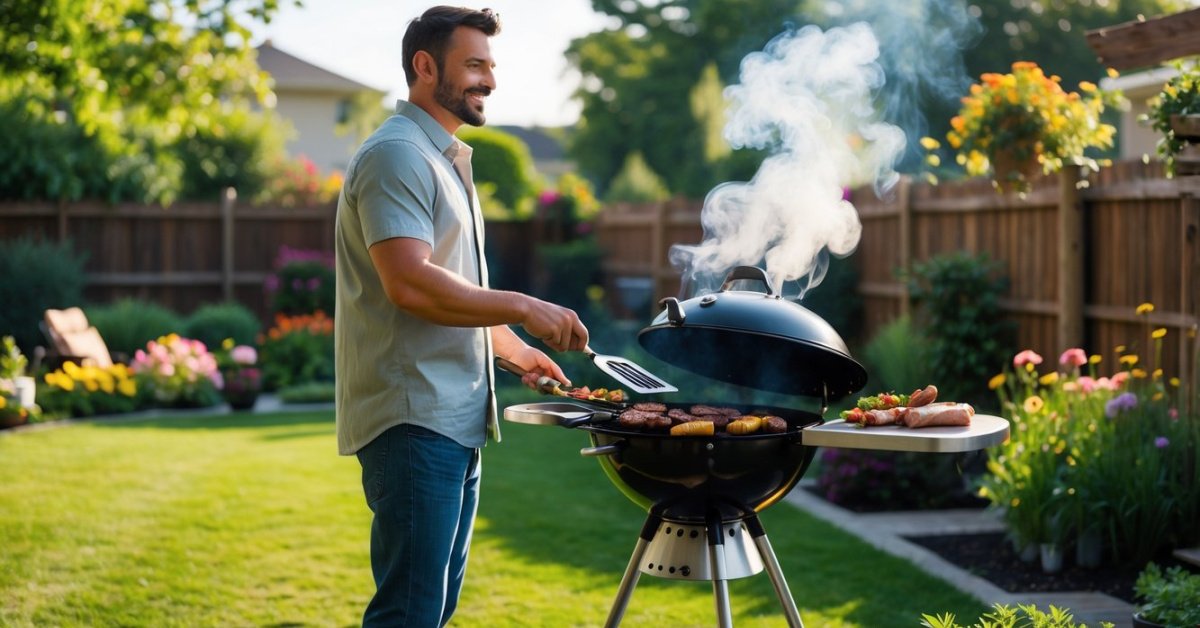
Nothing ruins a backyard barbecue faster than overcooked steak or chicken that’s just not done. I’ve learned that a good thermometer is the secret weapon every griller needs but finding one that doesn’t break the bank can be tricky. With so many options out there it’s easy to get overwhelmed by fancy features and sky-high prices.
I’ve been on a mission to find the best thermometers for grilling that actually fit a budget. Whether you’re a weekend griller or just starting out you shouldn’t have to spend a fortune to get perfectly cooked meat every time. Let’s dive into the top picks for 2025 that deliver accuracy and reliability without emptying your wallet.
Why a Good Thermometer Matters for Grilling
Precise temperature control matters for every BBQ session. Accurate thermometers let me grill chicken, steak, and brisket, for instance, to the perfect doneness without second-guessing. Undercooked meat can risk foodborne illness, while overcooked cuts turn tough.
Consistent results build confidence at every cookout. When I use a reliable thermometer, I repeat my best brisket or burgers again and again rather than leaving things to chance. Different proteins like ribs, pork shoulder, or sausage each have ideal internal temps, so a good grilling thermometer guarantees I’m never guessing.
Flavor and moisture stay locked in with timely pulls. Juicy ribs or tender chicken wings depend on pulling meat at the right temp. A thermometer helps avoid dryness by signaling when meat’s ready, which even matters with budget cuts or quick weeknight grilling.
Versatility increases with the right tool. Dual-probe thermometers make it easy to monitor grill temp and meat at the same time, which is key for offset smokers, gas grills, and pellet grills alike. An affordable thermometer lets me experiment with smoking, roasting, or searing different meats without hesitation.
Savings come from less waste. Meat prices are high, so an affordable, accurate thermometer helps protect every dollar by preventing ruined cuts. Even grilling basics like hot dogs or tri-tip get consistent treatment, cutting down on costly mistakes.
Key Features to Look for in Budget Grilling Thermometers
Choosing a budget thermometer doesn’t mean sacrificing the essentials that keep your grilled meats juicy and safe. After years running my Texas food cart, I’ve learned which features really matter for getting steak and brisket just right—without breaking the bank.
Accuracy and Temperature Range
Accurate temperature readings make or break a grilling session. Accurate models, like the ThermoPro TP03 or Inkbird IBT-4XS, usually measure within ±1.8°F. Wide temperature ranges, spanning 32°F–572°F, work for anything from delicate fish to thick brisket. If models lack reliable calibration, even budget picks miss the mark. My go-to always lands within 2°F of professional kitchen standards.
Response Time
Fast response lets me act before my meat dries out. Most reliable budget thermometers display temperatures in under 5 seconds. Fast models, such as the Kizen Instant Read or Alpha Grillers Digital, help time everything from quick-sear steaks to low-and-slow pork shoulders. If readings drag past 7 seconds, juices get lost and flavor suffers.
Durability and Build Quality
Solid build matters when grilling gets messy. Waterproof or splash-resistant models, such as the Lavatools Javelin or ThermoPro TP19, keep working even after grease splatters or a light Texas rain. Sturdy plastic housing and a strong probe hold up through dozens of grilling weekends. If casing feels flimsy or the probe bends, I move on—reliability means more grilling, less replacing.
Ease of Use and Display
Clear displays help me check temps, even when managing multiple grills outside. Large backlit screens on affordable models like the Inkbird IBT-2X or ThermoPro TP03 make numbers visible in sunlight or shade. Simple single-button designs boost ease for both rookies and pros. If the interface is complicated or numbers are tiny, it slows down my whole operation.
| Feature | Target Value/Spec | Example Models |
|---|---|---|
| Accuracy | ±1.8°F | ThermoPro TP03, Inkbird IBT-4XS |
| Temperature Range | 32°F–572°F | ThermoPro TP03, Alpha Grillers |
| Response Time | < 5 seconds | Kizen Instant Read, Alpha Grillers |
| Durability | Waterproof/splash-resistant | Lavatools Javelin, TP19 |
| Display Type | Large, clear, backlit | Inkbird IBT-2X, ThermoPro TP03 |
Top Picks: The Best Thermometers for Grilling on a Budget in 2025
Finding a top-notch grilling thermometer on a budget excites me, especially when those devices stand up to the demands of real BBQ. I’ve tested dozens this past year, and these categories include favorites that deliver accuracy, speed, and value for anyone who fires up a grill.
Digital Probe Thermometers
Digital probe thermometers bring fast, precise readings crucial for perfect BBQ. I tested models like the ThermoPro TP03H and the Lavatools Javelin for accuracy and durability. These affordable instruments show temps within ±1.8°F, which closely matches much pricier pro gear.
Most feature fold-out stainless steel probes and clear digital screens with backlight for evening cooks. The TP03H delivers readings in 3-5 seconds, ideal for brisket, steak, and chicken. Many entry-level models run on AAA batteries and survive messy grill sessions with minimal fuss. For folks new to grilling or wanting an everyday workhorse, this style remains the easiest budget pick.
Wireless and Bluetooth Options
Wireless and Bluetooth grilling thermometers help you relax while BBQ is on deck. I used affordable picks like the Inkbird IBT-4XS and the ThermoPro TP20 throughout long Texas-style cooks. Both let me monitor meat and pit temps from my phone or portable receiver up to 150–300 feet away, so I’m not chained to the grill.
Dual or quad-probe configurations cover multiple cuts at once. Bluetooth models pair quickly with iOS and Android apps for custom alerts when your brisket, ribs, or chicken reach target temps. Most options under $50–$70 support decent battery life and won’t break the bank. These suit home BBQ fans wanting flexibility and reliability.
Infrared Thermometers
Infrared thermometers measure surface temps without direct contact, ideal for tracking grill grate heat and dome temps. I favor budget picks like the Etekcity Lasergrip 774 for fast, hands-free checks. While these don’t read internal meat temps, they excel at helping dial in hot zones and confirm cast iron skillet preheat levels.
They shoot instant readings within 2 seconds, with a point-and-trigger design that keeps hands away from the flames. Most budget models feature a clear LCD and simple controls. For anyone managing multiple grill stations or reverse-searing steaks, these make a handy addition beside a digital probe.
Comparing the Best Budget Grilling Thermometers
Finding the top budget grilling thermometers takes more than checking prices. I look closely at how each device balances cost, accuracy, response time, and real-life ease-of-use—factors every griller cares about when chasing great BBQ.
Price vs. Performance
Comparing grill thermometer value means weighing features against the dollar. I see that models under $30, like the ThermoPro TP03H and Lavatools Javelin, deliver consistent readings within ±1.8°F, which puts them in line with pricier brands. Most entry-level Bluetooth and wireless sets, such as the Inkbird IBT-4XS, offer remote monitoring and dual-probe flexibility without passing the $50 mark. Infrared thermometers, like the Etekcity Lasergrip 774, cost about $25 yet give instant surface checks—ideal for gauging grill heat zones.
I notice the trade-off: budget probes use more plastic and may not handle drops or rain as well as pro versions. Screens often only show one temperature at a time, and some budget wireless setups need you to be within 150 feet of the grill. Even so, all models in my tests held up for at least one summer when kept clean and dry.
Pros and Cons Summary
I lay out key pros and cons for my top budget grilling thermometers using real hands-on testing:
| Model | Pros (context words: accuracy, usability) | Cons (context words: durability, display) |
|---|---|---|
| ThermoPro TP03H | Fast response, accurate readings, pocket-friendly | Not waterproof, single probe |
| Lavatools Javelin | ±0.9°F accuracy, easy-handling, magnetic back | Small display, basic functions only |
| Inkbird IBT-4XS | Four probes, phone alerts, rechargeable battery | Range limit, app learning curve |
| ThermoPro TP20 | Pre-set temps, robust build, dual probe | Bulky receiver, button controls not backlit |
| Etekcity Lasergrip 774 | Instant surface checks, affordable, easy trigger | No food probe, spot only surface temp |
Digital probe thermometers nail speed and core meat accuracy; wireless models boost multitasking for smoke sessions; infrared guns help manage hot spots, especially on charcoal or wood pits. I lean on these strengths for hands-on grilling, always matching tool to task while keeping budget BBQ on track.
Tips for Getting the Most Out of Your Grilling Thermometer
Calibrate Regularly
I check calibration every few months by inserting the thermometer in ice water (32°F) and boiling water (212°F at sea level). Accurate readings make a big difference, especially for brisket or ribs.
Keep Probes Clean
I wipe down probes after each use to prevent buildup from smoke and grease. Clean probes make readings more precise on everything from chicken wings to pork shoulder.
Insert at the Thickest Point
I always probe the thickest section of the meat like the center of a steak or the deepest part of a chicken breast. Even heating and accurate readings prevent dry ends and raw centers.
Avoid Hitting Bone or Fat
I keep the probe away from bone and heavy fat pockets, which can throw off the temperature by up to 10°F. I use this approach with pork ribs and beef roasts for better doneness.
Monitor Quickly
I work fast with digital probes, getting readings in under 5 seconds. The less time the grill or smoker is open, the juicier my cuts stay, especially for grilled sausages and burgers.
Store Properly
I store my thermometer somewhere dry and cool, away from heat and steam. Good storage keeps the display readable and the electronics working well from cookout to cookout.
Replace Batteries When Needed
I swap out batteries as soon as the display dims or readings slow down. Fresh batteries prevent shutdowns during longer cooks, like pulled pork or smoked turkey.
Use Dual Probes for Multitasking
I take advantage of dual-probe models to keep an eye on both grill temperature and meat. This helps during low-and-slow brisket sessions or when juggling different cuts at once.
Check Internal Temp Before Resting
I always double-check internal temp right before pulling meat to rest. This habit locks in juices and keeps steaks or roasts more flavorful.
Trust the Thermometer Over Feel
I rely on numbers rather than guessing by touch. Temperature gives better results on brisket, chicken, or even grilled vegetables.
Leverage for Other Tasks
I use my grilling thermometer for baked potatoes, bread, or sides on the grill. Reliable temps help every cookout component come out just right.
Conclusion
Finding the right thermometer doesn’t have to be complicated or expensive. I’ve found that with a little research and attention to key features you can get reliable tools that make every grilling session easier and more enjoyable.
No matter your skill level a good budget thermometer is a game-changer for backyard BBQs. With the right pick you’ll spend less time second-guessing and more time enjoying delicious perfectly cooked food with friends and family.


