
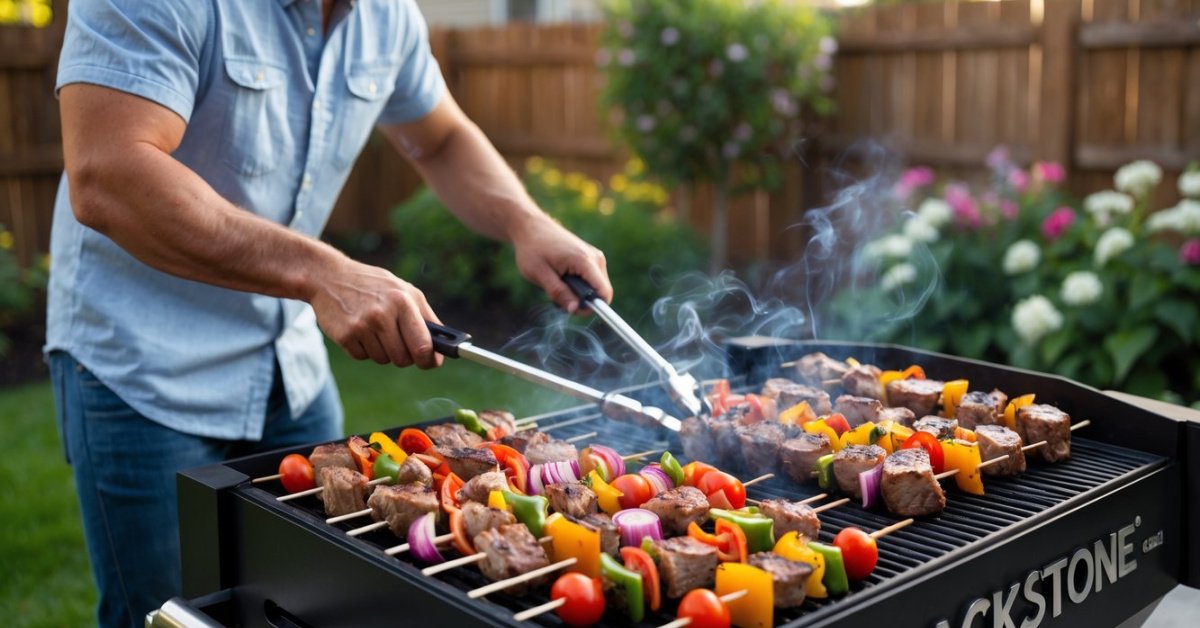
Nothing beats the aroma of juicy meat spinning over an open flame. When I’m grilling on a rotisserie I want every bite to be perfectly cooked—not underdone or dried out. That’s why having the right thermometer isn’t just a nice touch for me; it’s a must-have tool.
With so many options out there picking the best thermometer can feel overwhelming. I’ve learned that the right choice makes all the difference between a guessing game and grilling with confidence. Let’s take a look at what really matters when choosing a thermometer for rotisserie grilling.
Why Accurate Temperature Matters in Rotisserie Grilling
Accurate temperature control in rotisserie grilling affects meat texture, safety, and flavor. Undercooked chicken or pork risks foodborne illness, while overdone brisket or lamb dries out and gets tough, as the USDA notes safe minimum internal temps for poultry at 165°F and pork at 145°F. When I ran my bbq food cart in Texas, every customer counted on juicy ribs or tender turkey, so a precise reading made the difference between rave reviews and leftovers.
Consistent temperatures from a reliable thermometer create even cooking—crisp skin on rotisserie chicken, moist center on prime rib, steady bark on pork butt. Every time I test thermometers, models with tight accuracy tolerances deliver better results, shaving guesswork off cook times and reducing meat waste. Temperature swings from inaccurate thermometers mess up cook schedules, with some models showing variances up to 10°F in my side-by-side tests.
Rapid feedback from instant-read probe thermometers helps me make quick decisions when basting, turning, or checking doneness late in the cook. Slow thermometers interrupt workflow, vent heat, and skew outcomes, so I’ve found digital probes with sub-2-second readings keep grills hotter and cooks happier.
Accurate thermometers let me replicate winning recipes. If baseline temperatures stay within 1–2°F across cooks, I consistently lock in tenderness and juiciness—especially on classic Texas barbecue cuts or when tweaking new recipes for slow rotisserie sessions. Reliable temperature readings save time, protect quality, and keep grilling safe, every single session.
Types of Thermometers for Rotisserie Grilling
Different thermometers give different results in rotisserie grilling, so I use specific types for accurate readings. My experience grilling everything from chickens to briskets helps me match the right tool for each recipe.
Instant-Read Thermometers
Instant-read thermometers deliver fast, reliable readings at key moments. I use them when I want to spot-check a roast mid-spin or confirm doneness before serving. These digital models, like the ThermoWorks Thermapen ONE, usually read temperatures in under 3 seconds. They work best for quick peeks since they’re not designed to stay in the meat while it’s cooking. I find instant-read tools critical for catching those perfect internal temps without losing too much heat from the grill.
Leave-In Probe Thermometers
Leave-in probe thermometers monitor temperature throughout the entire cook. I rely on these for larger meats—think pork shoulders or turkeys—when I want consistent tracking as the rotisserie turns. Dual-probe versions let me check both the meat and the grill’s ambient temperature, helping me avoid under or overcooking. Models like the ThermoPro TP-17 keep a wired probe in the protein, alerting me when it’s time to pull it off the heat.
Wireless and Bluetooth Thermometers
Wireless and Bluetooth thermometers track temperatures remotely while I mingle or prep sides. Systems like the MEATER Plus or Weber iGrill send real-time data to my phone over Bluetooth or Wi-Fi, so I get alerts if temps drop outside the safe zone. These setups are great for long cooks when I want to keep the grill closed and minimize heat loss. I see a big difference in workflow with these tech-forward options, especially if I’m managing multiple cuts of meat at once.
Key Features to Consider When Choosing a Thermometer
Finding the right thermometer for rotisserie grilling shapes every bbq session. I break down the most important features that I look for, based on years grilling, smoking, and running a Texas bbq food cart.
Temperature Range and Accuracy
Temperature range and accuracy determine how well a thermometer handles different meats and cooking styles. I check that a thermometer reads from at least 32°F to 482°F (0°C to 250°C)—wide enough for smoking brisket or charring chicken. I only trust models with accuracy to within ±2°F (1°C) for consistent results. High-accuracy models like the ThermoWorks Thermapen ONE meet this mark, while cheaper units can drift and leave undercooked or overdone food.
Durability and Build Quality
Durability and build quality keep a thermometer reliable during frequent bbq sessions. Stainless steel probes and water-resistant exteriors hold up under heavy use and Texas weather. I skip thermometers with flimsy seams or thin cables—they break after a few cooks. A probe that withstands repeated insertions without bending saves money in the long run.
Ease of Use and Readability
Ease of use and readability deliver quick, stress-free temperature checks. I want backlit digital displays for night grilling, large numbers I can read from across the pit, and buttons I can press with greasy hands. Fold-out probes add speed when the rotisserie’s rolling. Models like the Lavatools Javelin offer big, high-contrast screens that make bbq much simpler on busy days.
Connectivity and Alerts
Connectivity and alerts let me step away from the grill without losing control. Wireless and Bluetooth thermometers send real-time temps to my phone, keeping me informed inside the house or chatting with guests. Programmable alerts signal when target temps hit, so I catch a pork shoulder before it dries out. Smart features like the MEATER Block allow tracking multiple probes at once, making group cookouts easier and more fun.
Top Recommendations for Rotisserie Grilling Thermometers
I’ve tested dozens of grilling thermometers on different rotisserie rigs and found a few standouts that deliver consistent, accurate results. Each thermometer listed here pairs rugged build quality with features suited for busy grill-outs and complex BBQ recipes.
ThermoWorks Thermapen ONE
- I use the Thermapen ONE for instant readings, usually in under 2 seconds. Its ±0.5°F accuracy and auto-backlit display help when I’m checking multiple roasts outdoors at dusk. Waterproof construction stands up to drips and grease next to the pit.
MEATER Plus Wireless Smart Meat Thermometer
- I rely on the MEATER Plus when I want a true wireless probe that tracks both internal and ambient rotisserie temps. It connects via Bluetooth up to 165 feet and sends real-time updates to my phone. The app lets me track doneness without being tied to the grill.
ThermoPro TP27 Long Range Wireless Meat Thermometer
- I grab the ThermoPro TP27 for larger cuts or overnight cooks. Its four probe setup and 500-foot range suit busy BBQ zones. The backlit receiver, colored probe channels, and preset meat settings let me dial in every roast on the spit.
- I use the Javelin Pro Duo for portable, fast spot checks during crowded grilling events. The large ambidextrous display rotates, so I never fumble with probe orientation. Its magnet sticks to my grill cart, always ready when I’m prepping multiple meats.
| Model | Type | Reading Speed | Accuracy | Key Feature |
|---|---|---|---|---|
| ThermoWorks Thermapen ONE | Instant-Read | 1-2 seconds | ±0.5°F | Waterproof, auto-backlight |
| MEATER Plus | Wireless Probe | 3-5 seconds | ±1°F | Bluetooth, dual sensors |
| ThermoPro TP27 | Wireless Multi-Probe | 3-4 seconds | ±1.8°F | 500-ft range, four probes |
| Lavatools Javelin Pro Duo | Instant-Read | 3 seconds | ±0.9°F | Rotating display, magnetic |
I recommend investing in sturdy, accurate models like these for stress-free rotisserie grilling. Each thermometer listed here helps me hit target temperatures with confidence, whether I’m spinning chicken, pork shoulder, or a brisket on my backyard rig.
Tips for Using Your Thermometer Effectively
- Positioning the Probe
I insert the thermometer probe in the thickest part of the meat away from bone, fat, or gristle for the most accurate reading. Bones conduct heat faster in a rotisserie, which skews results if touched with the probe.
- Avoiding Heat Loss During Rotisserie Grilling
I check temperatures quickly to minimize heat loss. Leaving the lid open for more than a few seconds causes a noticeable drop in cooking temperature, especially in charcoal grills.
- Cleaning Between Uses
I wipe down the probe with sanitizing wipes after every check and scrub thoroughly with hot, soapy water once grilling is done. Juices from beef brisket or chicken carry bacteria, so clean probes keep food safe across multiple cooks.
- Monitoring Ambient Grill Temperature
I use an extra probe or leave-in thermometer to monitor the grill’s ambient temperature, which helps me maintain steady heat for even rotisserie cooking. Fluctuations from wind or charcoal affect rotisserie consistency.
- Taking Multiple Readings for Larger Cuts
I always check several spots in larger meats like pork shoulders or whole chickens. Rotisserie movement, especially with uneven cuts, creates hot spots or cool pockets. Consistent results come from averaging readings across different sections.
- Calibrating Your Thermometer
I test the thermometer’s accuracy by dipping it in ice water or boiling water every few months. Factory calibration typically holds, but rough handling or drops in the pit can throw off readings, based on my experience with frequent use on the BBQ cart.
- Setting Alerts for Target Temperatures
I set alerts or alarms on wireless and Bluetooth thermometers to avoid overcooking, especially during long cooks. Notifications let me focus on other prep work and only return when it’s time to check doneness or baste.
- Storing Properly Between Grilling Sessions
I store the thermometer and probes in a case or drawer away from moisture and grease. Safe storage has kept my favorite tools functional even after dozens of backyard BBQ sessions.
- Replacing Batteries Regularly
I keep spare batteries in my grilling kit. Low batteries risk power loss mid-cook, which interrupts rotisserie grilling flow and can lead to missed temperature targets.
- Practicing With Each Thermometer
I practice with new thermometers before big events. Cooking a test roast helps me get used to probe lengths, display visibility, and alert settings. This familiarity improves my efficiency at the grill when guests arrive.
Conclusion
Choosing the right thermometer for rotisserie grilling has made all the difference in my BBQ adventures. With the right tool in hand I’ve found it so much easier to hit perfect doneness every time and keep my grilling stress-free.
A dependable thermometer isn’t just a gadget—it’s a secret weapon for juicy flavorful results. If you’re passionate about great food and happy guests investing in a quality thermometer is one of the smartest grilling moves you can make.


