
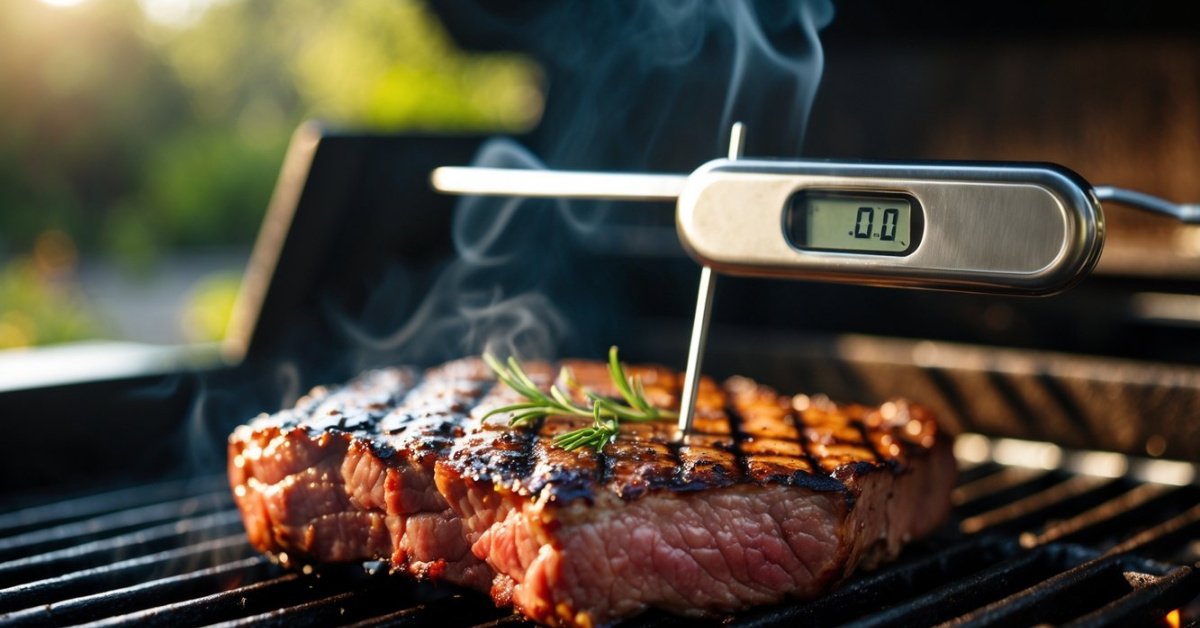
Grilling seafood always feels like a treat but getting it just right can be tricky. I’ve learned that the difference between tender salmon and rubbery shrimp often comes down to one simple tool—a good thermometer. With so many options out there it’s easy to feel lost in the sea of choices.
I know how important it is to serve perfectly cooked seafood every time. That’s why finding the right thermometer matters so much. Whether I’m grilling delicate fish fillets or thick scallops I want to make sure every bite is safe and delicious. Let’s make picking the best thermometer for your seafood grilling adventures simple and stress-free.
Understanding the Importance of Accurate Temperature in Grilling Seafood
Accurate thermometers give me precise control over grilling seafood, which cooks way faster than beef or pork. Overcooked fish gets dry and rubbery, while undercooked shrimp or scallops stay unsafe to eat. FDA guidelines specify 145°F (62.8°C) as the safe internal temperature for finfish like salmon examples and tilapia examples. For shellfish such as shrimp, oysters, and scallops examples, flesh should become opaque and firm.
Small thicknesses in seafood cuts, like 1-inch filets or peeled shrimp, mean temperature changes happen quickly. Even a couple of extra degrees can push a juicy tuna steak over the edge. Consistent temperatures lock in juices, which keeps cod, halibut, and similar fish moist. Correct doneness also preserves the natural flavors of seafood, which can be mild in sole or bold in mackerel.
I test thermometers in actual grilling conditions, because surface temps on fish or shellfish differ from grill grates or pan surfaces. Quick, precise readings help me avoid guesswork and get top results every time I cook seafood on the grill.
Key Features to Consider in a Seafood Grilling Thermometer
Choosing the right grill thermometer makes a big difference when I’m locked in on those delicate seafood fillets or fresh shellfish. I check each feature carefully to get results that match the speed and sensitivity that grilling seafood demands.
Temperature Range and Accuracy
Temperature range impacts how well a thermometer handles all seafood types. I use models that read accurately from 32°F to at least 400°F, so I can check refrigerated shellfish or sear blackened tuna. High accuracy, within ±1°F, helps me hit FDA-recommended safe internal temps for finfish and recognize the subtle changes that keep shrimp juicy instead of rubbery.
Probe Type and Length
Probe style determines how well I can monitor different seafood thicknesses. I use thin, sharp probes for delicate filets, like tilapia, to leave minimal damage. I reach for probes at least 4 inches long to get a stable reading in larger pieces of halibut or whole red snapper. A flexible or angled probe fits tight spots when my grill’s stacked.
Response Time
Response time needs to keep up with how quickly seafood proteins set up, especially with thinner cuts. I go for thermometers with a response time of 3 seconds or less, reducing lid-open time on my grill and helping me avoid overcooking. Fast updates help me manage several items at once without losing track of different doneness stages.
Durability and Waterproofing
Durability comes first on a busy grill. Seafood drips and steam test the build quality of any thermometer. I pick models with IP67 or higher waterproof ratings, so rinses or rain aren’t a problem at my outdoor workspace. Stainless steel probes resist corrosion from brines or salty marinades, lasting through heavy use during shrimp boils or all-day fish cookouts.
Display and Readability
Display clarity makes all the difference when I’m juggling tongs, trays, and the thermometer. I prefer large, backlit screens with bold digits, which help me catch the temp quickly in bright daylight or after dark. Rotating displays and auto-off features add convenience, so I can check temps from any angle or position beside the grill.
Different Types of Thermometers for Grilling Seafood
When I grill seafood, I rely on specific thermometer types to avoid overcooked fillets or risky underdone shellfish. Each style brings unique advantages for grilling.
Instant-Read Thermometers
Instant-read thermometers give me a fast and precise temperature check within 3–5 seconds. I use slim probes for thin fillets like tilapia or catfish since they don’t rip delicate flesh. Larger seafood steaks such as swordfish or salmon benefit from sturdy instant-read models with slightly thicker probes. I look for backlit displays since I often grill after sunset.
Digital vs. Analog Thermometers
Digital thermometers show temperature readings in clear numbers within seconds. I use digital models for accuracy and speed, especially with quick-cooking shrimp or scallops. Analog thermometers use a dial and pointer—readings come slower, within 15–30 seconds, and can vary by 2–4°F. I only use an analog dial in backup situations since it’s hard to read outside at night and more difficult to calibrate.
Wireless and Smart Thermometers
Wireless and smart thermometers let me track multiple seafood pieces without hovering at the grill. Radio-frequency (RF) models, like the ThermoPro TP20, send temperature data to a handheld receiver up to 300 feet from the grill. Bluetooth and Wi-Fi smart thermometers link to my smartphone with real-time alerts and seafood temperature graphs. I use these for mixed seafood platters or larger grilling jobs since they monitor temperature and let me focus on prepping sides or sauces.
Tips for Using a Thermometer When Grilling Seafood
Insert the thermometer probe into the thickest part of the seafood for the most accurate temperature reading, avoiding bones and grill surfaces. Place the tip in the center of a salmon fillet or whole fish, or in the thickest part of a shrimp skewer, scallop, or lobster tail.
Check temperatures early and often since seafood cooks much faster than other proteins. I usually start monitoring within the first few minutes for thin fillets, with thicker cuts, like swordfish steaks, needing a couple of extra minutes before checking.
Use an instant-read digital thermometer for speed and precision when grilling over high heat. I recommend limiting the time the lid’s open, because temperature drops can slow cooking and dry out seafood.
Clean the thermometer probe between uses, especially when switching between raw and cooked seafood. I keep alcohol wipes or a damp cloth handy for quick cleaning on the grill.
Watch for carryover cooking with thick fillets or shellfish, as internal temperatures can rise 5–10°F (2–5°C) after removing seafood from the heat. If you want moist, flaky results, I pull fish at 140°F (60°C), letting it reach 145°F (62.8°C) off the grill.
Keep the probe angle consistent for even readings across fillets and shellfish. I hold the thermometer at the same angle for each check to avoid temperature deviations.
Refer to safe temperature guidelines for every type of seafood. For finfish, I always aim for 145°F (62.8°C). For shrimp, scallops, or crab, I go by appearance: opaque and firm means done.
Apply a thermometer to every batch, even if you feel confident. Environmental factors like wind, humidity, or grill fluctuations can impact cooking time and accuracy.
Experiment with placement for larger platters or mixed seafood. I insert the probe into different pieces to ensure uniform doneness without guessing.
Rely on a good thermometer, and you’ll taste the difference in every juicy, perfectly-cooked bite.
Top Recommendations: Best Thermometers for Grilling Seafood
I’ve tested dozens of thermometers on the grill, looking for those that handle seafood cleanly and consistently. Each pick here meets tough standards for speed, accuracy, and durability under real outdoor conditions.
- ThermoWorks Thermapen ONE
This instant-read digital thermometer delivers a reading in about one second, holds accuracy within ±0.5°F, and has a waterproof IP67 rating. Its bright rotating display lets me check temperature easily in sunshine or smoke. I use it for swordfish steaks, salmon fillets, and large shrimp.
- Lavatools Javelin Pro Duo
With a response time of 2–3 seconds and ±0.9°F accuracy, the Javelin Pro Duo’s extra-long 4.5-inch probe slides into thick tuna or halibut easily. Its magnetic backing helps me stick it to the grill for quick access. The large backlit screen shines in evening cooks.
- ThermoPro TP20 Wireless Meat Thermometer
For grilling multiple seafood skewers or mixed platters, this wireless dual-probe model keeps me updated from up to 300 feet away. Each stainless probe monitors a different piece or side of the grill, so I never lose track. The programmable settings suit shrimp, lobster, or scallops.
- Inkbird IBT-4XS Bluetooth Grill Thermometer
Controlling up to four probes from my phone, the Inkbird works great for big seafood feasts or grilling shellfish and fish together. Its app alerts me as each portion comes up to temp. I keep the water-resistant base out by the grill all summer.
- Taylor Precision Classic Instant-Read Thermometer
When I want a backup analog tool, this 1.5-inch-faced thermometer fits in my pocket and reads 0–220°F. It isn’t as fast as digital models, but it’s reliable for spot-checking single fillets or grilling over an open fire where electronics might falter.
I pick these thermometers for seafood grilling because each balances precision and ease of use. Their response time, clarity, and rugged build hold up against direct heat and splashes from oily marinades or brine. I’ve depended on these models from backyard cookouts to festival food lines in Texas.
Conclusion
Grilling seafood doesn’t have to be stressful or unpredictable. With the right thermometer in hand I feel confident every time I fire up the grill and tackle everything from delicate fillets to hearty shellfish. A little attention to temperature goes a long way toward juicy flavorful results that impress family and friends.
If you’re ready to level up your seafood grilling game investing in a quality thermometer is one of the smartest moves you can make. You’ll spend less time guessing and more time enjoying perfectly cooked seafood at every backyard cookout.


