
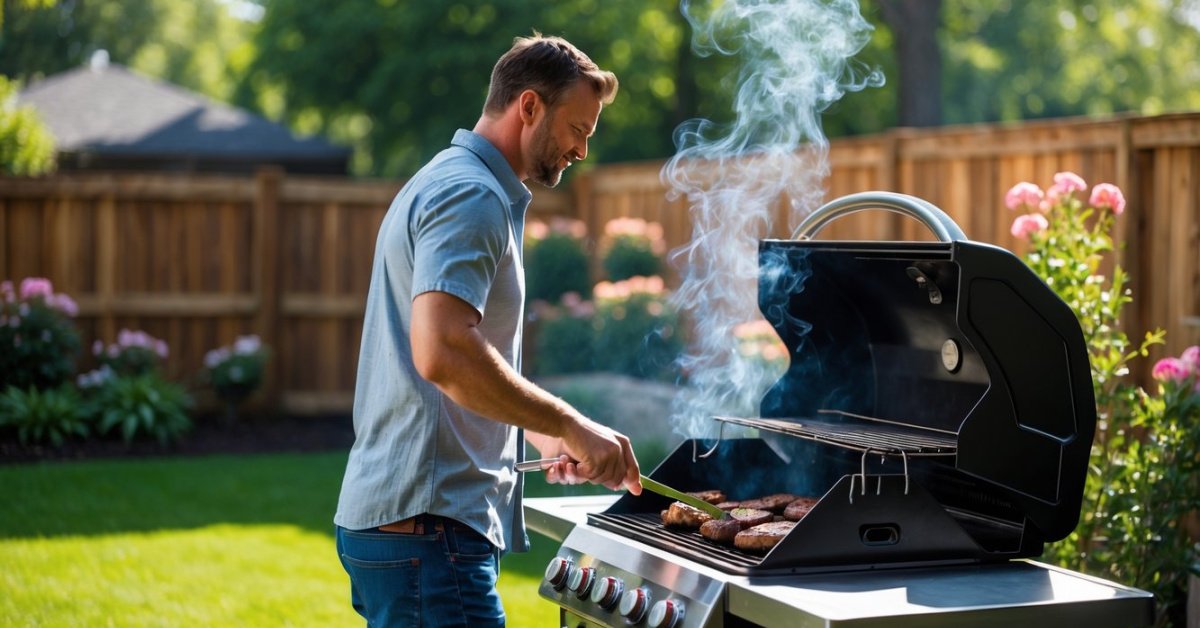
Grilling on my balcony always feels like a mini escape right at home. There’s something special about the sizzle of food and the aroma drifting through the air while I soak up the city view. But I’ve learned that nailing the perfect steak or juicy chicken breast isn’t just about good marinades—it’s all about temperature.
That’s where the right thermometer comes in. With limited space and unpredictable outdoor conditions, I need a tool that’s accurate, fast, and easy to use. Whether I’m searing burgers for friends or enjoying a quiet dinner for one, having the best thermometer makes all the difference. Let’s explore which ones really stand out for balcony grilling.
Why Accurate Temperature Matters for Balcony Grilling
Accurate temperature decides how tender or juicy grilled food tastes on a balcony. I’ve noticed that even a 5°F difference changes how steak or chicken ends up, especially with limited airflow, wind, or variable heat zones that balcony grills often face. Internal temperature affects if proteins stay safe and moist—USDA guidelines state chicken needs 165°F internal temperature for safety, while medium-rare steak hits 130°F to 135°F. Fast, precise readings keep me from guessing and let me pull food right when it’s done.
Balcony grilling doesn’t have extra room for mistakes. Small spaces make heat fluctuate, and portable grills—like electric or tabletop propane units—don’t hold temperatures as steady as bigger offset smokers or kettle grills. I use thermometers to confirm grill grates stay in the 225°F to 250°F range for low-and-slow pork or ribs, and to track fire spikes when direct grilling burgers at 450°F or above. Instant-read thermometers and digital probes save time and let me check quickly before closing the lid again, keeping as much heat as possible inside the cooking chamber.
Precise thermometers help keep both flavor and safety consistent. With neighbors close and balconies stacked above, flare-ups can cause issues if food burns or overheats. Thermometers let me keep flare-ups under control by reducing guesswork and monitoring cooking progress through thick or thin cuts—brisket on a small pellet grill, shrimp skewers over high heat, or bacon-wrapped jalapeños right by the railing.
Using top-quality thermometers on the balcony helps me serve food that tastes like it just came off a Texas pit—even from four stories up.
Key Features to Look for in Grill Thermometers
Finding the right grill thermometer changes everything for balcony grilling. After using dozens in my Texas bbq days and even more now, these are the core features I always check.
Wireless vs. Wired Options
Wireless thermometers offer remote monitoring, letting me relax indoors or prep sides without babysitting the grill. Models such as ThermoPro TP20 use dual probes and notify me through a receiver, sometimes with Bluetooth or Wi-Fi apps. Wired thermometers, like ThermoWorks Thermapen ONE, require me to check temps at the grill but give fast, direct readings—great for quick sears or thin cuts. For longer cooks or when stepping inside is necessary, wireless models add real convenience.
Temperature Range and Precision
Temperature range directly affects versatility. I look for thermometers that cover at least 32°F to 572°F, which handles low-and-slow smokes to high-heat sears. For steak and chicken, ±1.8°F precision helps maintain optimal doneness and food safety. Many top-tier thermometers, including MEATER Plus and Inkbird IBT-4XS, advertise this level of accuracy. Precise readings mean fewer overcooked briskets or underdone poultry.
Battery Life and Durability
Battery life impacts reliability on longer cooks. Thermometers with 100+ hours per charge—like the ThermoWorks Smoke X—keep going through full smoke sessions. Waterproof construction and heat-resistant probes withstand flare-ups, rain, and accidental drops. I prioritize sturdy builds after losing cheaper models to direct flames or Texas thunderstorms.
Ease of Use and Display Visibility
Ease of use helps, especially at night or when grilling multiple recipes. I prefer thermometers with large backlit displays, simple controls, and clear labels. Magnetic backs or hanging hooks let me position displays within easy reach. Examples like the Lavatools Javelin Pro Duo use bright digits and one-button operation, so I never guess if I’m hitting the right temps on crowded grates. Readable displays and simple interfaces keep balcony grilling stress-free, even with limited lighting or on busy evenings.
Top Picks: The Best Thermometers for Grilling on a Balcony
Choosing the right thermometer levels up balcony grilling and makes precise results possible, even with compact setups. I’ve tested a wide range of grill thermometers in my Texas days and on city balconies—here’s my list of top performers.
Best Overall Thermometer
ThermoWorks Thermapen ONE offers exact readings in just 1 second, thanks to its advanced thermocouple sensor. I use it for steak, chicken, and burgers because the ±0.5°F accuracy and waterproof build withstand outdoor grilling messes. A bright, 360° auto-rotating display lets me check temps, whether grilling in the morning sun or grilling after dark. This thermometer runs up to 2,000 hours per AAA battery. ThermoWorks backs the Thermapen ONE with a 5-year warranty.
Best Budget-Friendly Option
ThermoPro TP03 Digital Instant-Read Thermometer delivers reliable readings (±0.9°F) in 3–4 seconds, making it my go-to for wallet-friendly accuracy. I recommend it to new grillers, since the foldable probe, auto-off feature, and compact size keep things simple. A wide temp range (58°F–572°F) covers steak, fish, and chicken. The display’s backlight and single-button control enhance usability during weeknight cooks.
Best Smart Thermometer with App Connectivity
MEATER Plus Wireless Smart Meat Thermometer lets me monitor grill temps and food doneness from up to 165 feet away using a Bluetooth app. Dual sensors track internal meat temps up to 212°F and ambient grill temps up to 527°F, so I can multitask—or mingle—without missing the perfect doneness window. Guided cook programs and notifications simplify the process for ribs, whole chicken, and brisket. The probe charges wirelessly in its wooden dock and runs for 24 hours.
Best Compact Thermometer for Small Spaces
Lavatools Javelin PRO Duo combines speed (readings in 2–3 seconds) with a slim, foldable design that fits in tight kitchen drawers or apron pockets. I like that it’s splash-resistant and offers a ±0.9°F margin, which works well for precise pork chops and seafood. A large backlit display rotates automatically for left- or right-handed use. The battery lasts up to 4,000 hours, and the antimicrobial handle keeps it fresh between cooks.
Tips for Proper Thermometer Use on a Balcony
- Keep the probe steady during readings
I keep my thermometer probe steady in the thickest part of the meat, since moving it around can give uneven readings from hot spots or grill grates.
- Avoid direct contact with bone or gristle
I stick the probe into the center of the protein, not touching bone or tough cartilage, as contact with these can return false high or low readings.
- Clean the probe after each check
I wipe my thermometer probe with a damp cloth or sanitized wipe before inserting it in a different cut or protein to prevent cross-contamination.
- Wait for the thermometer to stabilize
I let the digital temperature stabilize for at least two to three seconds, unless I’m using an instant-read model like the Thermapen ONE that locks in quickly.
- Take multiple readings for accuracy
I check temperatures in two or three spots, especially with thick steaks or whole chickens, because variations of 5°F can impact texture and safety.
- Protect the thermometer from direct flare-ups
I avoid exposing my thermometer display or probe cable to direct flames, since high balcony winds and grease triggers sudden flare-ups that can damage electronics.
- Store the device safely between uses
I keep thermometers in a shaded, dry spot on my balcony or store them indoors after grilling, since moisture and sun exposure can shorten battery life or fade displays.
- Use backlit displays in low light
I rely on backlit or high-contrast displays as the sun sets or grills get smoky, since low-light situations make tiny numbers hard to see.
- Sync wireless probes before grilling
I always pair or calibrate wireless probes with their app or receiver before lighting the grill, as Bluetooth or radio signals can get spotty on balconies with metal railings.
- Monitor ambient grill temperature with dual probes
I use a dual-probe thermometer when smoking or slow-cooking, assigning one probe to the food and another to the grill grate, as ambient temps swing fast in small balcony grills.
Conclusion
Grilling on a balcony can be just as rewarding as cooking on a full-sized patio—if you’ve got the right tools. With a reliable thermometer in hand I never have to second-guess the doneness or safety of my food. It’s made my balcony cookouts stress-free and consistently delicious.
No matter your budget or setup there’s a thermometer out there that’ll help you master the art of balcony grilling. Once you find the one that fits your needs you’ll wonder how you ever grilled without it.


