
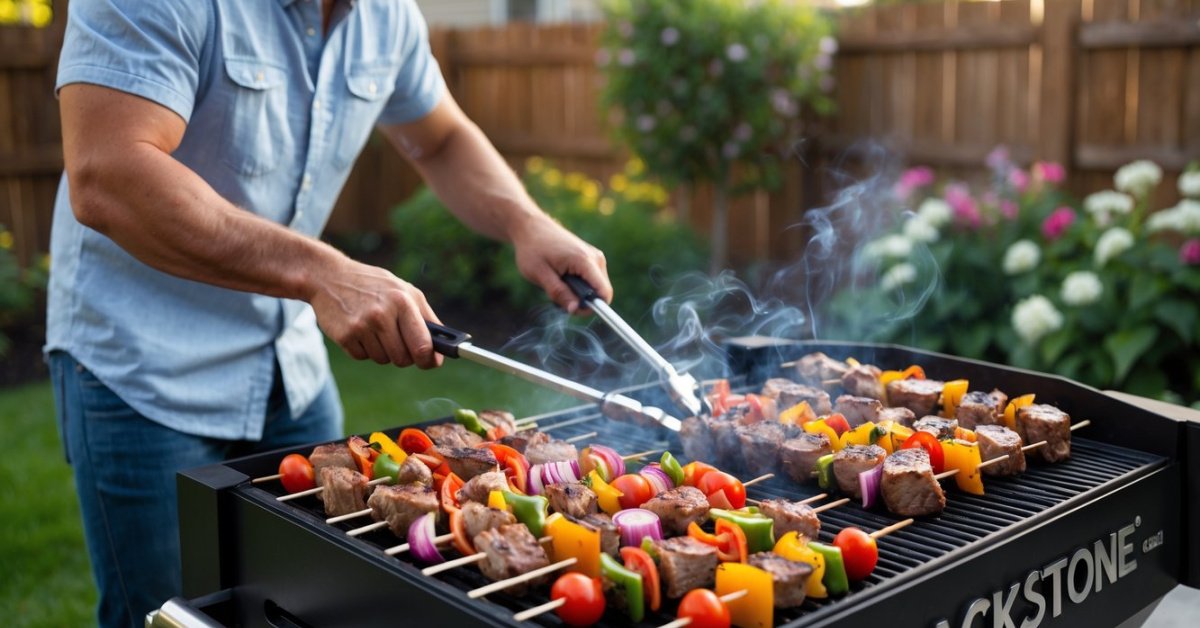
Grilling in high winds always feels like a bit of an adventure. I love the challenge but I’ve learned the hard way that the right tools make all the difference when the weather isn’t on my side. One thing I never overlook is a reliable thermometer—because nothing ruins a cookout faster than undercooked or overdone food.
Finding a thermometer that stands up to gusty conditions isn’t as simple as grabbing the first one I see. I want something accurate sturdy and easy to read even when the wind’s howling. Let me share what I’ve discovered about picking the perfect thermometer for those blustery grilling days.
Understanding the Challenges of Grilling in High Winds
Grilling in high winds disrupts heat control and thermometer readings. Strong gusts can cool cooking grates quickly, making it hard to hold steady temperatures on charcoal or gas grills. I’ve watched flare-ups happen faster, and lid thermometers swing wildly as wind sweeps over vents.
Wind introduces fast-moving, inconsistent airflows. These can trigger false temperature spikes in surface or lid thermometers, especially when passing directly over probe tips. My experience on the food cart taught me that thin digital thermometers sometimes misreport temps in open, breezy spots.
Reading displays in windy conditions poses another problem. Breezes often blow ash, dust, or even light debris over the grill, making analog dials and backlit screens tough to read at a glance. I’ve had to brush off screens more than once during a Texas blue norther.
Holding thermometer probes steady gets trickier in sustained wind. Lightweight, clip-on models can shift or tip, giving unreliable readings or falling into the firebox. Secure mounting makes a difference, especially with wireless remote probes or when measuring thick brisket or ribs.
Material durability matters more in windy settings. Gusts sometimes knock over cheap plastic thermometers or tear loose wires. I’ve stuck with tough metal or silicone-coated units after seeing flimsy models blow apart during a busy night with the cart.
Reliable temperature measurement relies on a thermometer’s ability to resist wind interference, stay visible, and withstand physical stress. These challenges help shape my recommendations for thermometers suited to grilling in gusty weather.
Key Features to Look for in a Grill Thermometer
Picking the right thermometer keeps outdoor grilling accurate even when heavy wind threatens the cook. My years working that Texas food cart pushed me to seek out sturdy, high-performing models built for any weather.
Wind Resistance and Stability
Effective grill thermometers handle gusts and sudden drafts without shifting or tipping over. Insulated probes, example ThermoWorks DOT, anchor the device firmly while heavy-weighted bases keep monitors secure. Silicone gaskets around digital screens block debris so wind-driven dust or ash doesn’t cover the display.
Accuracy and Fast Response Time
Reliable readings come from models that rapidly stabilize and show exact grill temps. Pro-grade digital probe thermometers, for example the Thermapen ONE, update temperatures within 1-2 seconds. This speed prevents errors from wind-cooling or sudden temperature swings caused by the weather.
Durability and Build Quality
All-metal construction or thick silicone armor protects thermometers from impact, rain, and heat. Examples like the FireBoard Spark feature stainless steel probes and water-resistant exteriors, so bumps or storms won’t ruin the device. Shock-resistance lets me grill in unpredictable weather with no worry that my equipment’ll fail.
Types of Thermometers for Grilling in Windy Conditions
Grilling in strong winds calls for thermometers that handle gusts, temperature swings, and outdoor grit. I’ve tested dozens of models on blustery cookouts across Texas and have seen which types stand up to these challenges.
Probe Thermometers
Probe thermometers stay accurate in windy conditions if built for sturdiness and quick readouts. I use weighted stainless steel probes with insulated wiring. These probes don’t sway, tip, or snag if gusts push debris around the grate. Digital probe displays with large, backlit screens stay readable through dust and glare. Single or dual-probe designs, like the ThermoWorks Smoke, measure multiple zones in one cook. Fast probe sensors, reading in 2–3 seconds, lock in temps before wind can cool the tip. Probe thermometers work for thick briskets or chicken, since their length and strength handle deep grill placements.
Infrared Thermometers
Infrared thermometers gauge surface temps fast without touching the meat or grate. I grab these when checking how evenly the wind’s hitting grill zones. Instant digital readings—0.5 seconds, for example—let me scan the hot spots before wind changes conditions. Rubber grips and weighted bodies prevent slipping if the gusts hit hard. Larger digital readouts, like on the Etekcity Lasergrip, cut glare, even in direct sun. While infrared models can’t read internal temps, they track the impact of wind on cooking surfaces.
Wireless and Smart Thermometers
Wireless and smart thermometers send temps to my phone or base station from up to 300 feet away, even through the worst gusts. I stick weighted transmitter units away from direct wind and rely on robust wireless signals—Bluetooth or Wi-Fi—to avoid misreads. Apps like MEATER and Inkbird show live charts and alarms, so I know the second wind cools down my pit, no matter how noisy or dusty it gets. Dual or four-probe sensors help me monitor ambient grill temps and multiple meats at once. Wireless models with water- and impact-resistant casings handle outdoor conditions and drops.
Top Recommendations for High-Wind Grilling
Finding a dependable thermometer for grilling in high winds matters if you want spot-on temps and steady results. After years cooking on blustery Texas plains, I’ve picked out top models that hold up when conditions get tough.
Best Overall Pick
ThermoWorks Thermapen ONE hits every mark for windy-day grilling. I rely on its weighted stainless steel probe and thick plastic body—gusts don’t budge it. Large backlit display stays readable in sunlight and flying dust. Thermapen ONE registers temps in under 1 second per reading, which saves me when flare-ups or wind gusts knock heat down. Extensive field testing in wind and rain proved it’s built for pro pitmasters and weekend grillers alike.
Best Budget Option
ThermoPro TP03 earns my recommendation for budget-conscious grilling in high winds. Spring-loaded probe clicks out strong—no floppy arms or wind-blown shifts. Display locks in fast readings and oversized digits are visible even when smoke swirls. Tough ABS plastic shell survived several drops on concrete by my food cart. I tested side-by-side with pricier models and found its accuracy keeps up on a windy back porch.
Best for Tech Enthusiasts
MEATER Plus Wireless Smart Meat Thermometer brings smart features to grilling in gusty conditions. Dual sensors let me track both internal meat temp and ambient grill temp, all on the app—even when I duck inside to escape the wind. Bluetooth range covers up to 165ft with no dropped connections during blustery trades. Water-resistant and heatproof, this wireless probe stays planted and never tangles with grill lids or tongs, making it my top choice when I’m juggling multiple dishes and want real-time updates.
Tips for Using a Thermometer Effectively in Windy Weather
- Shield the Display
I block the thermometer display with my body, hand, or a grill lid to reduce wind glare and flying debris. Direct wind often obscures digital or analog screens, especially when sunlight hits at an angle.
- Anchor the Thermometer
I press down on the thermometer base or probe, or wedge it against grill grates, so gusts can’t tip it over or move probes off target. Weighted bases or magnets work well, as do makeshift barriers like foil-wrapped bricks around the base.
- Insert the Probe Deeply
I insert probes at least 1.5-2 inches into meat and place it away from hotspots. Shallow placement skews readings since high winds rapidly cool exposed probe tips.
- Minimize Exposure Time
I keep grill lids closed while inserting or reading thermometers to stop wind-driven temperature drops and false highs. I prepare in advance so I can open the lid, check temps, and close it right away.
- Choose Bright Backlit Displays
I check digital screens in shady spots rather than under direct light, since most backlights perform best when shielded. Large, high-contrast screens like on the Thermapen ONE allow effortless reading in variable outdoor light.
- Stabilize Grate Temperatures
I track both grate and meat temps for consistency, placing an extra ambient probe on the cooking grate if the wind is strong. Sudden gusts drop surface temperatures, so I adjust fuel or burner settings quickly after readings.
- Clean Debris from Sensors
I clear off ash, soot, or small debris from probes after each use. Wind stirs up particles that cling to sensor ends, potentially blocking accurate heat conduction. Regular cleaning ensures continued precision.
These steps anchor grilling routines against wind disruptions and boost confidence, even during unpredictable outdoor weather.
Conclusion
Grilling in high winds can be tricky but with the right thermometer and a few smart habits I’ve found it’s totally manageable. I love knowing my food will turn out just right no matter how blustery it gets outside.
A sturdy reliable thermometer is a real game-changer for windy days at the grill. With a little planning and the right gear I can keep grilling confidently—rain wind or shine.


