
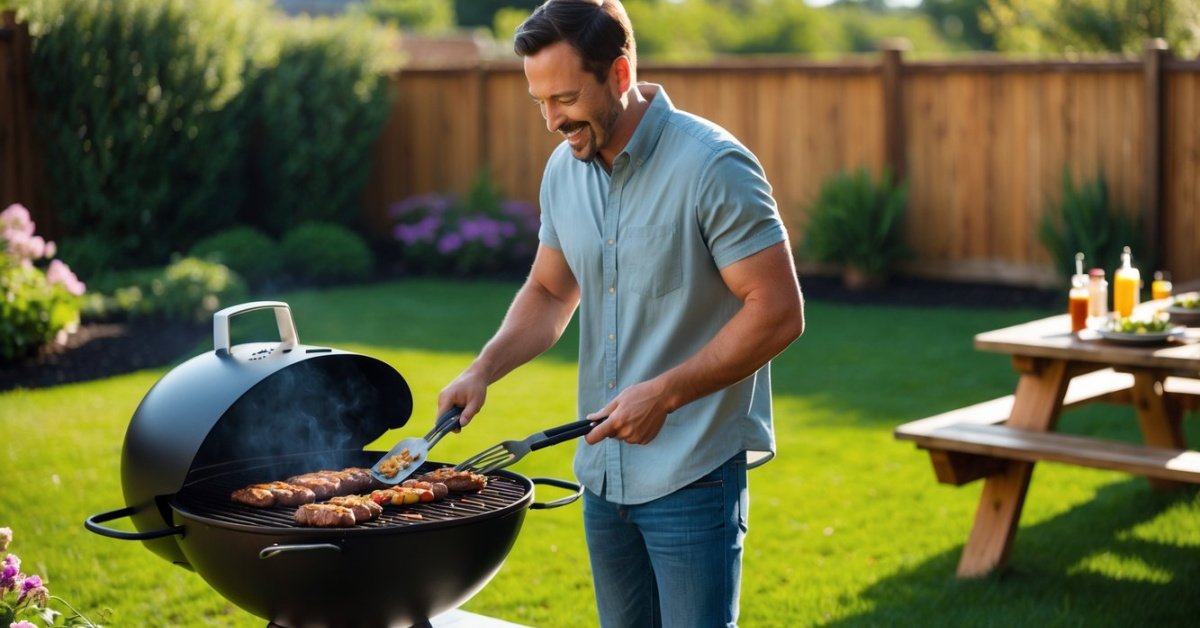
Nothing beats the sizzle of a steak hitting a hot grill, but getting it just right can feel like a guessing game. I know the frustration of slicing into a beautiful cut only to find it’s overcooked or still too rare. That’s where a reliable thermometer comes in—taking the guesswork out and turning every steak into a masterpiece.
I’ve spent plenty of evenings around the grill, and I’ve learned that the right thermometer makes all the difference. Whether you love a juicy medium-rare or crave a perfect char, the right tool helps you nail your ideal doneness every time. Let’s look at the best thermometers that’ll help you grill steaks to perfection and impress everyone at your next cookout.
Why a Good Thermometer Matters for Grilling Steaks
Precision makes a difference when grilling steaks—guesses based on color or touch miss the mark. Accurate thermometers deliver exact internal steak temperatures, cutting out uncertainty and matching doneness to preference every time. Consistency stays crucial at cookouts or family meals, and with a good thermometer I hit that perfect medium-rare at 130°F, medium at 140°F, or well-done at 160°F.
Quality thermometers act fast and remain reliable through repeated use. Rapid readings let me keep the grill closed, trapping in heat and smoke for better sear and juiciness. Durable probes and high-visibility digital displays withstand greasy hands and outdoor sun, which matters for weekend grill sessions or busy BBQ cook-offs.
Food safety stays non-negotiable. Reliable thermometers help me avoid undercooked steak and lower risk of foodborne illnesses such as Salmonella and E. coli, supported by CDC guidelines on minimum cooking temperatures. My customers and guests trust every bite, knowing science—not guesswork—backs up each steak’s doneness.
Good thermometers give me versatility. I track thick ribeyes, slim sirloins, and even reverse-seared tomahawks with models that adjust between Fahrenheit and Celsius, support high-heat grilling, and allow wireless monitoring for multitasking during larger gatherings.
Optimal grilling always connects to precise data. I trust proven grill thermometers when perfection counts.
Key Features to Look for in Steak Grilling Thermometers
When I grill steaks, I rely on specific thermometer features to guarantee juicy, perfectly cooked results every time. These essentials separate average thermometers from the tools I trust most during high-heat BBQ sessions.
Accuracy and Speed
Precision and rapid temperature readings matter most in steak grilling thermometers. My top picks deliver accuracy within ±1°F to prevent over- or undercooking. Fast response times—less than 4 seconds—let me check temps without losing grill heat, which keeps those steaks tender and flavorful.
Probe Quality and Length
Sturdy, food-safe probes built with stainless steel resist warping or breaking after repeated high-heat uses. I choose probes that measure at least 4 inches in length, so they reach the center of thick ribeyes, New York strips, and tomahawk cuts. Durable wires and secure connectors support safe, repeated use on busy BBQ days.
Display and Readability
Clear, backlit digital displays show temps instantly, even when grilling after dark. I never squint or guess, since large digits and contrast help me read temps in sunlight or smoke. Rotating screens or easy-to-read analog dials add flexibility if I’m flipping steaks quickly on a busy grill.
Connectivity Options
Wireless thermometers allow me to monitor steak temps from up to 300 feet away via smartphone apps or dedicated remotes. Bluetooth or Wi-Fi features send real-time alerts, freeing me to prep sides or mingle with guests while my steaks grill. Multiple probe channels also help when I cook several steaks to different doneness levels in a single session.
The Best Thermometers for Grilling Steaks to Perfection
I’ve tested dozens of grilling thermometers in my years behind a Texas food cart and in my backyard. The right choice makes steak grilling precise and reliable. Here’s what I rely on for getting every steak spot-on.
Instant-Read Thermometers
Instant-read thermometers give fast, accurate steak temperature checks right at the grill. I trust these for thick ribeyes and filet mignon. Leading models like the ThermoWorks Thermapen ONE and Lavatools Javelin Pro Duo deliver readings in 2–3 seconds with ±0.7°F accuracy. Large, backlit digital screens make display easy to read, even at night. Stainless steel probes clean up quickly and don’t bend with high-heat use.
Wireless Meat Thermometers
Wireless meat thermometers track grill temps from a distance. I use these when managing several steaks or bigger cuts like Tomahawk or porterhouse. The MEATER Plus uses a dual-sensor probe and sends real-time data to my phone up to 165 feet away. Sets like ThermoPro TP20 offer two or more probes for monitoring multiple steaks at once. Timers, preset doneness alarms, and grill temperature readouts help me avoid overcooking during busy cookouts.
Smart Bluetooth Thermometers
Smart Bluetooth thermometers add advanced control for steak grilling. I regularly use the Weber iGrill 2 and Inkbird IBT-4XS for their four-probe capacity and app integration. These models let me set custom temperature alerts, view grill temps on my phone, and get notified instantly when a steak reaches target doneness. Rechargeable batteries and magnetic mounts keep operation simple and efficient through all-night brisket smokes or quick steak searing.
Tips for Using Thermometers to Grill Steaks Perfectly
Check Calibration Before Grilling
I always test my thermometer for accuracy before grilling any steak. I compare the reading in ice water (32°F) and boiling water (212°F at sea level) so I know I’m starting with a trusted tool.
Insert the Probe Properly
I insert the thermometer probe into the thickest part of the steak, avoiding fat or gristle. Hitting the center ensures I’m measuring the true internal temperature, not surface heat.
Monitor Temperature, Not Time
I track the steak’s internal temperature instead of relying on cooking times. Each grill session is different because steak thickness and grill temperature always vary. For medium-rare, I aim for 130–135°F; for medium, I look for 140–145°F; for well-done, I pass 155°F.
Avoid Opening the Grill Often
I minimize grill lid openings to keep the heat steady. Quick-read thermometers let me check temp without losing too much heat, especially if I’ve got multiple steaks going at once.
Use a Rest Timer
I remove steaks from the grill when they’re 3°F below my target temperature. I let them rest for 5–10 minutes, covered, since carryover cooking finishes them perfectly and keeps juices inside.
Clean the Probe After Every Use
I clean the probe with hot, soapy water after every reading. That keeps cross-contamination and residue from affecting the next batch.
Set Wireless Alerts for Multitasking
I use wireless or smart thermometers to set alerts on my phone, especially if I’m juggling sides or chatting with friends. This way, I never miss the ideal doneness window.
Practice on Different Cuts
I’ve tested thermometers on ribeyes, strips, and filets to learn how each cut heats through. Experience helps me trust the readings, not hunches, for every steak I grill.
Conclusion
Grilling steak just right doesn’t have to be a guessing game anymore. With a dependable thermometer in my toolkit I’ve found it so much easier to deliver juicy tender steaks every time.
Whether I’m cooking for myself or hosting friends I love knowing I can trust my thermometer to guide me. It’s made grilling more fun less stressful and a whole lot tastier. Give one of these top picks a try and you’ll see how much of a difference it makes at your next cookout.


