
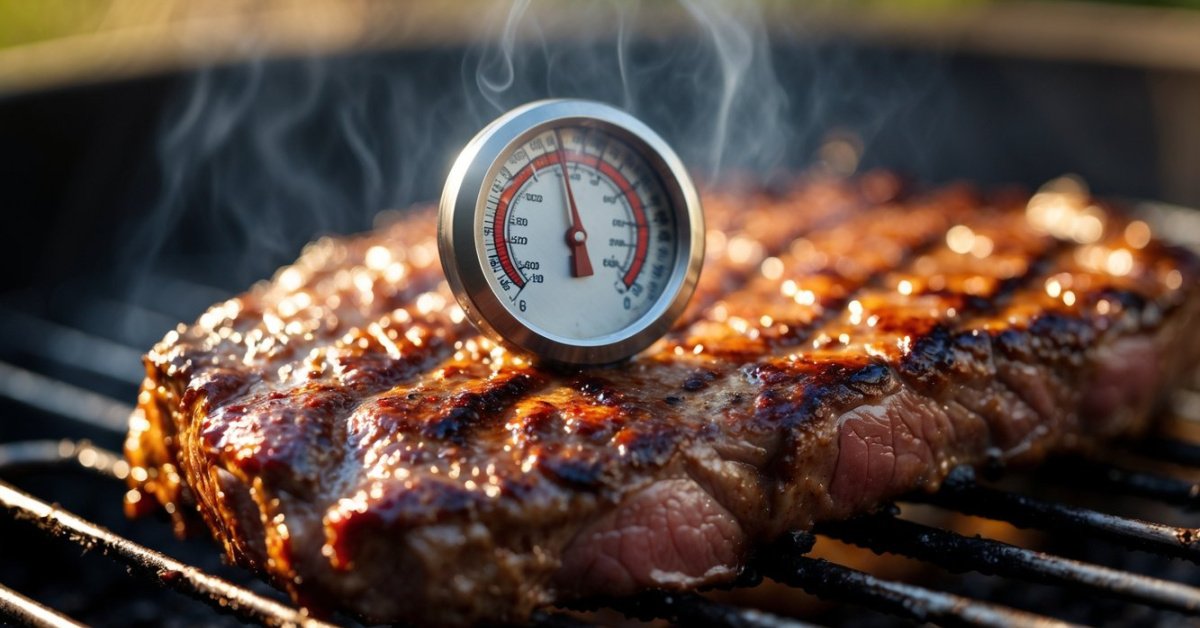
When I’m prepping for a big BBQ competition, I know that nailing the perfect temperature can make or break my chances. A reliable thermometer isn’t just a handy gadget—it’s my secret weapon for juicy brisket and tender ribs that wow the judges. With so many options out there, picking the right one can feel a bit overwhelming.
I’ve learned that not all thermometers are created equal, especially when the stakes are high. Whether I’m checking the internal temp of a slow-smoked pork shoulder or keeping an eye on grill heat, having the right tool gives me confidence and control. Let’s break down what really matters when choosing a thermometer for competitive BBQ so you can focus on what you do best—serving up mouthwatering barbecue.
Understanding the Importance of Accurate Temperature in Competitive BBQ
Exact temperatures drive consistent results in competitive BBQ. Precise monitoring controls texture in brisket, chicken, or ribs, giving the bark, smoke ring, or juiciness judges look for. Small deviations—like 10°F higher in a pork shoulder—can dry out meat and lose tenderness.
Accurate temperature reads help meet required USDA safety standards (USDA, 2023). Undercooking risks foodborne illness, while overcooking erases flavor and moisture. At nearly every sanctioned BBQ event I’ve entered, certified judges score entries based on appearance, taste, and tenderness, all of which depend on proper cooking temperature.
Real-time temperature tracking supports quick decision-making. Meat cuts—such as briskets and pork butts—vary in thickness, so I always watch both internal temps and ambient pit levels using dual-probe thermometers. Quick checks let me make adjustments on offset smokers or pellet grills, ensuring no guesswork.
Consistent temperature keeps processes repeatable round after round. Relying on an accurate thermometer, I’ve recreated award-winning ribs dozens of times—each with the same smoky snap and juicy bite. In BBQ competitions, reliable temperature measurement is a clear advantage.
Key Types of Thermometers for Competitive BBQ
Thermometer type directly affects BBQ performance. I use three main categories to cover every step from prep to plating.
Instant-Read Thermometers
Instant-read thermometers provide fast temperature checks at critical moments. I use these to confirm doneness on steaks, chicken, or brisket flat. Models like the ThermoWorks Thermapen and Lavatools Javelin give readings in 2-3 seconds with ±0.7°F accuracy. Because they’re handheld, I can quickly check different spots and avoid overcooking during turn-ins.
Leave-In Probe Thermometers
Leave-in probe thermometers continuously monitor internal temps without opening the pit. I rely on brands like ThermoPro and Maverick for overnight cooks and long brisket smokes. Having an external display gives me real-time data, so I can keep ribs or pork shoulders in the ideal zone—usually 195-203°F for pulled pork. Multiple probes let me track both food and pit temps at once.
Wireless and Bluetooth Thermometers
Wireless and Bluetooth thermometers allow remote tracking from a smartphone. I use the MEATER Plus and FireBoard 2 to watch temps while prepping sides or mingling with the crowd. These thermometers deliver instant alerts when temps stray from targets, which helps me react quickly if pit temp drops or a brisket finishes early. Some models even graph temps over time, making it easy to fine-tune future cooks.
Essential Features to Consider When Choosing a Thermometer
Choosing a thermometer for competitive BBQ requires focus on features that boost both accuracy and convenience on cook day. My BBQ background has taught me that small details in tool selection lead to bigger wins when it counts.
Accuracy and Response Time
Accuracy and response time separate winners from the rest on the competition circuit. I only consider thermometers with accuracy ratings within ±1°F when testing brisket, pork shoulder, or chicken. For spot checks, I search for instant-read models delivering stable readings in under 3 seconds—longer wait times let heat escape and create flavor loss. Reliable probe accuracy lets me judge doneness and avoid setbacks from overcooked meat.
Temperature Range and Versatility
Temperature range and versatility open up options for different meats and grilling methods. I favor thermometers covering at least 32°F to 482°F so I can track everything from cold-smoking cheese to searing steaks over high heat. Multi-probe capability helps me monitor pit temps and various meats at once, boosting efficiency during multi-meat cooks. Wide ranges also support deep frying or oven-roasting, making one tool useful beyond BBQ.
Durability and Build Quality
Durability and build quality stand up to competition rigors and frequent practice rounds. Stainless steel probes handle repeated insertions in brisket flats without bending, and water-resistant housings survive sudden grill flare-ups or rain at cook-offs. I tend to trust devices with reinforced cables, tight seal construction, and shatterproof displays since they outlast generic plastic models and save money over time.
Ease of Use and Display Readability
Ease of use and display readability make the difference when under pressure at a busy contest. I check button layouts to ensure clear set-and-forget alarms, and I lean toward displays with large, backlit digits for visibility on bright Texas mornings or night cooks. Magnetic or stand-up bases help me position displays for quick glances, so I can stay focused on tending ribs or managing the fire rather than fiddling with tools.
Top Recommendations for Competitive BBQ Thermometers
My testing covers dozens of thermometers every season; a few stand out for competition BBQ. The models below excel in accuracy, durability, and ease of use during high-stakes cooks.
- ThermoWorks Thermapen ONE
My hands-on experience with the Thermapen ONE shows consistent ±0.5°F accuracy and sub-1 second read times. Its auto-rotating backlit display works great when checking brisket temp at night. Construction feels solid enough for bangs and spills.
- FireBoard 2 Drive
FireBoard 2 Drive offers up to 6 probe inputs, cloud data logging, and Wi-Fi/Bluetooth connectivity. I’ve tracked six meats at once on a busy cook team day. Alarms and charts on my phone simplify managing racks of ribs and briskets together.
- MEATER Plus
MEATER Plus delivers totally wireless monitoring. It goes into brisket with no trailing wires and links via Bluetooth. I tracked internal temps and pit heat from 150 feet away, perfect for when I’m working sides or mingling at events.
- Maverick ET-733
Maverick ET-733 provides reliable dual-probe monitoring. I get base station reads up to 300 feet away; preset USDA meat temperature settings come in handy under time pressure.
- ThermoPro TP20
ThermoPro TP20 features two durable probes, a wide temperature range, and straightforward operation. I recommend it to teams wanting rugged performance without complex app integration.
| Model | Probes | Connectivity | Accuracy (±°F) | Response Time | Range | Notable Feature |
|---|---|---|---|---|---|---|
| Thermapen ONE | 1 | None | 0.5 | <1 second | Direct-read | Fast precision |
| FireBoard 2 Drive | 6 | WiFi/Bluetooth | 1.0 | 1-2 seconds | App/Cloud | Multi-probe, graphs |
| MEATER Plus | 1 | Bluetooth | 1.0 | 2-3 seconds | 165 feet | Truly wireless |
| Maverick ET-733 | 2 | RF | 1.5 | 3-4 seconds | 300 feet | Dual remote channels |
| ThermoPro TP20 | 2 | RF | 1.8 | 3-4 seconds | 300 feet | Simple, rugged |
Every model here fits the critical Competitive BBQ features like high accuracy, tough build, clear displays, and fast response. For brisket, pork, chicken, or ribs, these thermometers support reliable results.
Tips for Maintaining and Using Your BBQ Thermometer
- Clean Probes After Every Cook
I always wipe down probes with a food-safe disinfectant cloth or use warm, soapy water after each cook. Buildup can affect accuracy and contaminate future meats, especially with tougher cuts like brisket or pulled pork.
- Calibrate Thermometers Regularly
I check calibration once a month by placing probes in an ice bath (32°F) or boiling water (212°F at sea level). Accurate readings minimize the risk of overcooked or undercooked meats at competitions.
- Store Thermometers Safely
I keep instant-read and probe thermometers in a hard case or drawer away from heat and moisture. Probes bend, crack, or lose sensitivity if left loose on grill carts or outdoors.
- Avoid Immersing Electronics
I never submerge digital thermometers with screens or electronics. Moisture damages internal circuitry. For cleaning, I use a damp cloth on the exterior body and let it air dry.
- Replace Probe Wires Periodically
I switch out probe wires yearly if I compete often or see erratic readings. High heat and frequent flexing break down cables, especially during long overnight cooks for pork butts or beef ribs.
- Insert Probes Correctly
I insert probes into the thickest part of the meat, steering clear of bones or fat pockets. This spot gives a true reading for doneness, especially critical for chicken thighs and ribs.
- Avoid High-Temperature Exposure
I pull thermometers off the grill if searing or using direct flame. Probes and cases rated for 500°F max still degrade if exposed to flare-ups or intense heat zones.
- Use App Features for Remote Models
I configure alerts, preset doneness indicators, and cloud logging on Bluetooth or Wi-Fi models. Remote monitoring makes multi-meat cooks smoother, helping me avoid overcooking several dishes at once.
- Check Battery Level Before Cooks
I swap in fresh batteries or charge devices before long cooks. Losing power during a critical moment compromises temp control—something I avoid during events or backyard gatherings.
These habits extend thermometer life, maintain accuracy, and help anyone grill with confidence, whether prepping brisket for competition or grilling burgers on a summer weekend.
Conclusion
Choosing the right thermometer has changed the way I approach competitive BBQ. It’s not just about having a gadget—it’s about having confidence in every cook and knowing I’m set up for success.
With so many options and features out there it’s worth taking the time to find a thermometer that truly fits your style and needs. A little investment in the right tool can make a big difference when the heat is on and the judges are waiting.


