
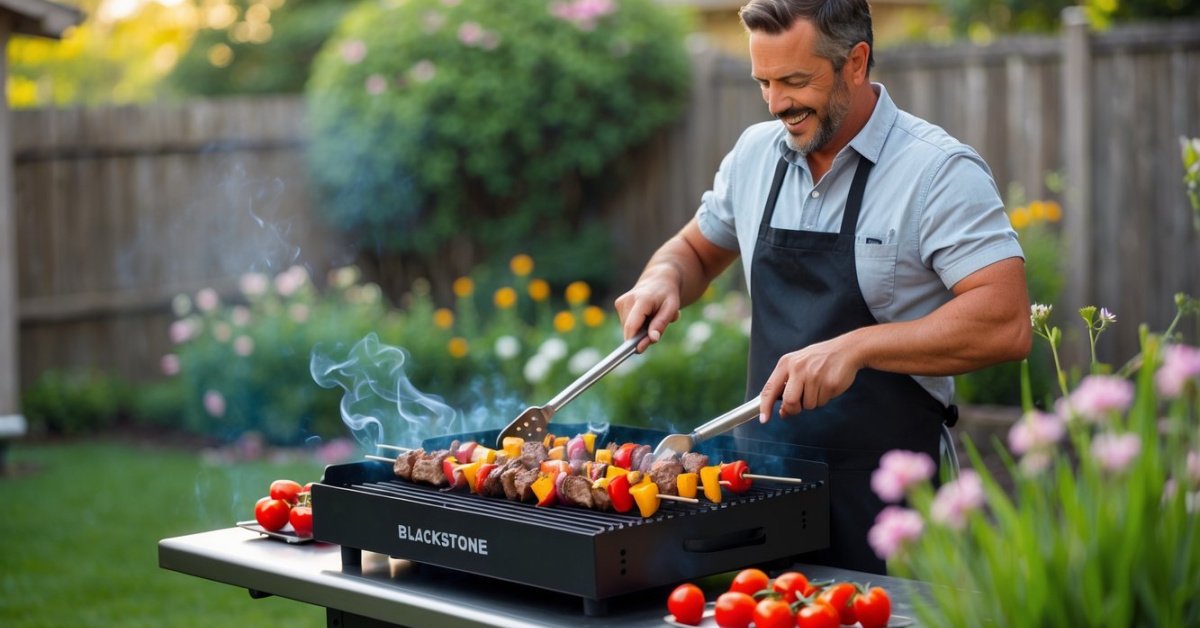
Whenever I fire up my grill, I want every meal to turn out just right. Getting that perfect sear or juicy tenderness isn’t just about timing or guesswork—it’s about knowing exactly what’s happening inside the grill. That’s where ambient temperature probes come into play.
I’ve learned that these little devices do more than just measure the heat. They give me control and confidence, helping me avoid burnt edges or undercooked centers. With an ambient temperature probe, I can focus on flavor and enjoy the grilling process, knowing I’m cooking at the right temperature every time.
Understanding Ambient Temperature Probes
Ambient temperature probes track the air temperature inside the grill, not just the heat at the grate or inside the meat. I use these probes because the temperature fluctuates by 15–40°F across different spots, especially in larger offset smokers or when grilling with indirect heat. Most digital grilling thermometers come with one ambient probe and one or more food probes. For example, the ThermoWorks Smoke includes both, letting me monitor pit temperature alongside brisket or ribs.
Proper placement of the ambient probe makes the biggest difference. I clip the probe about 2 inches above the grill grate, away from direct flames or cold air gaps. When I skip this step and rely only on the grill’s lid thermometer, the results almost always skew high or low by 25–50°F. Using a dedicated ambient probe ensures I get a real-time look at the cooking environment, so I can adjust vents or fuel to maintain ideal barbecue temps. Accurate ambient data helps me avoid dry chicken skin or unevenly cooked sausage, which even seasoned pitmasters notice.
Reliable ambient probes use heat-resistant cables, sturdy stainless steel sensors, and high-visibility displays. I favor wireless models from Meater or FireBoard, since I can roam around while tracking low-and-slow cooks or quick steaks. If the probe ever reads off by more than 10°F from a trusted reference thermometer, I recalibrate or replace it. This accuracy matters—small numbers like a steady 225°F for pork shoulder or 375°F for crispy wings decide the final taste and texture.
Ambient temperature probes turn precise heat control into repeatable, delicious barbecue results.
How Ambient Temperature Probes Work in Grilling Thermometers
Ambient temperature probes track the air temperature right where the food cooks, not just where smoke or heat gather. I rely on these probes to read the real conditions inside my grill every time I try a brisket, ribs, or even veggie kebabs.
Sensor Technology and Placement
Grilling thermometer ambient probes use thermistor or RTD sensor elements to detect small changes in air temperature. Most thermistor probes react quickly to increases or drops in heat, updating the display in seconds. I always place my probe about 2 inches above the grill grate, outside direct flame and not near cold air leaks. Probes clipped in the right spot—centered away from both edges—give the most reliable readings for cooks like pork shoulder or turkey, where surface and air temps must stay consistent. For maximum lifespan, I stick with probes rated from 32°F to above 572°F, like the ones from ThermoWorks and FireBoard.
Monitoring Cooking Environments
Ambient probes make it possible for me to track the actual cooking environment, avoiding the common mistake of watching the grill’s dome thermometer alone. These probes display real-time data, catching any fluctuations when I open the lid, add more charcoal, or adjust air vents. Wireless models let me check temps from a distance, perfect when I’m bouncing from the grill to prepping sides. For multi-zone or offset smokers, pairing two or more ambient probes helps me compare hot spots and cooler zones, fine-tuning placement for steaks, sausages, or brisket so nothing comes out overcooked or tough. With accurate ambient temperature readings, my bbq stays consistent and repeatable from one batch to the next.
Benefits of Using Ambient Temperature Probes
Ambient temperature probes give me direct feedback on the actual air temp right where my food cooks. This real-time data lets me manage the grill environment for any recipe, from slow-smoked brisket to reverse-seared steaks.
Achieving Consistent Cooking Results
Consistent results come from managing air temperature, not just heat output. My ambient probe tracks even small shifts in grill temp, so I can keep pulled pork at a steady 225°F or maintain a precise 400°F for grilled chicken. This consistency means every rack of ribs turns out as juicy as the last, no matter the outside weather or fuel type. With these probes, I can repeat my favorite Texas barbecue recipes and trust the results from one cookout to the next.
Preventing Under or Overcooking
Avoiding undercooked chicken or burnt brisket depends on knowing the actual cooking temperature inside the grill. Since my ambient probe alerts me if the temp drifts, I can spot issues right away—like sudden flare-ups or an open vent causing a temp drop. When I’m smoking multiple cuts or doing a long slow cook, this heads-up keeps turkey breast or sausage safe and perfectly cooked, not dry or pink in the middle. I catch mistakes before they happen, which saves meat and delivers better flavor every time.
Types of Ambient Temperature Probes for Grilling
Ambient temperature probes come in several varieties, with each style offering benefits for precise grilling. I’ve spent years cooking on everything from classic kettle grills to offset smokers, so I rely on different probes based on setup, recipe, and the way I need to monitor the cooking zone.
Wired vs. Wireless Probes
Wired probes transmit temperature readings through a physical cable to a display or controller. I use these when I want rock-solid connections and quick updates, especially for low-and-slow barbecue. Wired probes, like the ones from ThermoWorks and Maverick, perform best when I’m grilling for long stretches and don’t want to risk signal dropouts. Setup means threading the heat-resistant cable outside the grill and keeping the display unit out of direct heat.
Wireless probes, such as Meater or Inkbird models, transmit data via Bluetooth or Wi-Fi directly to a smartphone or receiver. These let me move freely around the yard or house without losing sight of grill temperatures. Wireless units help the most when I’m multitasking or managing several dishes at once, or when I want to check the temp from the comfort of my kitchen. Some wireless probes come with cloud connectivity, so I can monitor bonfire-style pork shoulders overnight.
Features to Consider
Sensor type matters—a thermistor sensor updates readings every few seconds and covers the temp swings I see when opening or adjusting the grill. Platinum RTD sensors offer superior accuracy, often staying within ±1°F, which I prefer for brisket or ribs.
Probe durability is critical. Stainless steel probes handle 500°F or higher and resist rust, so I stick with these for everything from searing steaks to smoking pork shoulders.
Cable and probe length play a role; longer cables (48–72 inches) let me keep the display away from hot spots, while compact probes work better on smaller grills.
Display visibility saves me time—backlit or high-contrast displays help me read temps fast in sunlight or at night.
Alarm settings are one of my favorite tools. Probes with customizable temperature alerts or high/low triggers let me react to flare-ups right away, instead of discovering a burnt rack of ribs twenty minutes later.
Here’s a quick comparison of key probe feature considerations:
| Feature | Wired Probes | Wireless Probes |
|---|---|---|
| Signal Range | 3–6 feet | Up to 165 feet (Bluetooth), unlimited (Wi-Fi/cloud) |
| Power Source | Display unit/batteries | Batteries/Rechargeable |
| Best For | Low-and-slow, stationary setup | Multitasking, remote monitoring |
| Typical Brands | ThermoWorks, Maverick | Meater, Inkbird, Weber Connect |
| Data Updates | 2–3 sec | 1–3 sec |
| Durability | Heat-resistant cable | Heatproof casing |
The right ambient temperature probe lets me dial in control and deliver perfect barbecue every time, whether I’m out in the Texas sun or testing new recipes in my backyard.
Choosing the Right Ambient Temperature Probe for Your Needs
Selecting the best ambient temperature probe for grilling depends on several factors specific to the type of cooking I’m tackling. I always consider these main features when choosing a probe for my grill sessions:
- Probe Compatibility
I check that the probe fits my thermometer or base station. Most popular grilling thermometers, like ThermoWorks Smoke X4 or MEATER Plus, use either thermistor or RTD sensor probes, but connectors sometimes differ by brand.
- Sensor Response Time
I look for ambient temperature probes with quick-reacting sensors. Thermistor probes update in under 10 seconds, while high-grade RTD probes provide almost real-time readings. Fast response lets me catch sudden temp swings common in offset smokers when adding wood or opening the lid.
- Heat Resistance & Durability
I only use probes rated for at least 575°F for indirect cooks and over 700°F when using searing zones. Stainless steel sheaths add durability, letting the probe handle long brisket smokes or short, high-heat steak finishes.
- Cable Length
I pick probes with cables at least 4 feet long for offset smokers, giving me enough room to keep the thermometer away from the direct heat and close lids without pinching wires. Wireless models skip cables entirely, which I prefer when moving between multiple smokers or grills.
- Display & Alerts
I opt for ambient probes with large, backlit displays or app integration. When I’m managing ribs or chicken at night, I appreciate clear temp numbers and programmable high-low alarms, so I catch heat fluctuations right away. Wireless probes like those from Inkbird or FireBoard send alerts to my phone, freeing me up to prep sides or sauce.
- Water Resistance
I ensure at least an IPX5 rating for my probes if I’m grilling on rainy Texas evenings or washing the probe between cooks.
- Price & Reliability
I’ve found high-end probes cost $20–$40 each; midrange options run $10–$20. The more I grill, the more I value accuracy and reliability, so I invest in trusted brands and keep a backup or two on hand.
| Feature | Typical Range/Options | Contextual Importance |
|---|---|---|
| Sensor Type | Thermistor, RTD | Fast response and higher accuracy prevent temp surprises |
| Max Temperature | 500°F–700°F | Avoids probe failure during high-temp sears or long cooks |
| Cable Length | 3–6 ft (wired), Wireless | Enables flexible placement and easy lid closure |
| Display Integration | Standalone, Mobile App, Backlit | Ensures temp visibility day or night |
| Alert Functions | Audible, Visual, App Notification | Enables proactive grill management |
| Water Resistance | IPX4–IPX7 | Withstands cleaning and wet conditions on outdoor cooks |
| Price Range | $10–$40 | Balances cost with lasting performance and accuracy |
Matching the right ambient probe to my style means I get consistent results on every brisket, rack of ribs, or steak session. If I work with multiple grill zones or cook on varied smokers, I invest in several probes for targeted readings. That level of control transformed my cooks back in my food cart days and still delivers reliable barbecue at home.
Conclusion
When it comes to grilling I never underestimate the value of an ambient temperature probe. These little tools have transformed the way I approach barbecue giving me peace of mind and helping me deliver delicious results every time.
With the right probe in place I can focus on enjoying the process knowing that my grill is running at just the right temperature. It’s a simple upgrade that makes a world of difference for anyone who loves to cook outdoors.


